LEARN and EARN!
Get your RV Technician Certification in as little as 5 weeks!
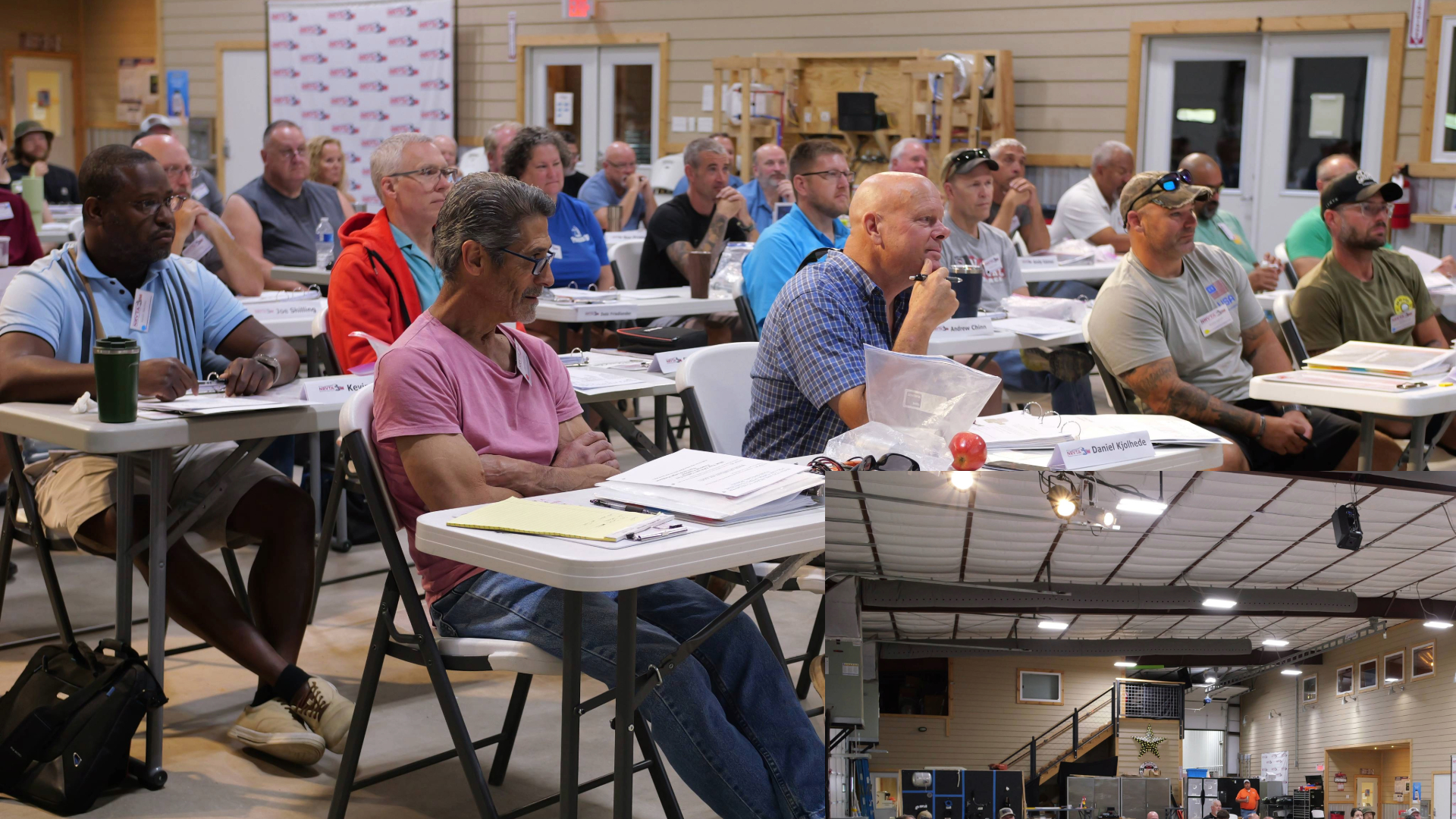
If you enjoy working on RVs, solving problems, or helping owners make informed decisions, you may have wondered how to become an RV technician or RV inspector. Although the two roles require some of the same foundational knowledge, they serve different purposes.
RV technicians diagnose, maintain and repair RV systems. RV inspectors evaluate an RV’s condition and document their findings, often for someone considering buying or selling an RV.
The National RV Training Academy provides hands-on training for both paths. Before choosing a program, it helps to understand the work, training and certification requirements associated with each role.
Is There Demand for RV Technicians and Inspectors?
With the increasing popularity of RV travel, the demand for skilled RV technicians and inspectors has never been higher. The RV Industry Association RVs contain electrical, plumbing, propane, appliance, climate-control and exterior systems that require ongoing maintenance and occasional repair. Owners may turn to trained technicians when these systems stop operating properly.
In November 2025, the RV Industry Association reported that a shortage of trained RV service technicians continues across the United States. This supports the need for qualified people who can diagnose and service RV systems, without relying on older claims about rapidly increasing RV sales.
RV inspectors serve a different need. They evaluate RV systems and components and prepare reports that help clients better understand an RV’s condition. These inspections are commonly requested before the purchase or sale of an RV.
Training and certification can provide a foundation for entering either field, but they do not guarantee employment, clients, business success or a specific income.
What Is the Difference Between an RV Technician and an RV Inspector?
An RV technician focuses primarily on maintenance, troubleshooting and repair. Depending on the technician’s training and experience, that work may involve:
- AC and DC electrical systems
- Plumbing and water systems
- Propane systems
- Refrigerators
- Air conditioners and heat pumps
- Water heaters and furnaces
- Slide-outs and leveling systems
- Exterior components
An RV inspector evaluates and documents the condition and operation of an RV. Inspectors generally do not perform repairs as part of the inspection. Their job is to conduct an independent assessment and provide the client with a detailed report based on an established scope and standards of practice.
Someone who enjoys hands-on diagnostics and repairs may prefer the technician path. Someone who enjoys detailed evaluations, documentation and helping buyers understand an RV may be better suited to inspection work.
Education Options for DIY Enthusiasts
If starting a business isn’t for you, there are still valuable education options available to help you save time and money by doing your own repairs. The National RV Training Academy offers several resources for RV owners who want to handle their own maintenance and repairs:
- RV Fundamentals: The RV Fundamentals Course provides comprehensive hands-on training for RV owners. This rv repair training covers essential maintenance tasks, troubleshooting techniques, and repair skills. By completing this course, you can gain the confidence to tackle common issues and keep your RV in top condition.
- Online Training: For those who prefer to learn at their own pace, the RV Tech Course is available online at RVTechCourse.com. This option allows you to access high-quality training materials from the comfort of your home, making it convenient and flexible.
- Workshops and Seminars: Attend workshops and seminars at RV shows and expos to learn from industry experts. These events often feature hands-on training sessions and valuable insights into RV maintenance and repair.
How to Become an RV Technician
The first step is developing a working understanding of the systems found in modern RVs. NRVTA’s RV Service Technician Training begins with RV fundamentals and can progress into more advanced hands-on troubleshooting and repair instruction.
Students learn about electrical, propane, plumbing, appliance and other RV systems. Advanced training includes hands-on work involving air conditioners, refrigerators, water heaters, furnaces, slide-outs and leveling systems.
NRVTA provides the education and exam preparation, but technician certification is administered by the RV Technician Association of America. The general process includes:
- Complete appropriate RV technician training.
- Develop hands-on troubleshooting and repair skills.
- Pass the applicable RVTAA certification testing.
- Maintain any membership or continuing requirements associated with the credential.
- Continue building skills through field experience and ongoing education.
The RVTAA certification process separates the training provided by NRVTA from the testing and professional credential issued by RVTAA.
How to Become an RV Inspector
Becoming an RV inspector requires foundational knowledge of RV systems along with specialized instruction in inspection methods, reporting and professional standards.
NRVTA’s RV Inspector Training is currently listed as a three-week, 128-hour program. It includes RV Fundamentals, Principles of an RV Inspection, Advanced RV Inspector Training and an exam-review course. Students also complete hands-on inspection work as part of the program.
The general process includes:
- Complete the required RV systems and inspection training.
- Learn how to evaluate and document RV systems and components.
- Complete hands-on inspection exercises and reports.
- Pass the NRVIA certification examinations.
- Maintain an active NRVIA membership and follow its professional standards.
The National RV Inspectors Association, rather than NRVTA, issues the inspector credential. NRVIA states that candidates must complete the required training, pass its certification exams and maintain active membership to hold the credential. NRVIA explains its current requirements here.

Get Registered Today!
Talk to a student advisor to learn more!