LEARN and EARN!
Get your RV Technician Certification in as little as 5 weeks!
Most people don’t realize how complex an RV really is until something breaks.
An RV isn’t just a vehicle. It’s a moving home. You’ve got electrical systems, plumbing, propane appliances, HVAC, roofing, and structural components all packed into one unit going down the highway. When something goes wrong, it takes more than guesswork to fix it.
That’s where RV technician training comes in.
If you’re exploring how to become an RV technician, understanding how professional training programs work can help you know what to expect and what actually matters when choosing a school.
It Starts with the Fundamentals (But Doesn’t Stay There Long)
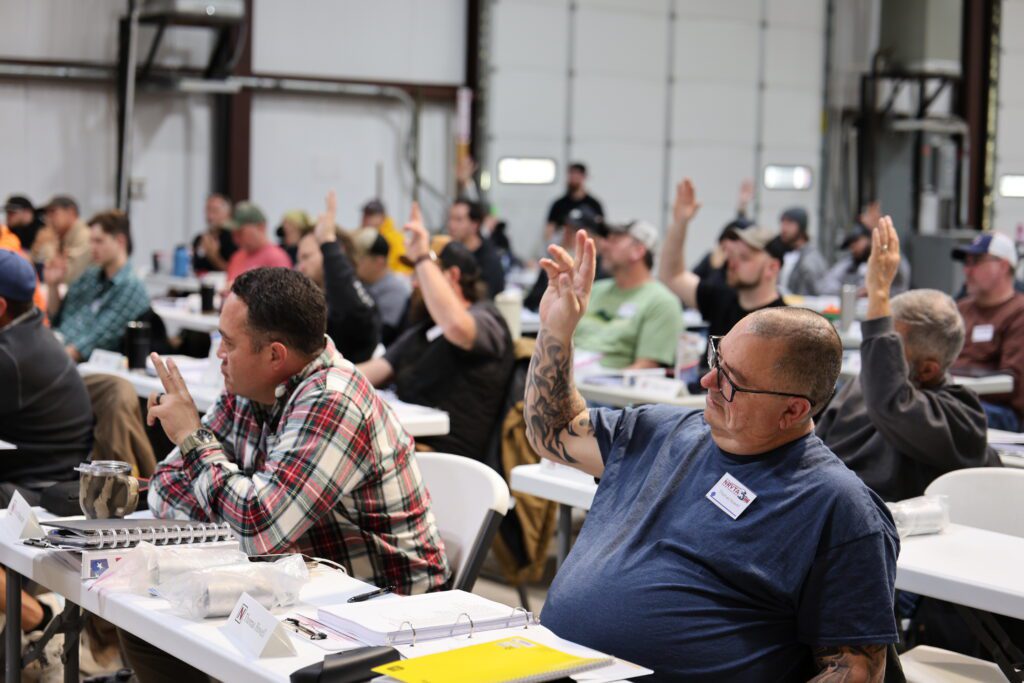
Most RV technician training programs begin with the basics. You’ll learn how RV systems are supposed to work before you ever start diagnosing problems.
That usually includes:
- Electrical fundamentals (volts, amps, circuits)
- Water systems and plumbing
- Propane systems and safety
- Heating, cooling, and appliances
- RV construction and components
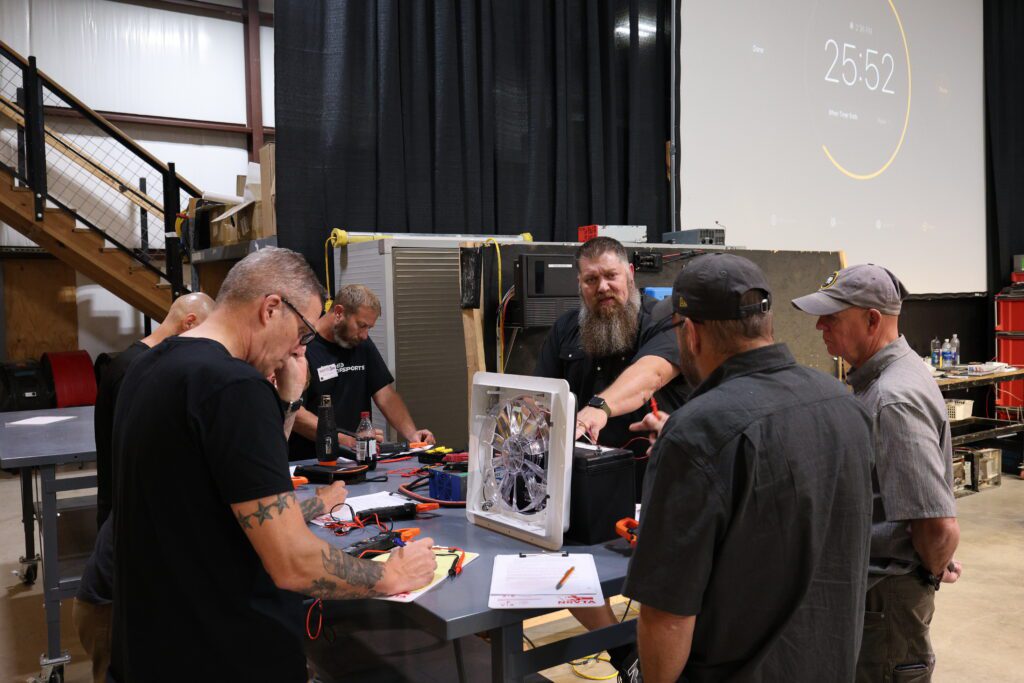
These aren’t just random topics. Every system in an RV is connected. A problem with a refrigerator, for example, could involve electrical supply, propane flow, ventilation, or airflow.
Understanding how everything works together is what separates a parts changer from a true technician.
Learning How to Think Like a Technician
Good training programs don’t just teach you what things are. They teach you how to think.
Real RV technicians follow a process:
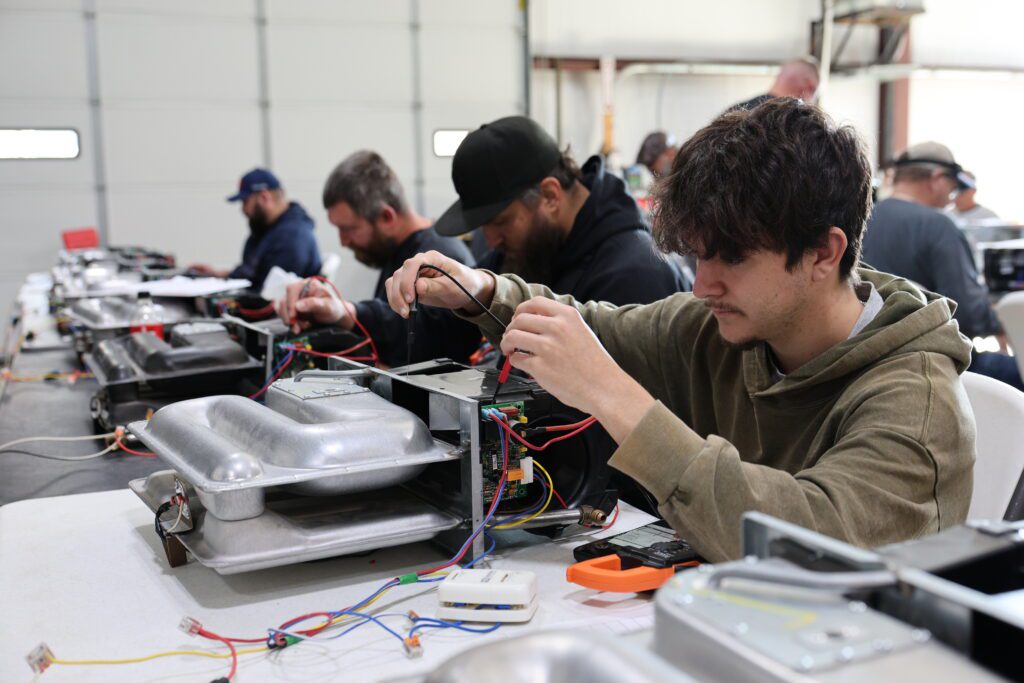
- Identify the symptom
- Test systematically
- Isolate the problem
- Confirm the fix
This diagnostic mindset is one of the most valuable skills you can learn. It helps avoid unnecessary repairs and builds confidence when you’re working on real customer units.
Why Hands-On Training Matters (This Is Where NRVTA Stands Out)
Here’s the truth, this is a hands-on trade. You can’t learn it from a textbook alone.
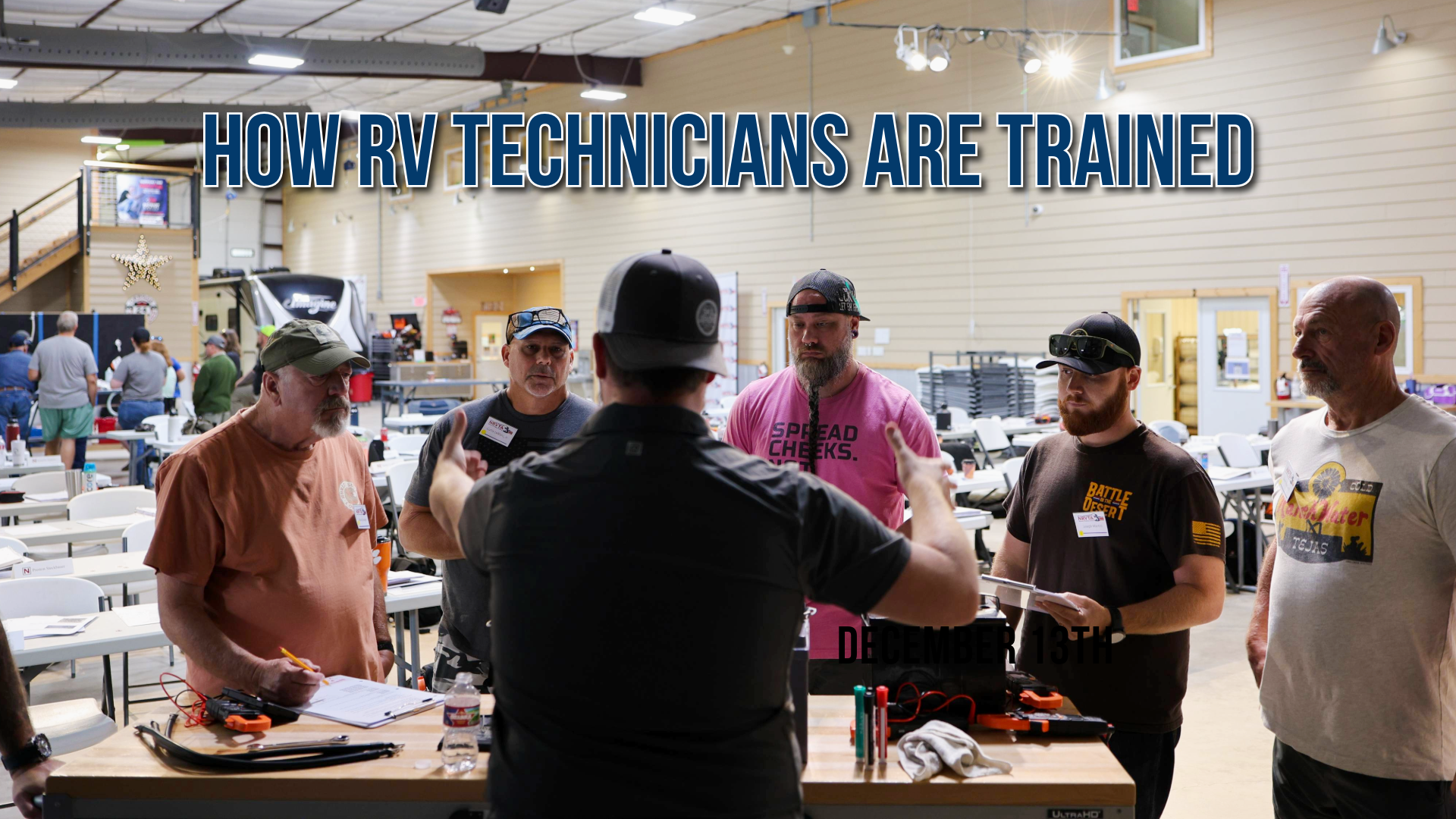
At the National RV Training Academy, training is built around actually doing the work, not just hearing about it.
Students don’t just watch demonstrations. They:
- Use real tools like multimeters
- Work on actual RV systems
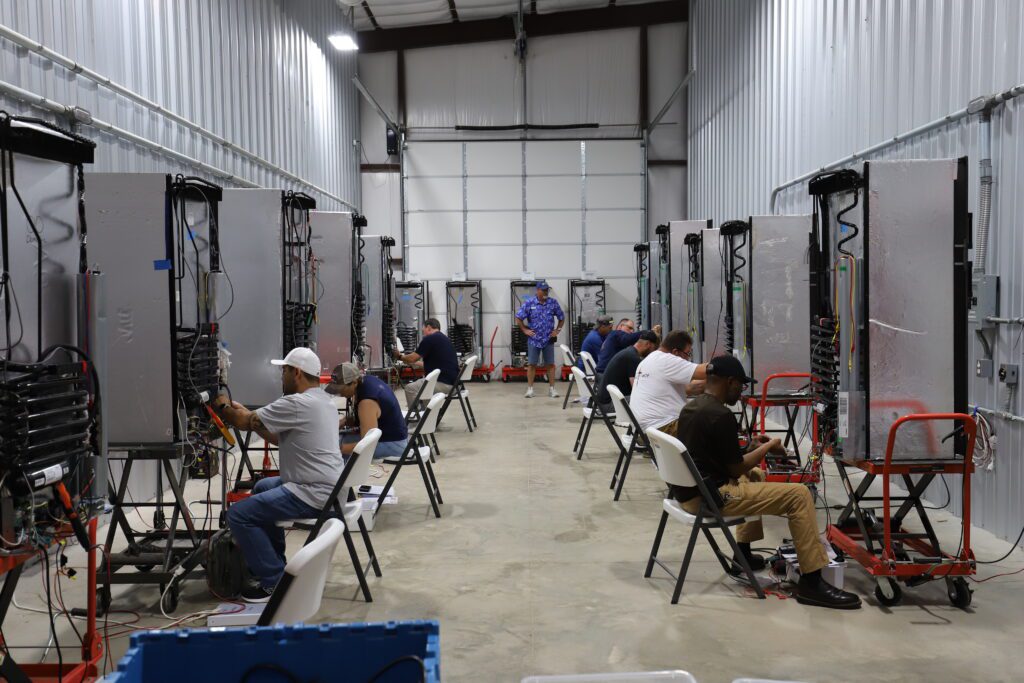
- Perform tests repeatedly until it clicks
- Practice diagnostics over and over
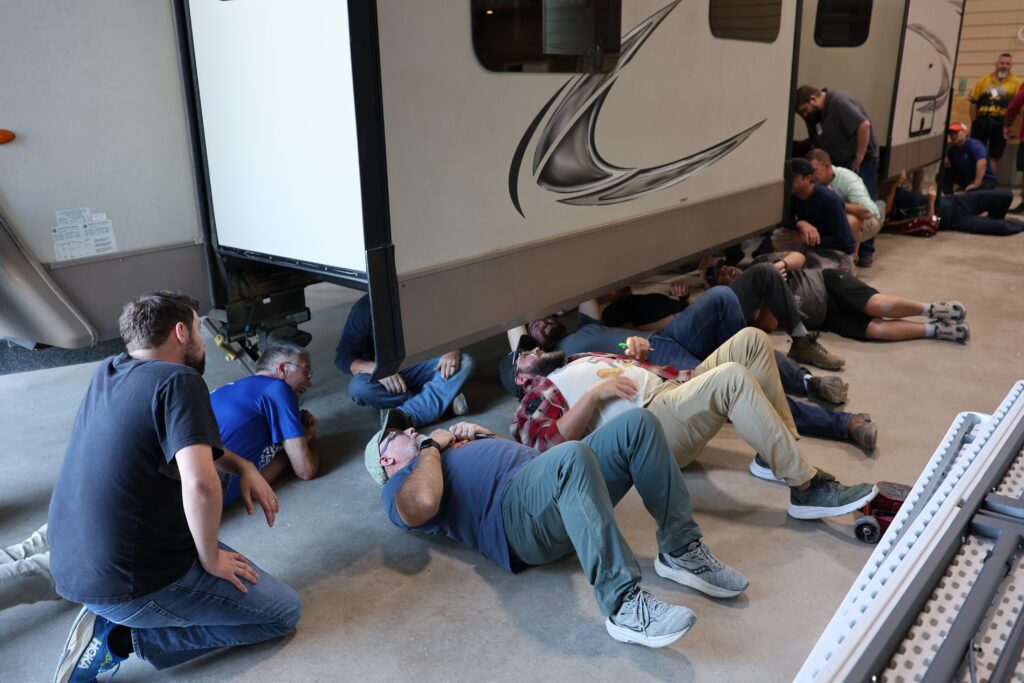
That repetition is key.
Instead of doing something once and moving on, NRVTA focuses on building muscle memory. By the time students leave, many of the testing procedures feel second nature. That’s a big difference compared to programs that lean heavily on lecture-based learning.
It’s the difference between “I think I remember this” and “I’ve done this before.”
Learning by Seeing and Doing
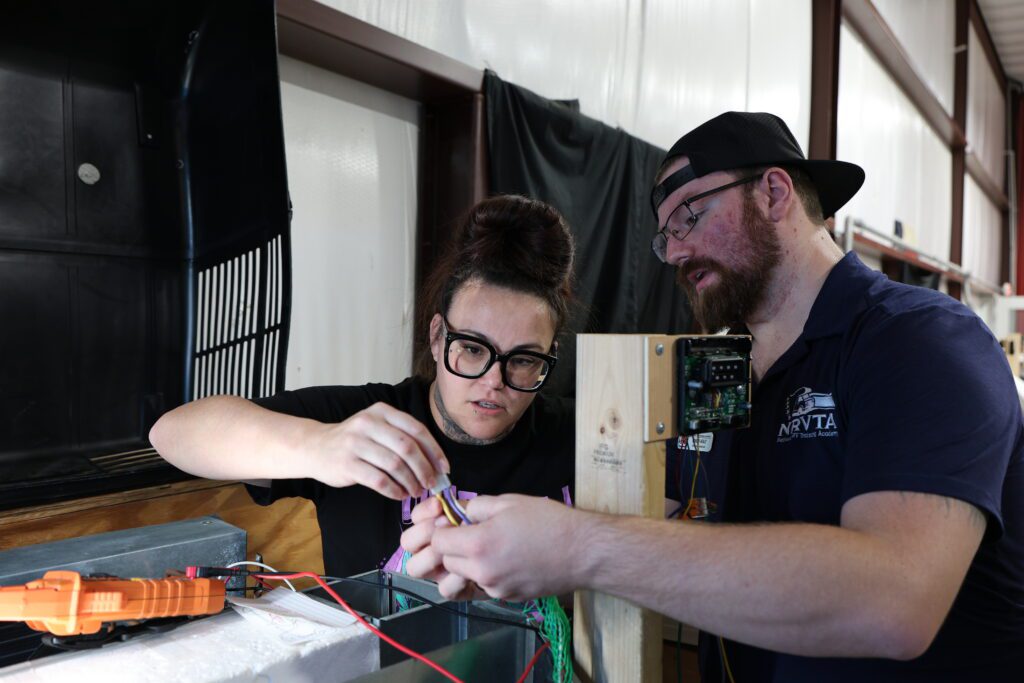
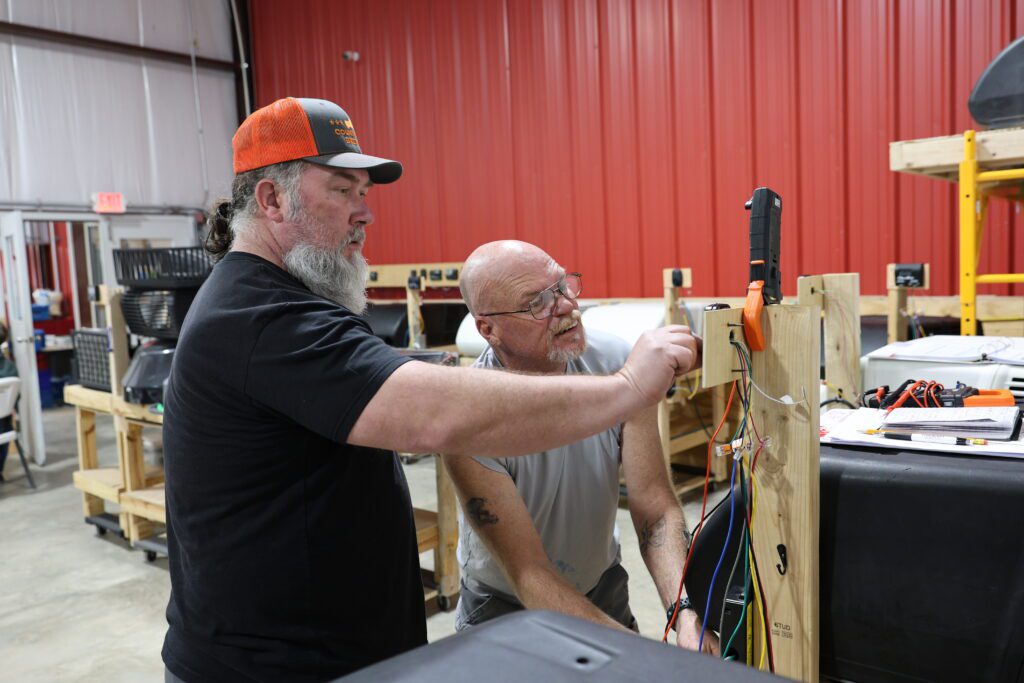
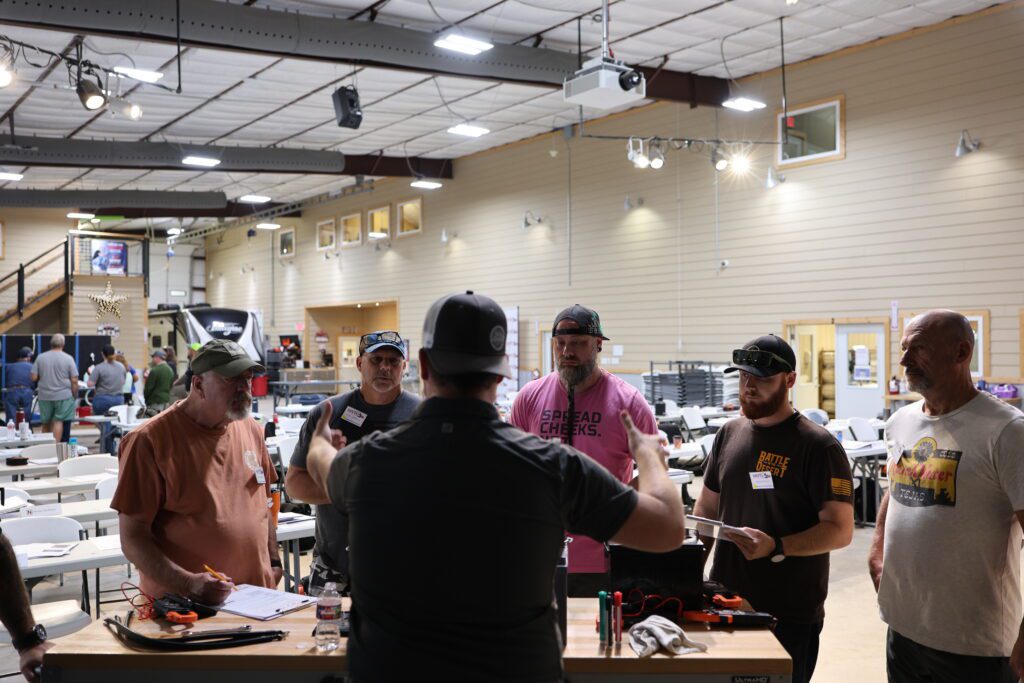
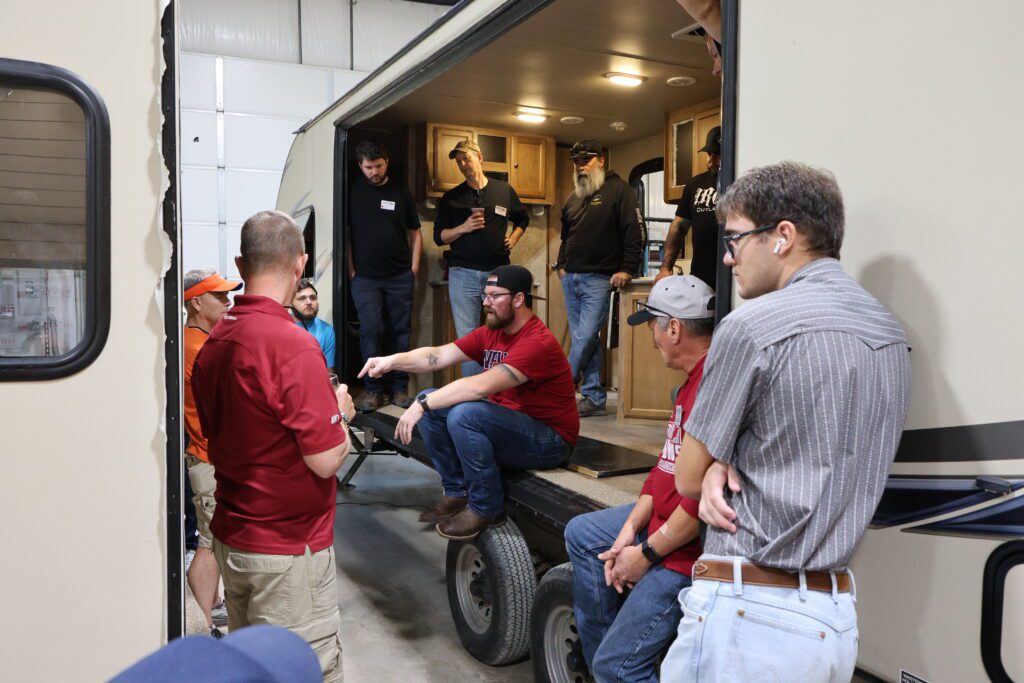
Another advantage of hands-on RV training is learning directly from experienced instructors.
Instructors don’t just explain concepts—they walk through real scenarios:
- How to approach a system step-by-step
- What to test first (and why)
- How to interpret your readings
- What common failures actually look like
Seeing that process in action—and then repeating it yourself—is where real confidence starts to build.
Safety Is a Big Part of the Job
Working on RVs involves real risks if you don’t know what you’re doing.
You’re dealing with:
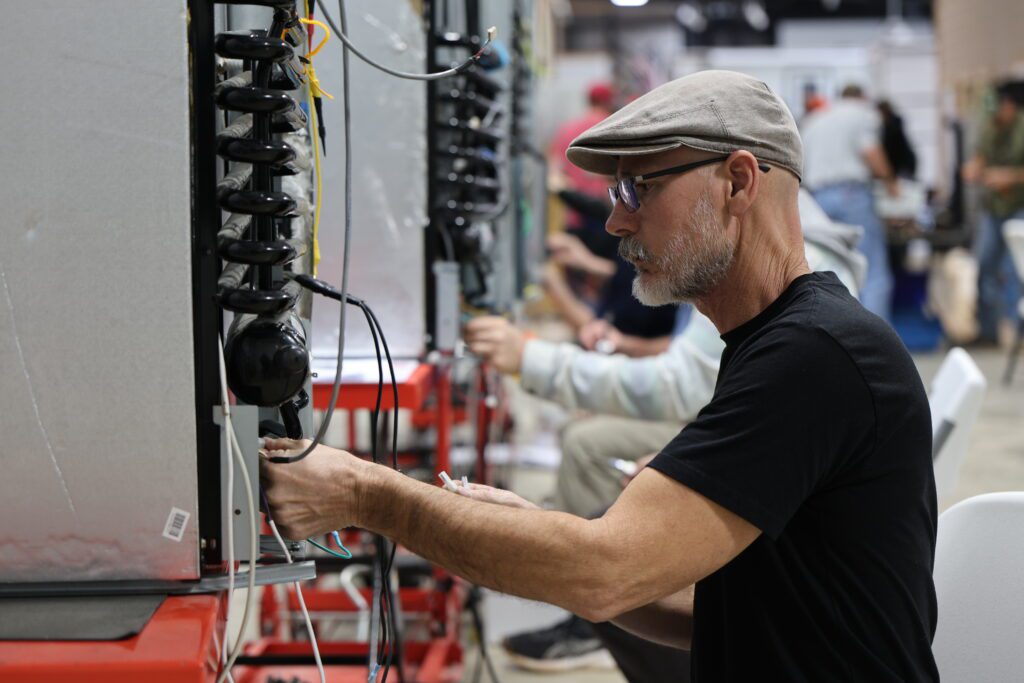
- 120V and 12V electrical systems
- Propane appliances
- Roof work and elevated surfaces
That’s why RV technician training also focuses on safety. Learning how to test systems properly, recognize hazards, and follow safe procedures is critical before working independently.
Understanding Certifications and the Industry
If you’re looking into RV technician certification, it’s important to understand how training and certification work together.
Training programs like NRVTA teach the skills. Certification is typically handled by third-party organizations like the RV Technician Association of America.
Students who want certification can pursue it after completing training by meeting the requirements set by the certifying body.
What Can You Do After Training?
RV technicians work in a variety of environments:
- Dealership service departments
- Independent repair shops
- Manufacturer support roles
- Mobile RV technician businesses
Some people choose to start their own business and work directly with RV owners. Others prefer a structured shop environment.
The path can look different depending on your goals, but the core skills you learn during training apply across the board.
This Is a Career That Keeps Evolving
RV technology isn’t standing still.
New systems, solar setups, lithium batteries, and smart controls are becoming more common. That means technicians continue learning even after training through:
- Advanced courses
- Manufacturer resources
- Hands-on experience in the field
The more you learn, the more valuable your skillset becomes.
What to Look for in an RV Technician Training Program
If you’re comparing schools, a few things really matter:
- How much hands-on training is included
- Whether you’ll work on real RV systems
- The experience level of instructors
- Opportunities to practice (not just observe)
Programs that allow you to repeat testing and build real-world experience tend to prepare students better for actual service work.
Why Training Matters
RV owners rely on trained technicians to keep their rigs safe, functional, and road-ready.
Without proper training, diagnosing issues can turn into expensive guesswork. With the right training, it becomes a structured, repeatable process.
For people who enjoy working with their hands, solving problems, and learning practical skills, RV technician training offers a clear path into a growing and needed trade.
And if you’re looking for a program that emphasizes real-world experience, repetition, and confidence-building through hands-on work, that’s where NRVTA has built its reputation.


Get Registered Today!
Talk to a student advisor to learn more!