LEARN and EARN!
Get your RV Technician Certification in as little as 5 weeks!
Everything is working fine until it isn’t.
You’re parked for the weekend. The batteries were full yesterday. The weather is clear. The panels are on the roof. Then the next morning, the coffee maker won’t run, the battery monitor looks lower than expected, and the inverter starts flashing warnings.
The first thought is usually:
“How can the solar not be working? The sun is out.”
That’s where many people discover RV solar is not just about panels.
RV solar systems can involve batteries, inverters, charge controllers, monitoring systems, wiring, circuit protection, DC electrical systems, AC electrical systems, generators, and changing power demands inside the coach. When everything works together, it feels simple. When something stops working, troubleshooting becomes the real skill.
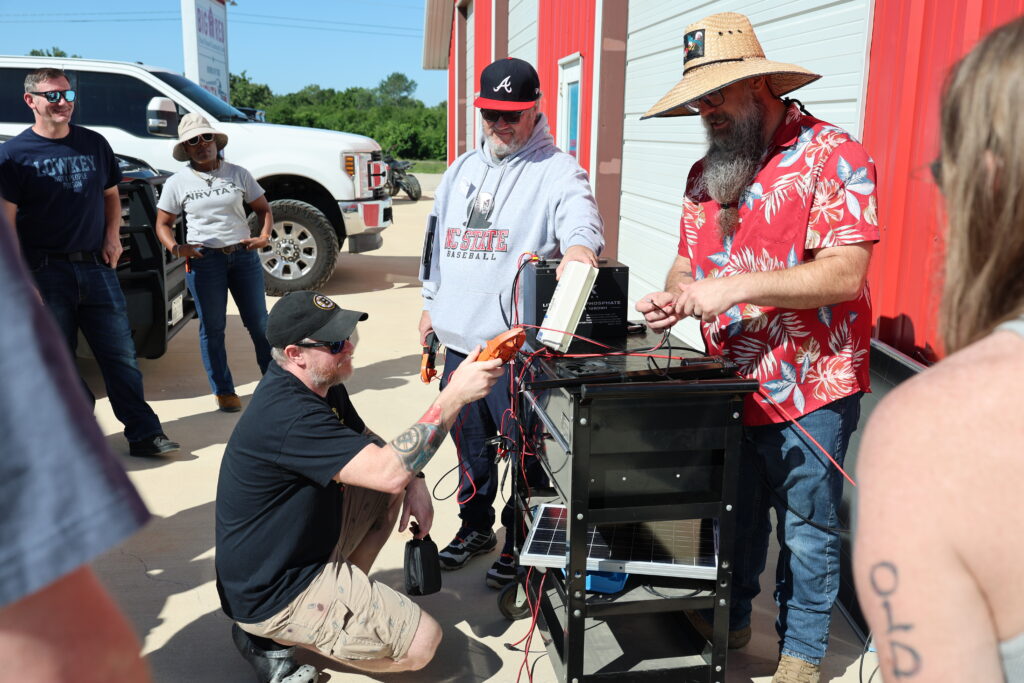
That’s why RV solar technician training matters.
What Does an RV Solar Technician Actually Do?
An RV solar technician works with the systems that generate, store, manage, and deliver power inside an RV.
That can include:
- evaluating solar panel output
- testing battery systems
- checking charge controller operation
- troubleshooting inverter issues
- reading wiring diagrams
- identifying voltage drop
- diagnosing parasitic draws
- inspecting connections, fuses, and breakers
- helping determine whether a problem is solar, battery, inverter, or load related
The important part is not just knowing what each component does.
It’s knowing how the whole system behaves when one piece is not doing its job.
Most RV Solar Problems Don’t Start Where People Think They Do
People often assume the solar panel is the problem because it is the most visible part of the system.
But the issue may be somewhere else entirely.
It could be:
- a loose battery connection
- incorrect charge controller settings
- weak or aging batteries
- a blown fuse or open breaker
- an inverter fault
- unexpected electrical load
- wiring damage
- a battery management system issue
One thing technicians commonly learn is that the symptom and the cause are not always the same thing.
“My solar stopped working” may actually mean:
- the batteries are not accepting charge
- the controller is not configured correctly
- the inverter is shutting down under load
- the panels are producing power but it is not reaching the battery bank
- another device is draining the system faster than expected
That is why good troubleshooting matters.
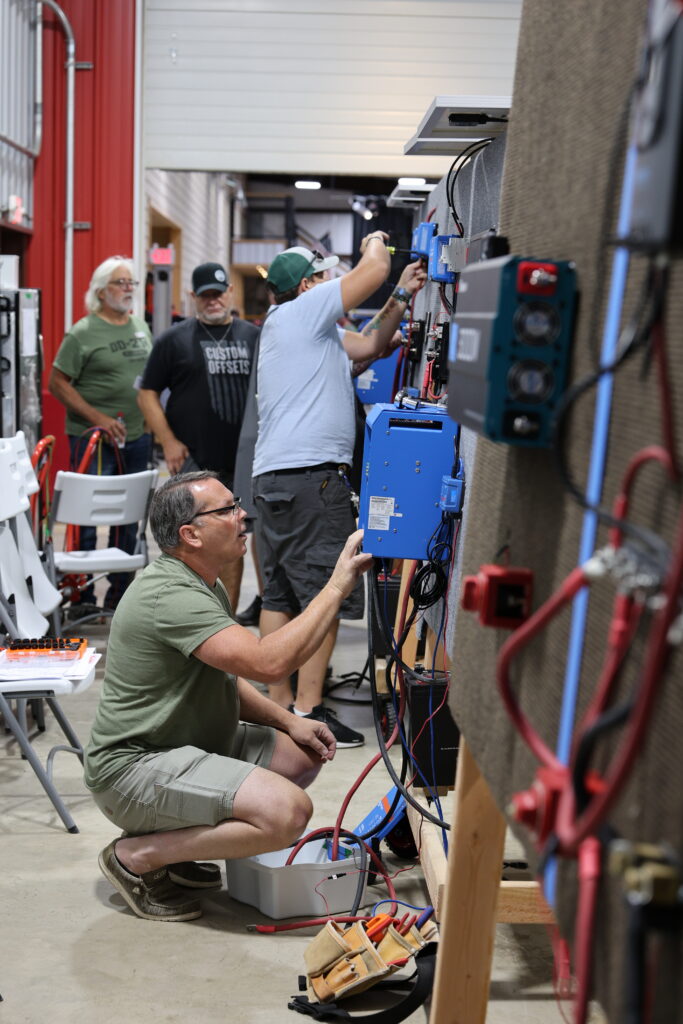
Instructor Observation: Solar Is Often the Easy Part to See, Not the Easy Part to Diagnose
People sometimes enter RV solar training thinking the work is mostly about mounting panels and connecting equipment.
Then they start diagnosing systems and realize the harder question is often:
“Why did this system stop working?”
Two RVs can show almost identical symptoms and have completely different causes. One may have a battery issue. Another may have a wiring problem. Another may have an inverter fault. Another may simply have more power demand than the system can support.
That’s where process matters more than guessing.
What RV Solar Technician Training Can Include
RV solar technician training should help students build both system knowledge and diagnostic habits.
Common training areas may include:
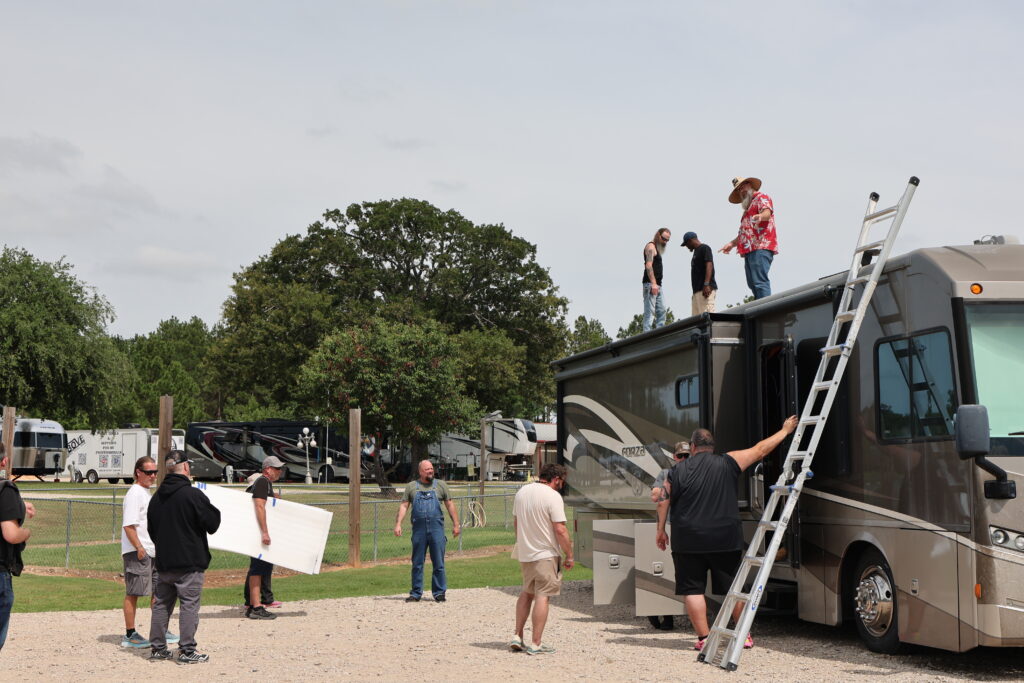
- DC electrical systems
- AC electrical systems
- battery operation
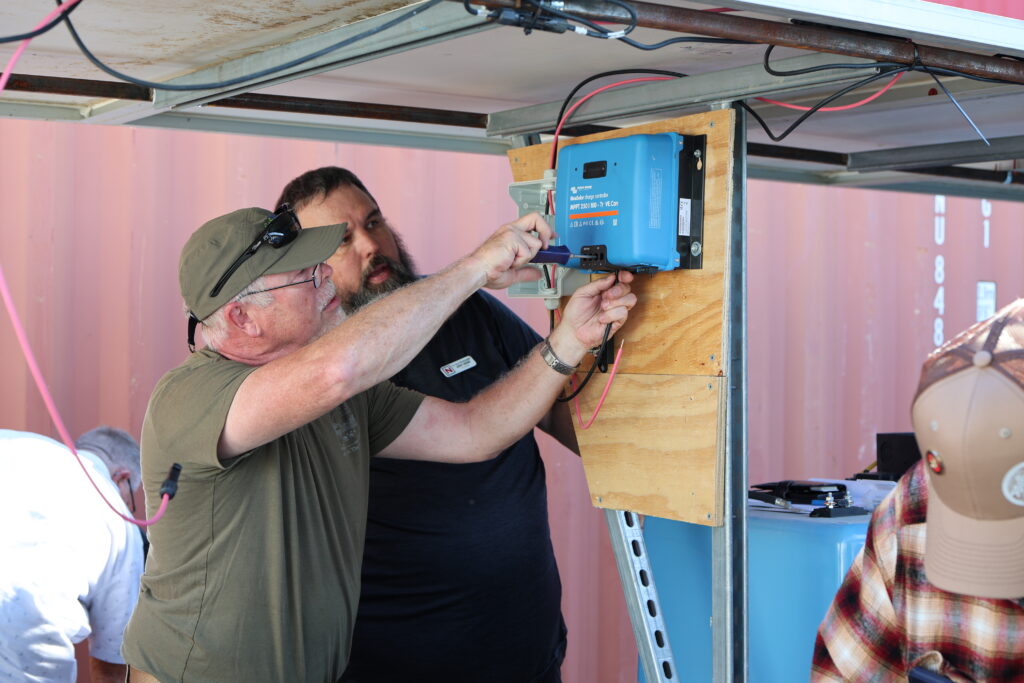
- charge controllers
- solar panel output testing
- wiring diagrams
- multimeter use
- system installation concepts
- maintenance procedures
- troubleshooting methods
NRVTA’s RV solar coursework includes instruction focused on assessment, diagnostic, and troubleshooting skills related to solar power as it applies to RV operations. The catalog describes solar coursework where students learn how to select, install, operate, maintain, and isolate problems within RV solar systems.
The catalog also identifies solar coursework as including both lecture and lab hours, which supports practical application rather than lecture-only instruction.
How Do You Become an RV Solar Technician?
There is not one single path for everyone.
Some people begin as RV owners who want to understand their own systems. Some already work around RVs and want to expand their skills. Others are exploring RV service work and want solar knowledge as part of a broader technical foundation.
A practical path usually looks like this.
1. Build electrical fundamentals
RV solar troubleshooting depends heavily on understanding electrical behavior.
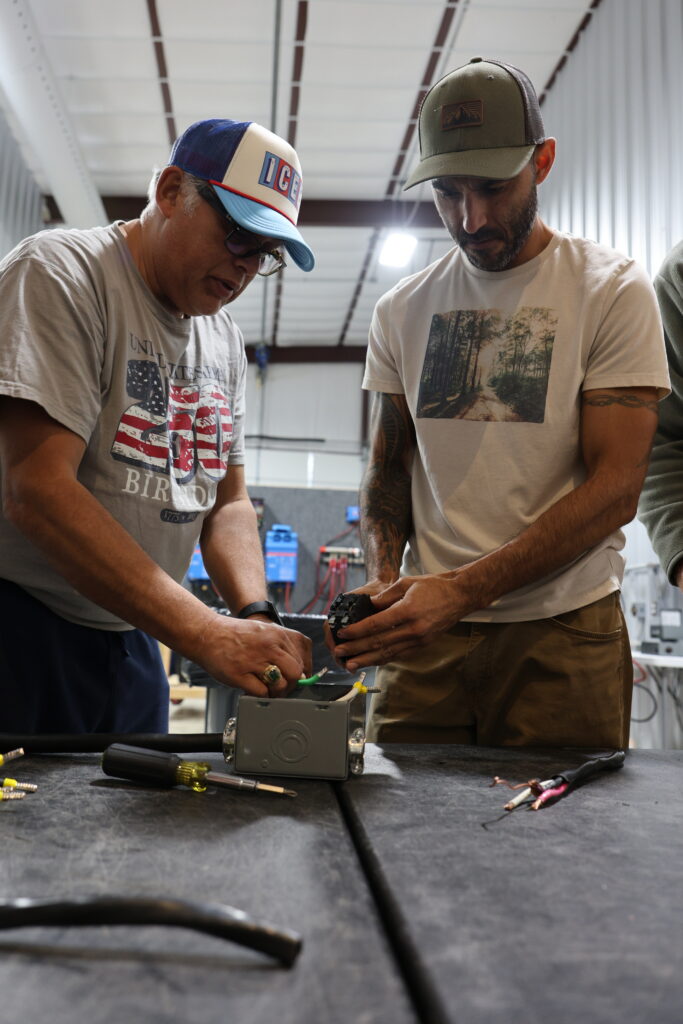
Important fundamentals include:
- voltage
- current
- resistance
- circuit protection
- wiring diagrams
- battery charging
- DC power
- AC power
This foundation helps reduce guessing.
2. Learn how RV systems interact
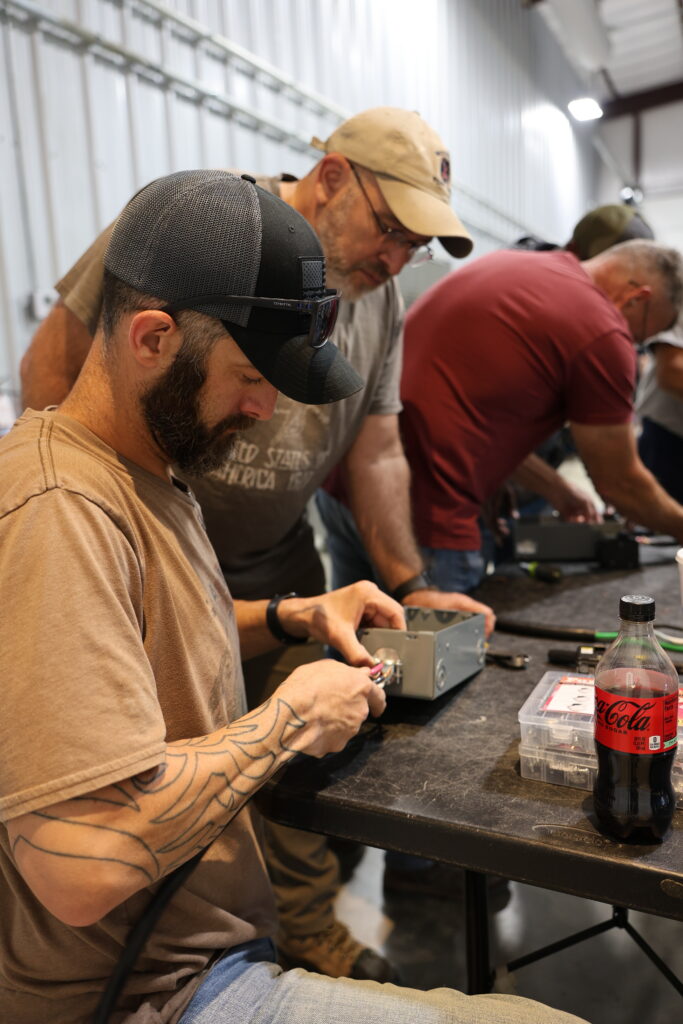
Solar does not operate in isolation.
It interacts with:
- inverters
- converters
- generators
- monitoring systems
- appliances
- shore power systems
- energy management systems
A problem that looks like a solar issue may begin somewhere else.
3. Practice diagnostic thinking
Troubleshooting requires asking better questions.
For example:
- Is power reaching the charge controller?
- Are batteries accepting charge?
- Is voltage dropping under load?
- Is the inverter faulting?
- Is there a parasitic draw?
- Is the system sized appropriately for the demand?
This is where hands-on practice becomes valuable.
4. Understand certification pathways
Training and certification are separate.
NRVTA provides training. Industry certifications may be administered by outside organizations. The catalog states that the RVTAA Certified Solar Technician exam establishes proficiency in solar installation and troubleshooting knowledge areas.
Marketing language should not say that NRVTA “certifies” solar technicians. A safer phrase is:
NRVTA provides RV solar training designed to help students build practical skills and prepare for applicable industry credentialing pathways.
RV Solar vs. Residential Solar: Why RV Systems Are Different
RV solar and residential solar share some basic concepts, but the working environment is different.
Residential systems are usually fixed.
RV systems move.
That means RV solar technicians may need to account for:
- vibration
- road movement
- changing weather conditions
- limited roof space
- mixed power sources
- battery storage
- changing appliance loads
- generator integration
- shore power interaction
- compact wiring layouts
An RV system can behave differently from one campsite to the next depending on sunlight, load, battery condition, and how the owner uses power.
Five Things That Cause RV Solar Problems More Often Than People Expect
1. Loose or poor connections
RVs move. Connections can loosen over time. A small connection issue can create a large performance problem.
2. Incorrect charge controller settings
A controller must be appropriate for the battery type and system configuration. Incorrect settings can affect charging performance.
3. Weak batteries
A battery may show voltage but still fail under load. That can make the solar system look like the problem when the battery bank is actually the weak point.
4. Unexpected parasitic loads
Small electrical draws can add up. Owners may think the system is not charging when power is actually being consumed faster than expected.
5. Inverter issues
An inverter fault can make the RV feel like it has a solar problem, even when solar production is not the root issue.
What Skills Matter Most for RV Solar Technicians?
| Skill | Why It Matters |
| Electrical fundamentals | Helps identify how power should move through the system |
| Multimeter use | Supports accurate testing instead of guessing |
| Battery knowledge | Helps evaluate charge, condition, and performance |
| Wiring diagram reading | Makes troubleshooting more systematic |
| Inverter diagnostics | Helps identify AC power problems |
| Charge controller knowledge | Supports solar charging diagnosis |
| Communication | Helps explain technical issues clearly |
| Safety awareness | Supports safer work around electrical systems |
The best technicians are not just parts replacers.
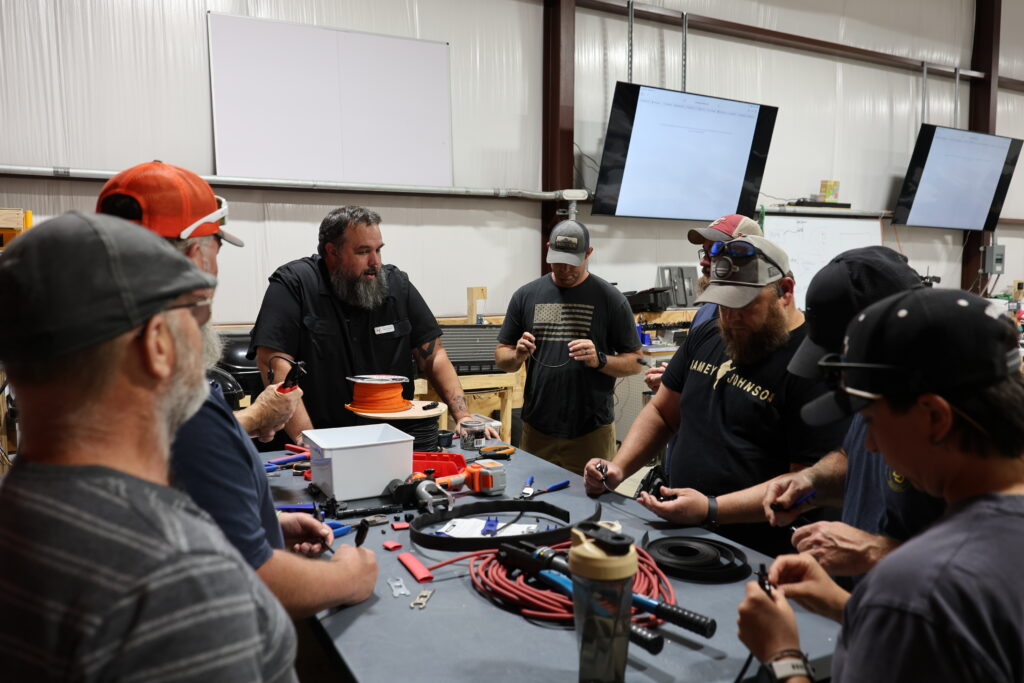
They are problem solvers.
Tools RV Solar Technicians Commonly Use
Tools vary by system and situation, but common examples include:
- digital multimeter
- clamp meter
- hand tools
- battery testing equipment
- wiring diagrams
- diagnostic equipment
- torque tools
- personal protective equipment where appropriate
Tool knowledge matters, but knowing when and where to test is often more important.
Is RV Solar Training Only for Technicians?
No.
People may pursue RV solar training for several reasons:
- to support RV service work
- to expand existing technician skills
- to better understand personal RV systems
- to support mobile RV repair goals
- to improve troubleshooting confidence
- to understand batteries, inverters, and charging systems more clearly
Training does not guarantee employment, business success, or income. Outcomes depend on individual experience, market conditions, business development, and other factors.
Training and Certification Are Different
This point is important.
NRVTA provides training programs.
NRVTA does not issue RV technician or RV solar technician certifications.
Industry certifications are administered by separate organizations. For solar, the RVTAA Certified Solar Technician exam is described in the catalog as evaluating solar installation and troubleshooting knowledge areas.
Frequently Asked Questions About RV Solar Technician Training
Do I need previous electrical experience?
Not always. People enter training from different backgrounds. Electrical fundamentals are often part of the learning path.
Is RV solar harder than regular RV repair?
It depends on the system and the problem. Many RV solar issues involve electrical troubleshooting, batteries, inverters, and charging systems working together.
Is RV solar different from residential solar?
Yes. RV solar systems operate in mobile environments and often integrate batteries, inverters, generators, shore power, and changing loads.
What does an RV solar technician need to understand?
Common areas include DC electrical systems, AC electrical systems, batteries, charge controllers, inverters, wiring diagrams, diagnostic tools, and troubleshooting processes.
Does NRVTA certify RV solar technicians?
No. NRVTA provides training. Industry certifications may be administered by outside organizations such as RVTAA.
Can RV owners benefit from solar training?
Yes. Some people pursue training to better understand their own RV systems, while others use training to build or expand technical skills.


Get Registered Today!
Talk to a student advisor to learn more!