LEARN and EARN!
Get your RV Technician Certification in as little as 5 weeks!
Buying an RV can be exciting until expensive problems start showing up after the sale.
Water intrusion, electrical issues, appliance failures, roof damage, and hidden wear can all turn a major purchase into a stressful experience. That’s one reason RV inspections have become increasingly important over the last several years, especially as more people enter the RV lifestyle without much experience working on RV systems.
At the same time, interest in RV inspection training has grown among people looking to better understand RVs, develop technical skills, or explore a new professional direction within the RV industry.
But what does RV inspection training actually involve? What do students learn? And what should someone look for in a training program?
Let’s take a practical look at how RV inspection training works and why hands-on education matters.
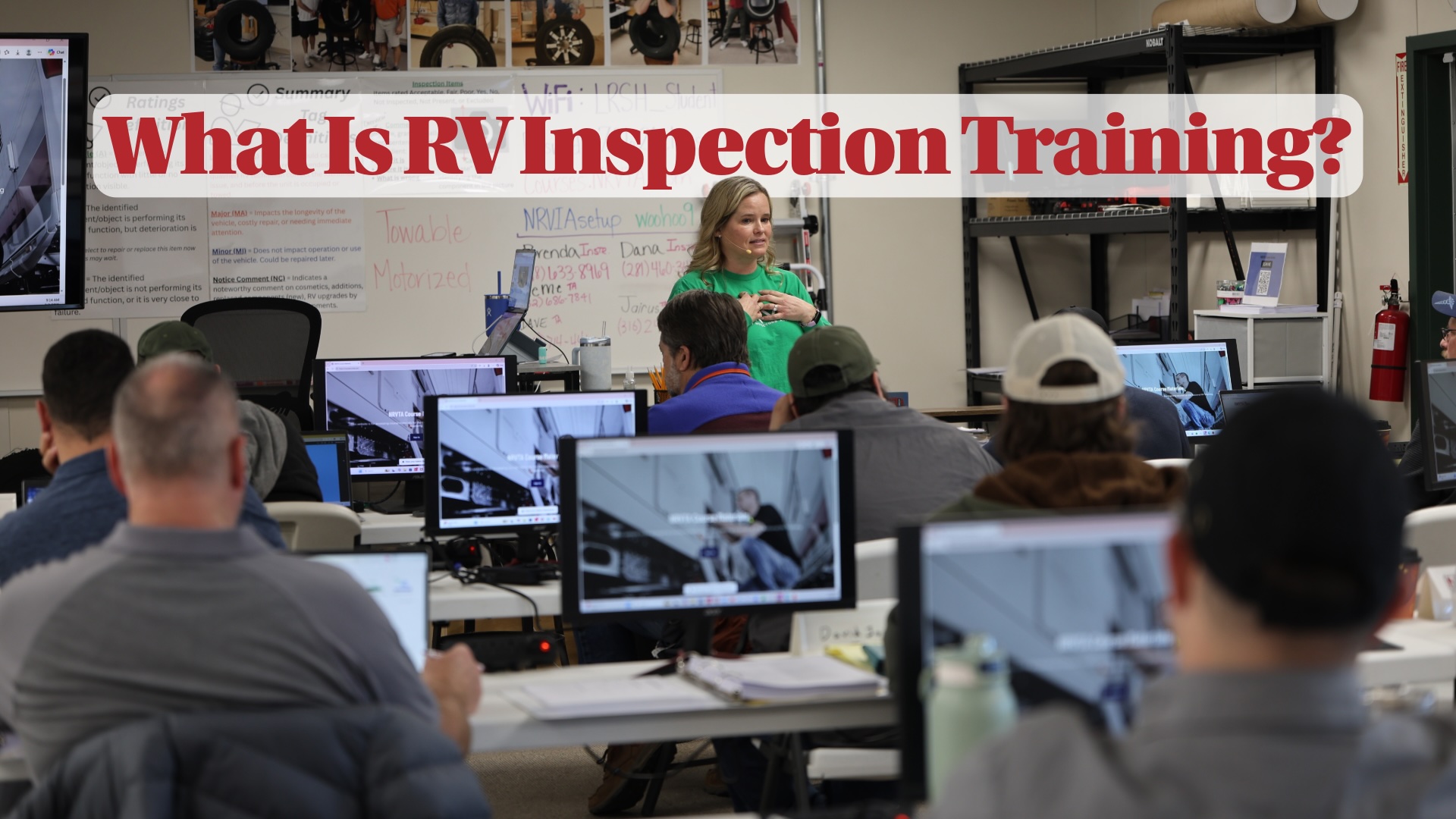
What Is RV Inspection Training?
RV inspection training teaches students how to evaluate the condition and operation of recreational vehicle systems and components.
A comprehensive RV inspection course may include training on:
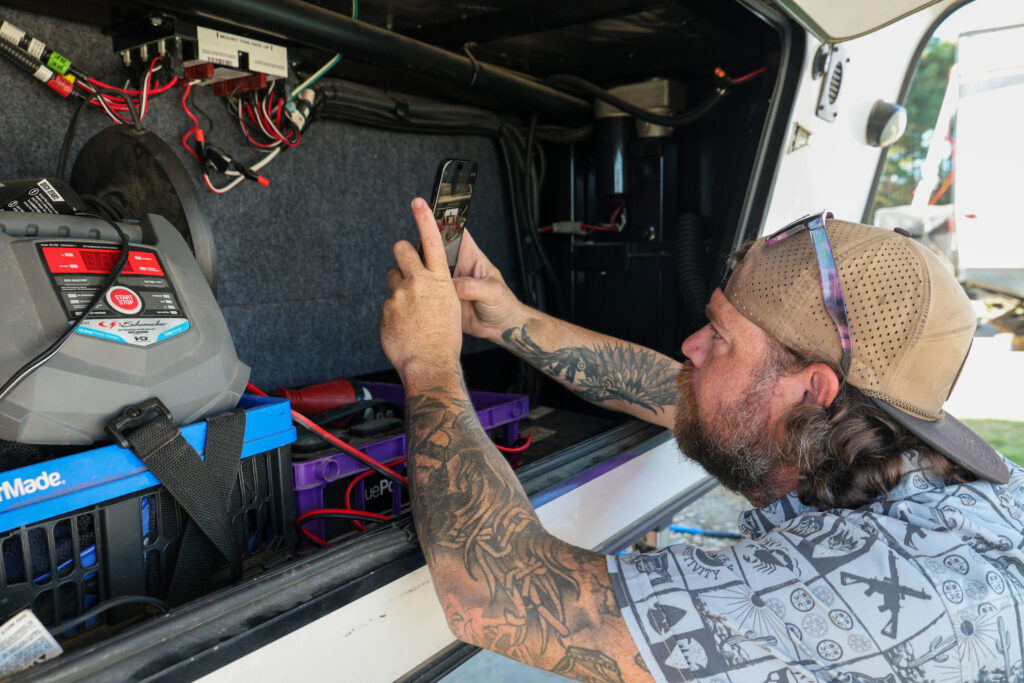
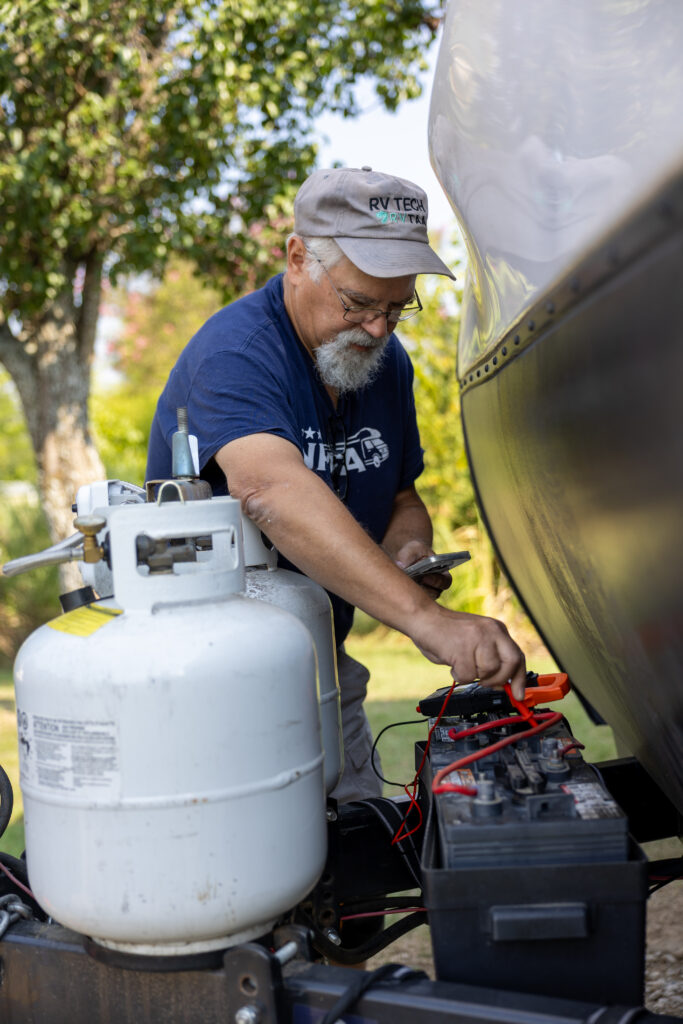
- RV electrical systems
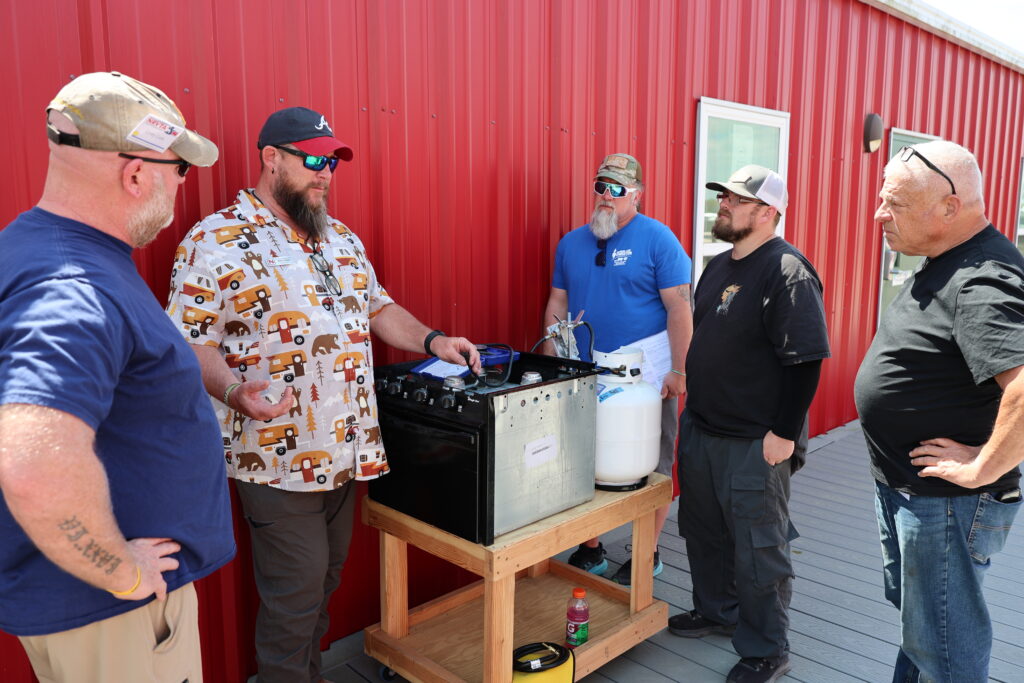
- Propane systems
- Plumbing systems
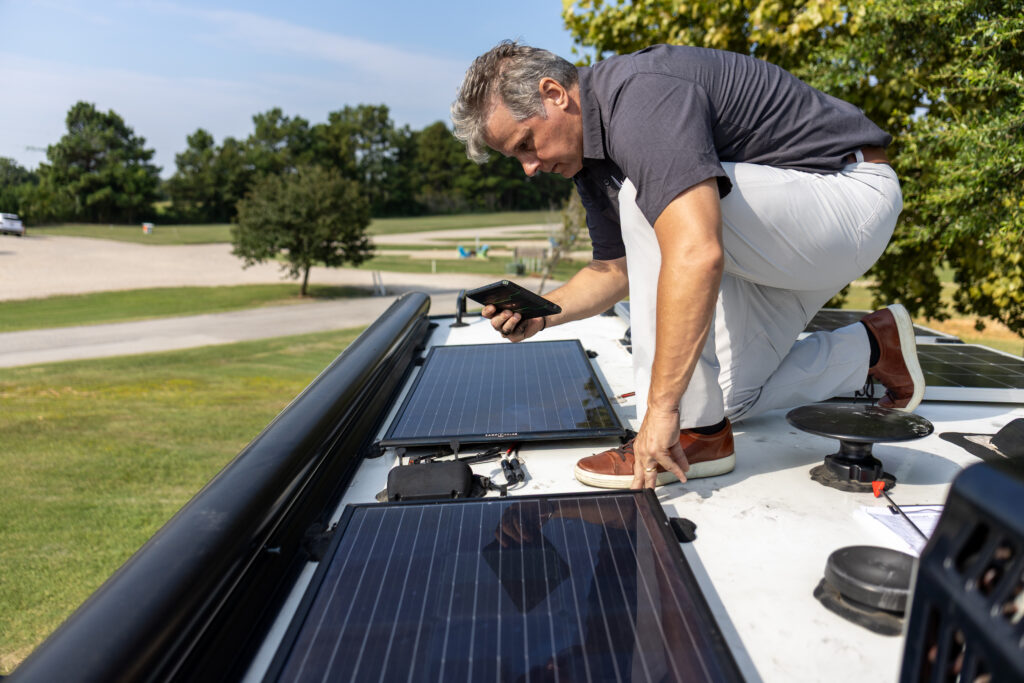
- Roof and exterior inspections
- Water intrusion awareness
- HVAC systems
- Appliances and refrigerators
- Slide-outs and leveling systems
- Inspection procedures and documentation
The goal is to help students develop a working understanding of how RV systems operate and how inspectors evaluate visible conditions during an inspection process.
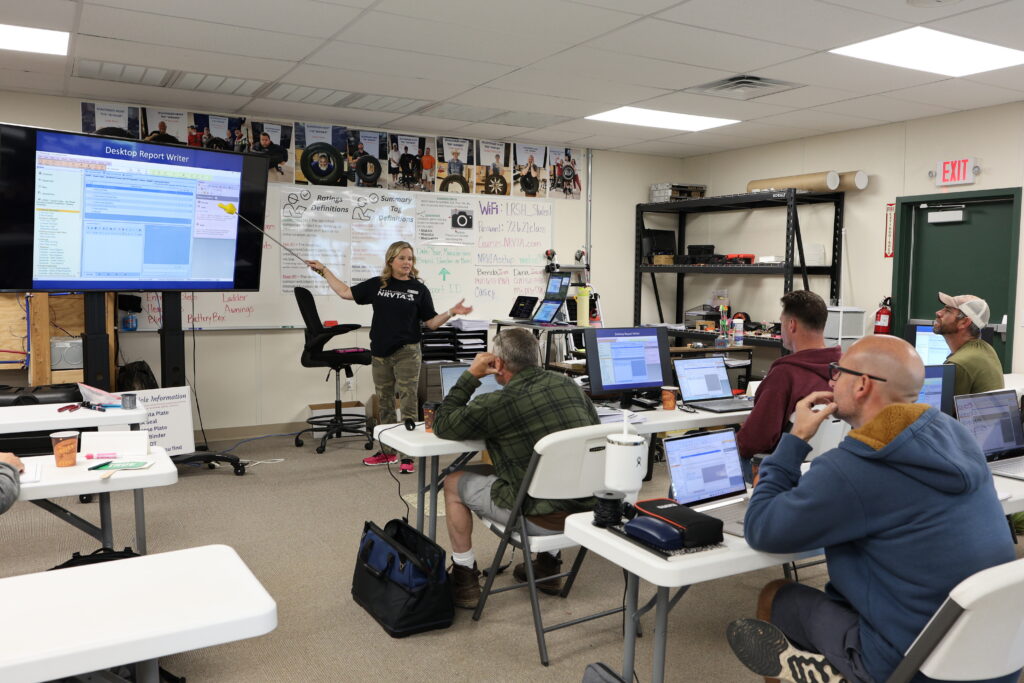
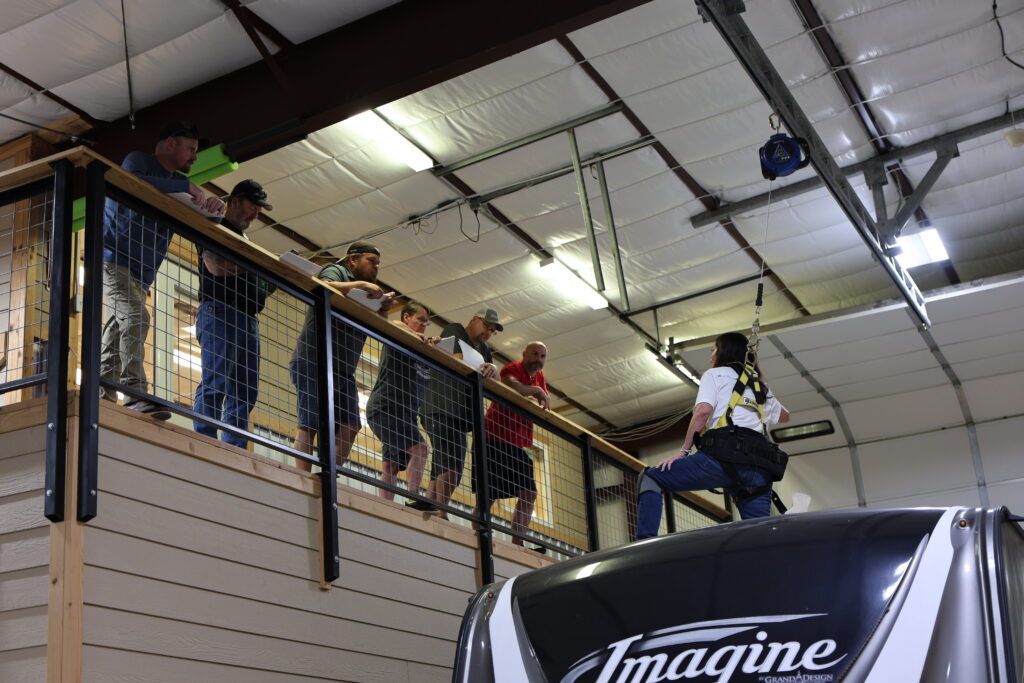
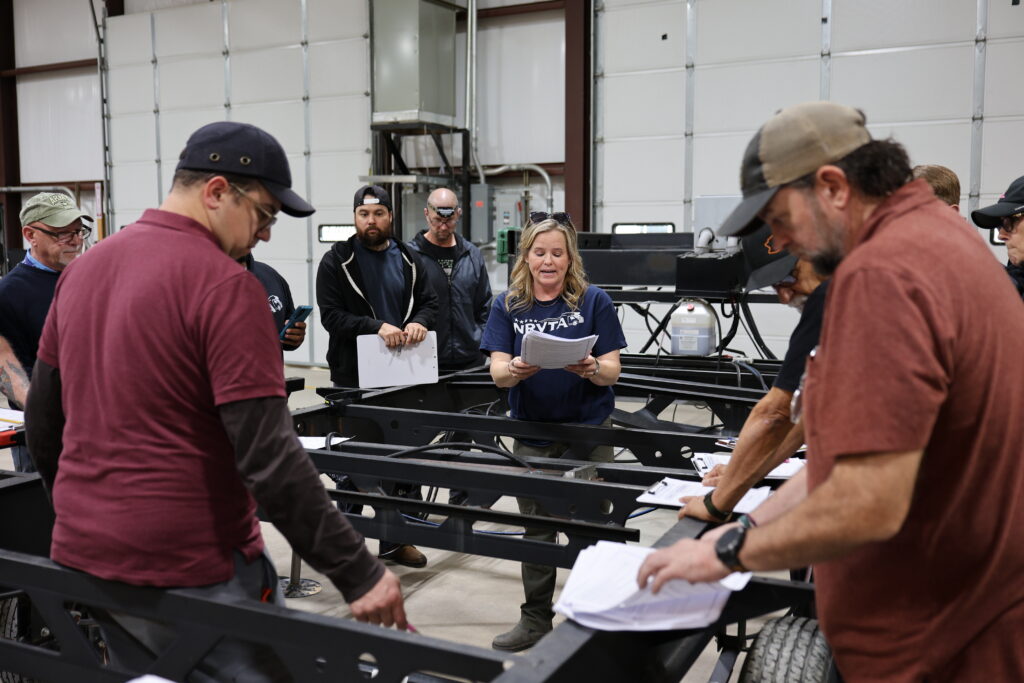
Unlike traditional classroom-only education, many RV inspection programs include hands-on instruction using real RV equipment and live systems.
Why RV Inspections Matter
Anyone who has spent time around RVs knows they’re a combination of several different systems packed into a moving vehicle.
An RV may include:
- Residential-style appliances
- Plumbing systems
- 12-volt and 120-volt electrical systems
- Propane systems
- Roofing materials
- HVAC equipment
- Suspension and exterior components
Over time, wear, vibration, moisture, weather exposure, and inconsistent maintenance can affect these systems in different ways.
That’s one reason many RV buyers choose to have an inspection performed before purchasing a coach or trailer — particularly on used RVs.
An inspection can help identify visible concerns and provide buyers with additional information about the RV’s overall condition at the time of the inspection.
What Does an RV Inspector Actually Do?
An RV inspector evaluates and documents the condition of an RV’s accessible systems and components.
Depending on the inspection process, this may include:
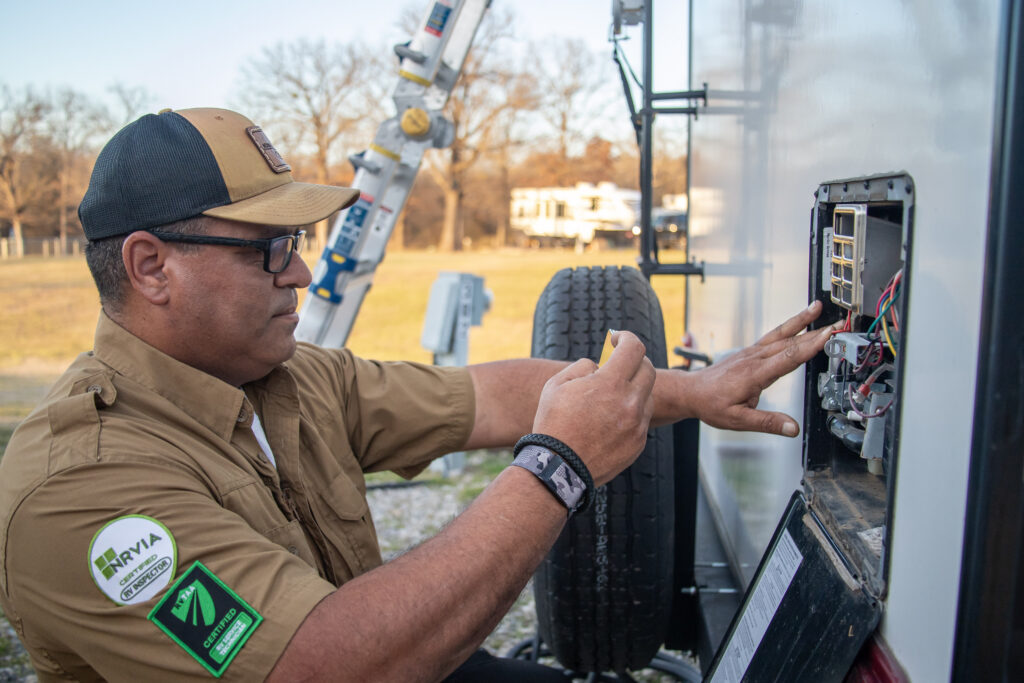
- Testing electrical systems
- Operating appliances
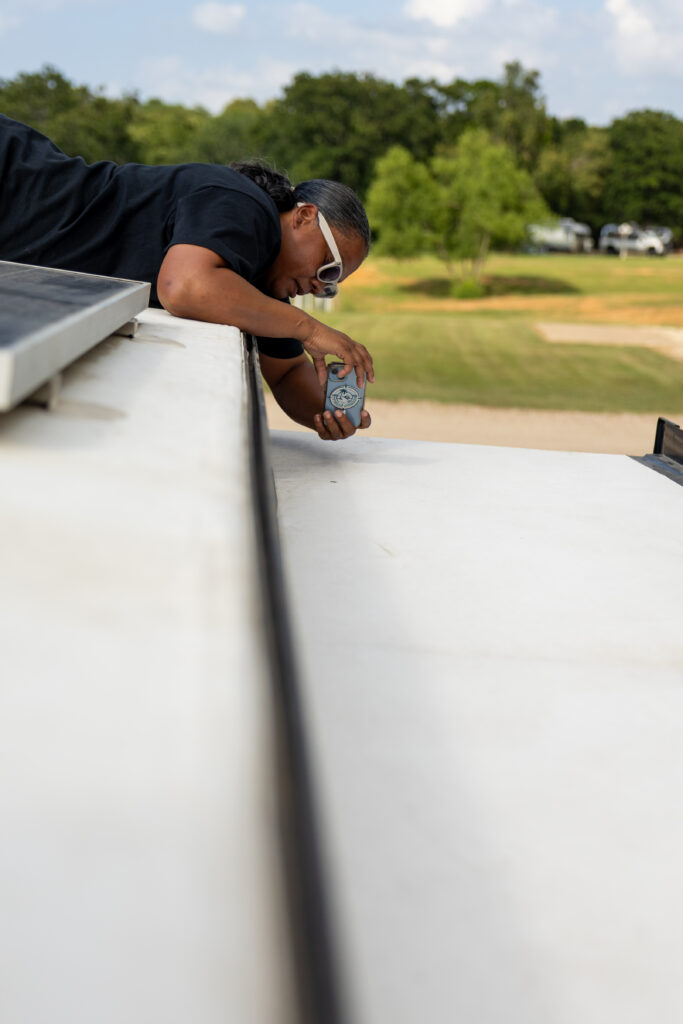
- Inspecting roofing materials
- Checking plumbing fixtures
- Reviewing visible signs of water intrusion
- Evaluating exterior components
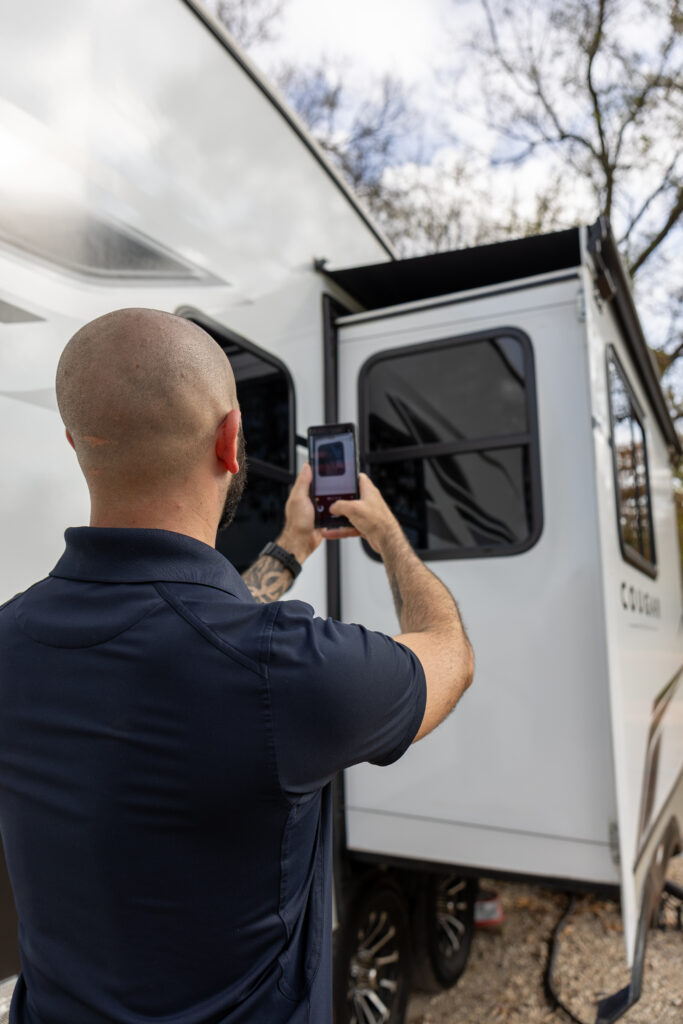
- Documenting findings with photos and reports
Some inspections focus heavily on system operation, while others may place additional attention on signs of damage, maintenance concerns, or safety-related items.
A large part of the job involves observation, documentation, and understanding how RV systems are supposed to function under normal conditions.
Is RV Inspection Training Hands-On?
The better programs usually are.
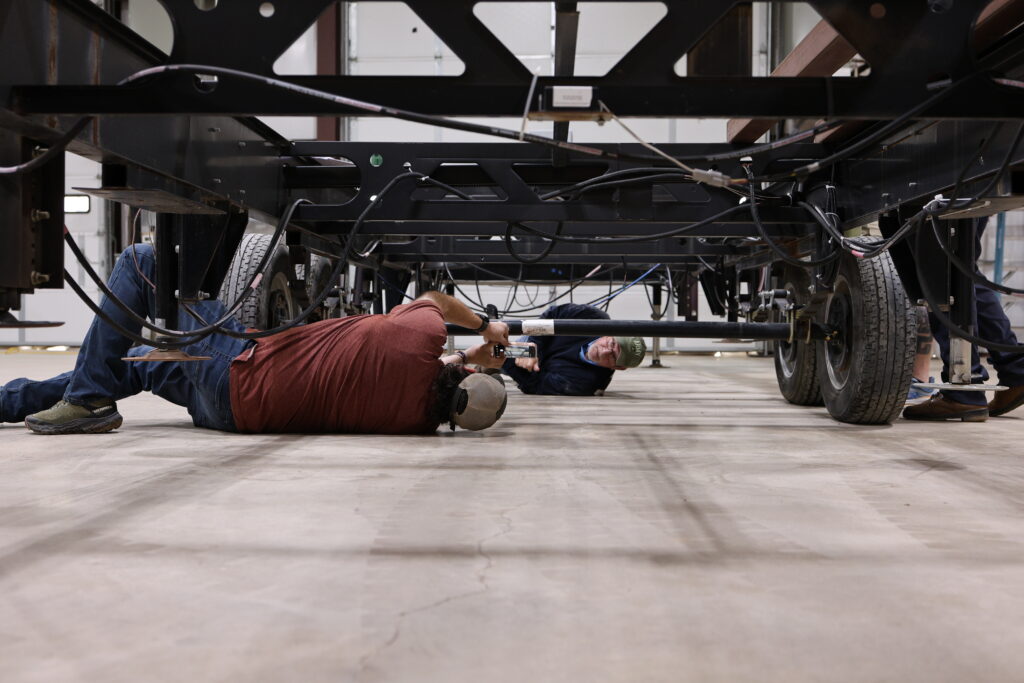
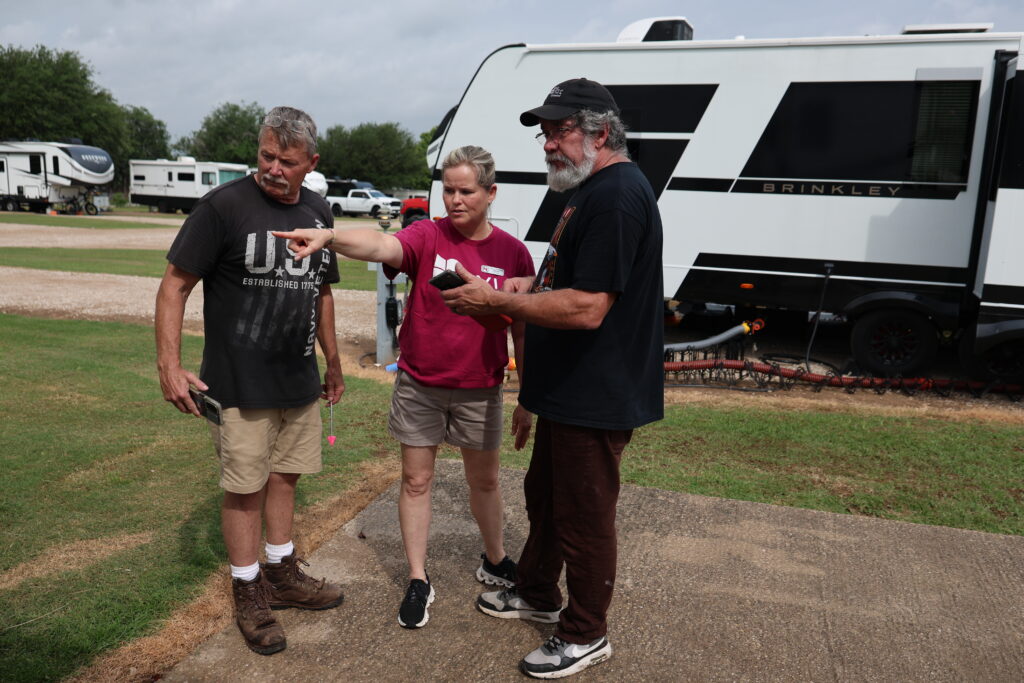
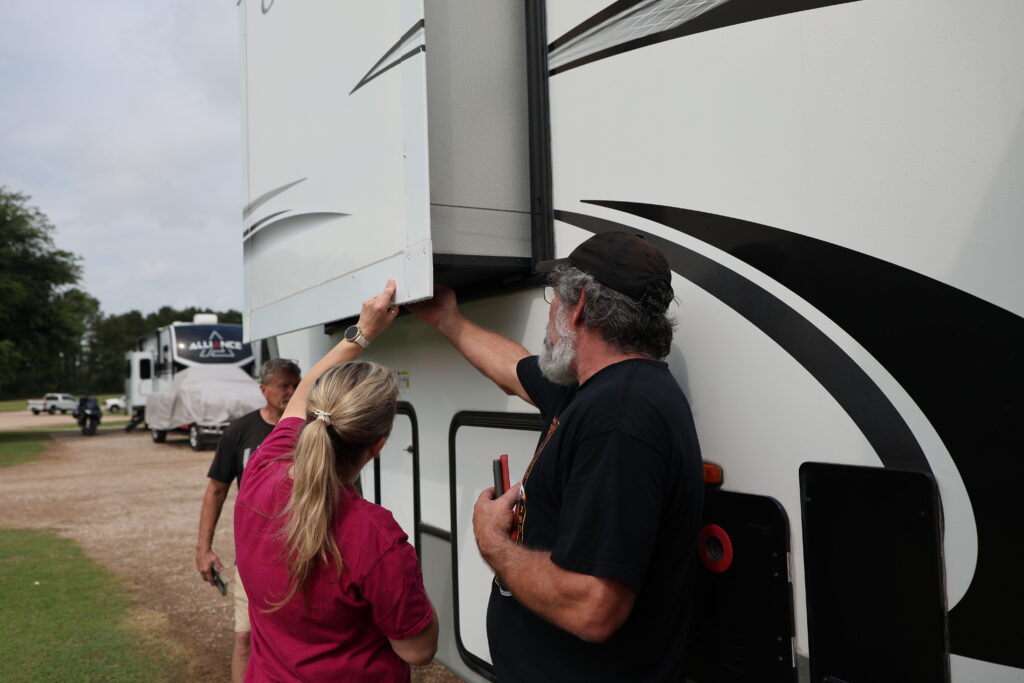
RV systems are practical systems, and many students learn faster when they can physically work with components instead of only reading about them.
For example, it’s one thing to study an RV electrical diagram in a classroom. It’s another thing entirely to trace wiring inside an actual RV, test outlets, inspect a converter, or troubleshoot a live appliance.
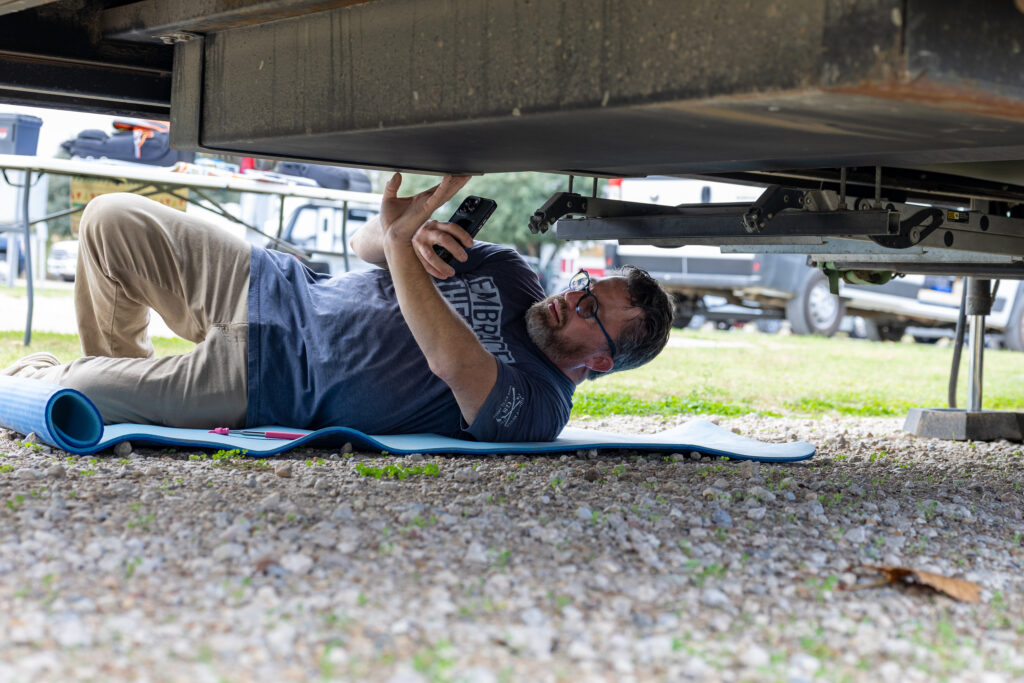
Hands-on RV inspection training may include:
- Working around real RV systems
- Learning inspection procedures in live environments
- Practicing system checks
- Reviewing common failure points
- Understanding how different RV manufacturers build systems differently
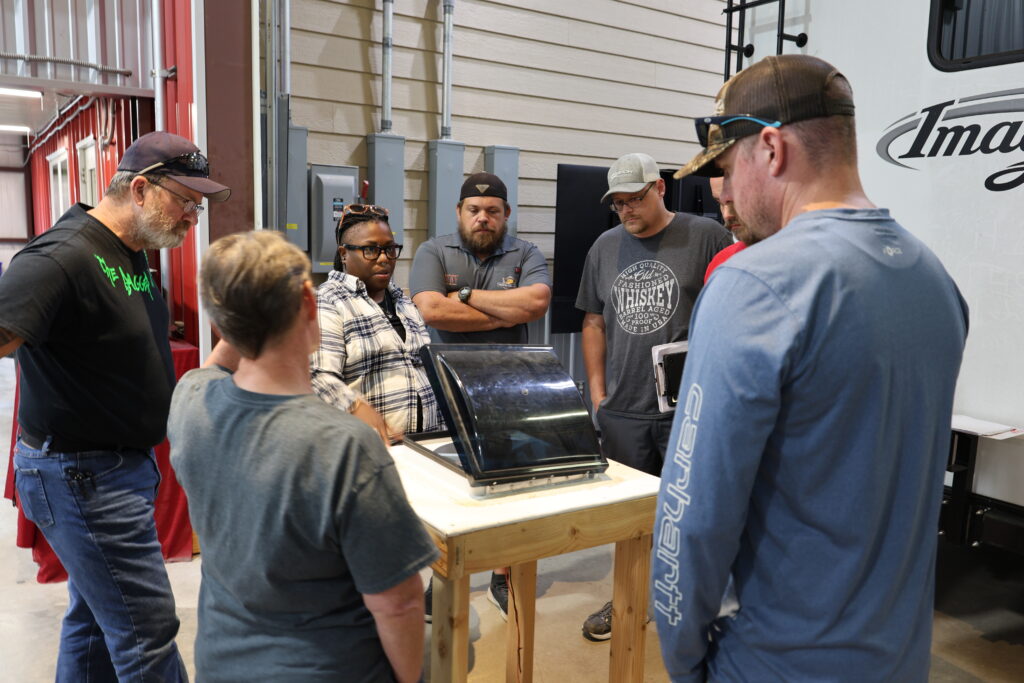
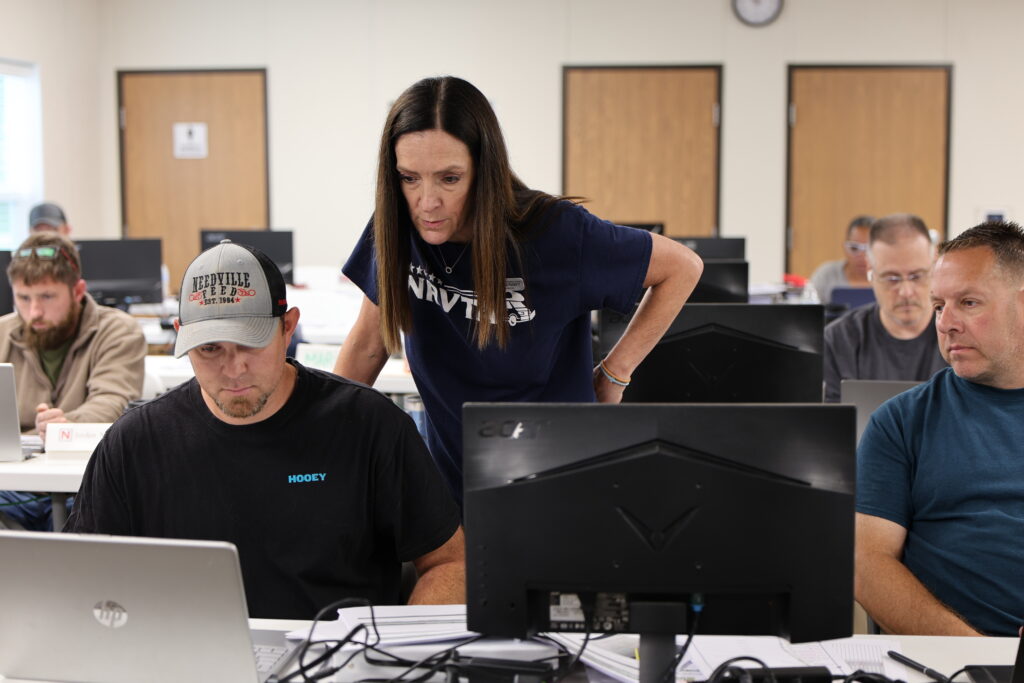
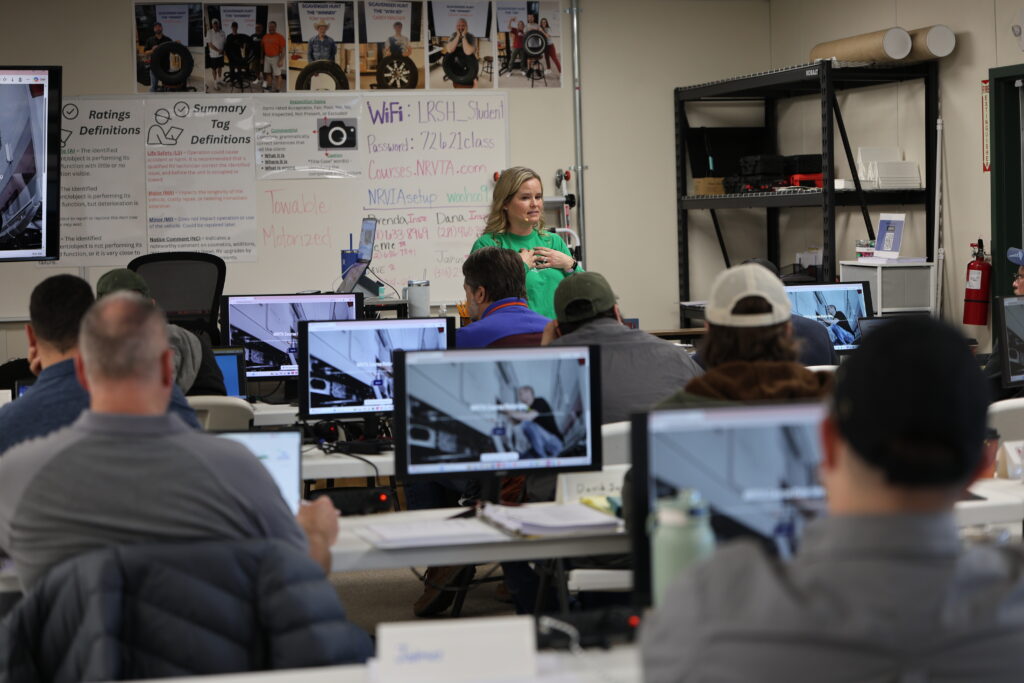
At the National RV Training Academy (NRVTA), training includes both classroom instruction and hands-on lab work using live RV systems and training bays designed for practical RV education.
What Skills Are Taught During RV Inspection Training?
Training programs vary, but most RV inspection courses focus on helping students understand the major systems commonly found in today’s RVs.
RV Electrical Systems
Students typically learn the basics of:
- AC and DC electrical systems
- Battery systems
- Shore power connections
- Electrical safety awareness
- Common troubleshooting procedures
Electrical systems are one of the areas many new RV owners find intimidating, which makes this a foundational part of many training programs.
Propane Systems
RV propane systems power several important appliances and require careful attention to safety and operation.
Training may include:
- Propane appliance operation
- Leak awareness
- System components
- Regulators and fittings
- Safety procedures
Plumbing and Water Systems
Water damage is one of the issues many RV buyers worry about most, especially on older RVs or units exposed to long-term weather conditions.
Training may cover:
- Water system components
- Pumps and fixtures
- Holding tanks
- Signs of leaks
- Moisture awareness
- Water intrusion indicators
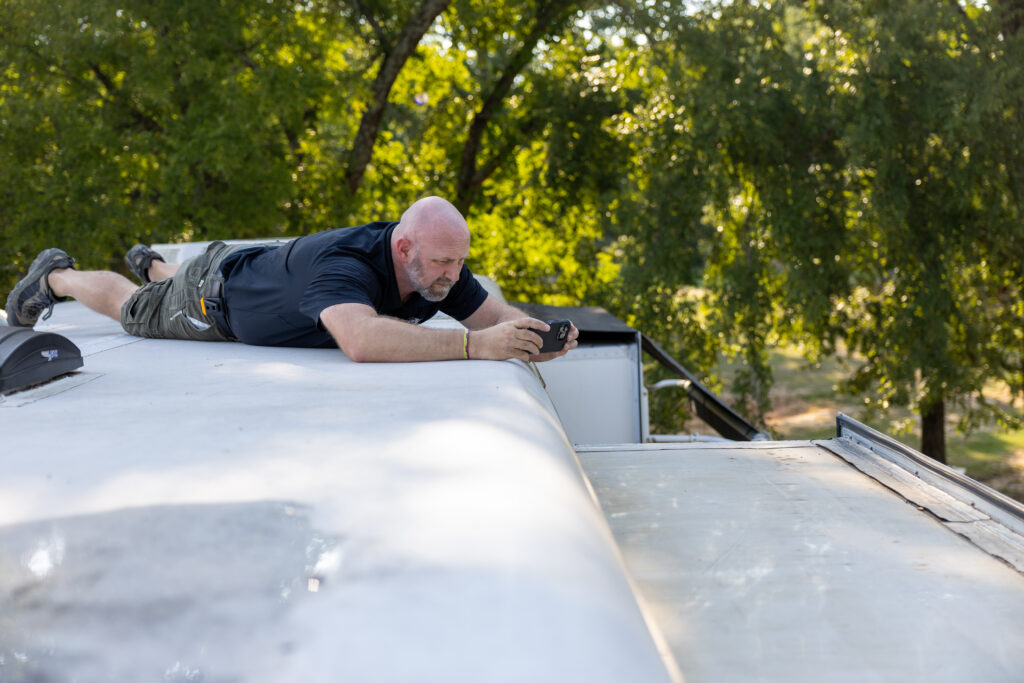
Roof and Exterior Inspections
Exterior inspections often involve:
- Roofing materials
- Sealants
- Sidewall condition
- Slide-outs
- Leveling systems
- Exterior wear and damage indicators
Because RVs experience constant movement and weather exposure, exterior condition can vary significantly from one unit to another.
Appliances and Climate Systems
Many RV inspection training programs also cover:
- Refrigerators
- Air conditioners
- Furnaces
- Water heaters
- Ventilation systems
According to NRVTA’s published curriculum, students receive instruction related to RV electrical systems, propane systems, plumbing systems, appliances, and exterior systems as part of their technical education programs.
What’s the Difference Between RV Inspection Training and Certification?
This is one area where people sometimes get confused.
Training schools and certification organizations are not necessarily the same thing.
For example:
- NRVTA provides RV technical and inspection training.
- NRVIA is the organization that administers RV inspector certification.
According to NRVTA’s catalog, the National Recreational Vehicle Inspectors Association (NRVIA) serves as the credentialing body for professional RV inspectors.
A training program may help prepare students to pursue certification requirements, but the certification itself is issued through the certifying organization.
That distinction is important when researching RV inspection schools or comparing programs online.
Who Typically Pursues RV Inspection Training?
People enter RV inspection training from a wide variety of backgrounds.
Some are longtime RV owners who want a better understanding of how RV systems work. Others are exploring technical education later in their careers or looking for practical, hands-on skills connected to the RV industry.
Common backgrounds may include:
- Skilled trades
- Construction
- Transportation
- Mechanical work
- Service industries
- Technical hobbies
- Military experience
- RV ownership
Some graduates may pursue independent inspection work, while others use the training to support related RV service or industry opportunities.
What Should You Look for in an RV Inspection School?
Not all RV inspection programs are structured the same way.
If you’re researching RV inspection training, it’s worth looking closely at a few important areas.
Hands-On Training
Programs that include live RV systems, practical labs, and real-world inspection environments can provide a very different learning experience compared to lecture-only formats.
Experienced Instructors
Instructors with field experience can often provide practical insight into:
- RV systems
- inspection procedures
- troubleshooting methods
- common issues seen in real RVs
Structured Curriculum
A good RV inspection course should clearly explain:
- what systems are covered
- how training is delivered
- what students should expect during class
Training Facilities
Dedicated training bays, classrooms, and live RV systems can help students develop practical familiarity with modern RV components.
NRVTA’s facility includes classrooms, service bays, and RV training environments specifically designed for hands-on RV education.
Clear Certification Information
A reputable training organization should clearly explain the difference between:
- training
- testing
- certification
- industry memberships
That transparency helps students better understand the full training pathway.
Frequently Asked Questions About RV Inspection Training
Do you need RV experience before starting training?
Not always. Some students begin with technical backgrounds, while others are newer to RV systems and want structured instruction.
How long does RV inspection training take?
Programs vary depending on curriculum depth, lab requirements, and course structure. The RV Inspector training at the NRVTA is 3 weeks.
Is RV inspection training only for people changing careers?
No. Some people pursue training for professional reasons, while others want a deeper understanding of RV systems for personal knowledge or related RV work.
Are RV inspections only used for older RVs?
Not necessarily. Inspections may be used on both newer and older RVs depending on the buyer’s goals and preferences.
Does completing training automatically provide certification?
No. Training and certification are separate processes. Certification requirements are administered by the applicable credentialing organization.
RV inspection training is ultimately about learning how RV systems function, how inspectors evaluate those systems, and how to better recognize visible issues that may affect an RV’s condition or operation.
For many students, hands-on learning is one of the most valuable parts of the process. Working around real RVs, real systems, and real troubleshooting scenarios can provide a much deeper understanding than classroom instruction alone.
If you’re researching RV inspection schools, it’s worth taking time to compare:
- curriculum structure
- hands-on opportunities
- instructor experience
- training facilities
- certification pathways
The right training program should focus on practical education, realistic expectations, and helping students build confidence working around modern RV systems.


Get Registered Today!
Talk to a student advisor to learn more!