
LEARN and EARN!
Get your RV Technician Certification in as little as 5 weeks!

Changing careers later in life can feel uncertain. Many people in their 30s, 40s, or 50s eventually start asking the same question: Is there a practical career where my experience, work ethic, and problem-solving ability still matter?
For some career switchers, the answer may be found in the skilled trades—particularly recreational vehicle (RV) repair. As RV ownership continues to grow in North America, the number of vehicles on the road that require maintenance and repair has grown as well. That has led many people to explore whether learning RV service skills could provide a practical new career direction.
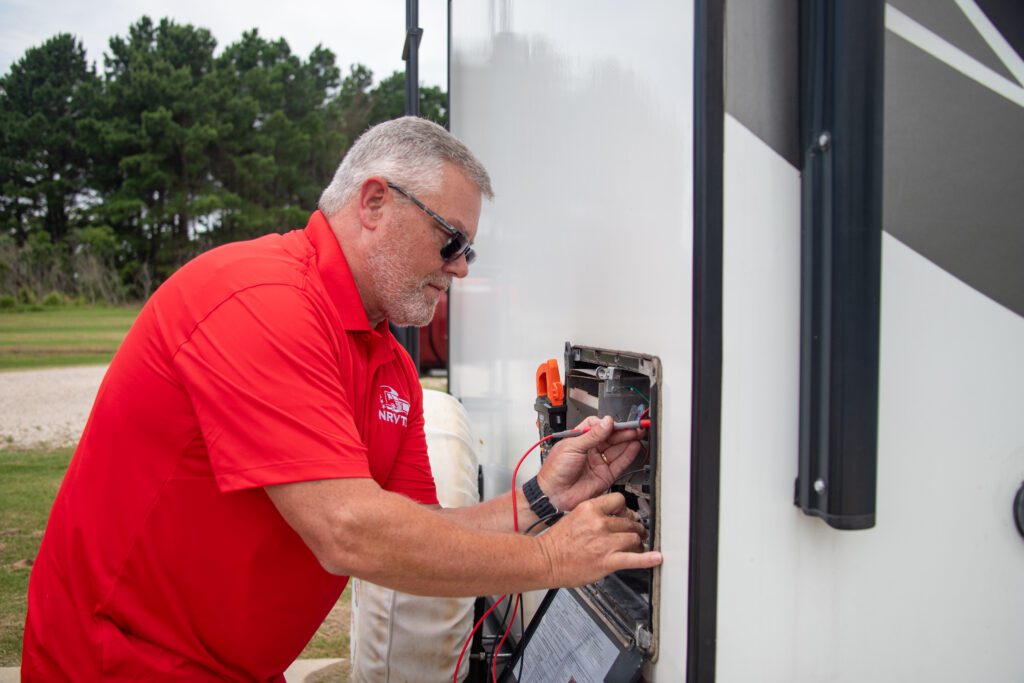
But is RV repair actually a good career for someone changing professions? Understanding the work involved, the demand for technicians, and the training pathways can help answer that question.
What Does an RV Technician Do?
Recreational vehicles are essentially homes on wheels. Unlike a standard automobile, RVs combine multiple living systems inside a single vehicle. Because of this, RV technicians work with a variety of components that include elements of automotive repair, residential systems, and specialized RV equipment.
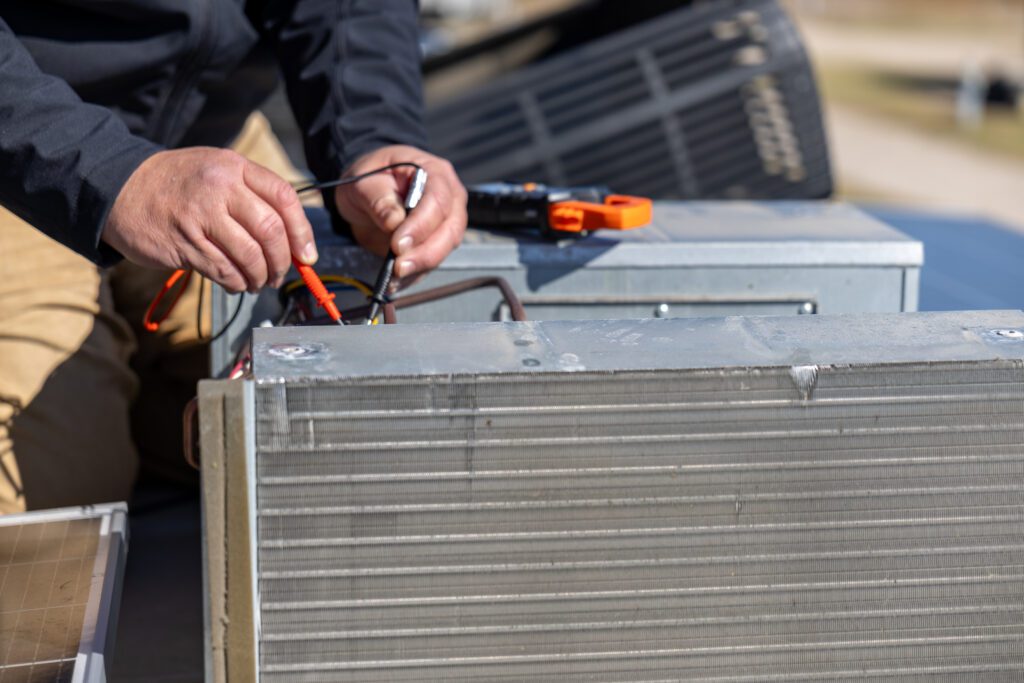
According to the U.S. Bureau of Labor Statistics, recreational vehicle service technicians diagnose, inspect, adjust, repair, or overhaul RV systems such as electrical components, plumbing systems, propane appliances, and interior equipment. These technicians often troubleshoot issues that affect both the mechanical and living systems inside the vehicle.
Common service tasks may include:
- Diagnosing electrical power problems (AC or DC systems)
- Repairing plumbing leaks or water system components
- Servicing RV refrigerators or water heaters
- Inspecting roof seals or repairing water damage
- Troubleshooting slide-out mechanisms
- Maintaining generators or auxiliary power systems
Because RVs integrate many different systems, technicians often perform a wide range of tasks rather than repeating the same repair every day. For people who enjoy hands-on work and problem solving, that variety can be one of the appealing aspects of the profession.
Industry Demand for RV Service Skills
When evaluating a potential career change, one of the first considerations is whether there is long-term demand for the work.
The RV industry has experienced significant growth over the past decade. According to the RV Industry Association, RV ownership has expanded steadily, with millions of households across the United States using recreational vehicles for travel and outdoor recreation.
As the number of RVs increases, those vehicles require ongoing maintenance, inspection, and repair. Several RV industry organizations have reported that service providers sometimes face challenges finding enough trained technicians to keep up with service demand in certain regions.
In addition, many experienced technicians are approaching retirement age, which has led industry groups to emphasize the importance of training new technicians entering the field.
While demand varies by region and employer, the continued growth of RV ownership suggests that service and maintenance will remain an important part of the industry.
Typical Pay for RV Technicians
Income potential is an important factor for many people considering a career change, but compensation in the RV service industry can vary depending on the type of work arrangement.
For technicians working as employees, publicly available labor data provides some general benchmarks. According to the U.S. Bureau of Labor Statistics, the mean annual wage for recreational vehicle service technicians in the United States is approximately $50,690. Pay can vary depending on factors such as experience, geographic location, and the type of employer.
Data from job listings and salary aggregation platforms such as Indeed report average hourly wages of around $26 per hour nationwide, although rates may differ based on regional demand, technician experience, and employer compensation structures.
These figures generally reflect technicians working for employers such as:
- RV dealerships
- Service and repair shops
- RV manufacturers
- Service companies that provide repair or warranty work
Some technicians also choose to operate independent or mobile RV service businesses, providing repairs directly to RV owners at campgrounds, storage facilities, or private properties. Income for independent technicians can vary widely depending on factors such as local market demand, business expenses, pricing structure, and the number of service calls performed.
As with many skilled trades, compensation may increase over time as technicians develop:
- Additional field experience
- Advanced troubleshooting abilities
- Specialized knowledge of RV systems
- Industry certifications issued by recognized organizations
Because RV technicians may work in several different employment models—including dealership service departments, independent repair shops, or self-employment—their compensation structure can vary depending on the work environment and service model they choose.
Why RV Repair Appeals to Career Switchers
Many people exploring a mid-career transition are looking for work that offers practical skills and a sense of tangible accomplishment. RV repair can appeal to career changers for several reasons.
Hands-On Work
People leaving office-based careers sometimes prefer work that involves physical activity and visible results. Repairing systems, diagnosing problems, and restoring equipment to working order can provide a clear sense of progress and accomplishment.
Transferable Skills
Career switchers often bring valuable skills from previous professions that translate well into technical service work, including:
- Analytical thinking
- Customer service experience
- Communication skills
- Attention to detail
- Problem-solving ability
These skills can help technicians explain repairs to customers, diagnose issues efficiently, and manage service work effectively.
Variety in Daily Tasks
Because RVs contain electrical, plumbing, heating, cooling, and structural components, technicians frequently encounter different types of problems throughout the week. For people who enjoy learning and adapting, that variety can make the work more engaging.
Mobile Service Opportunities
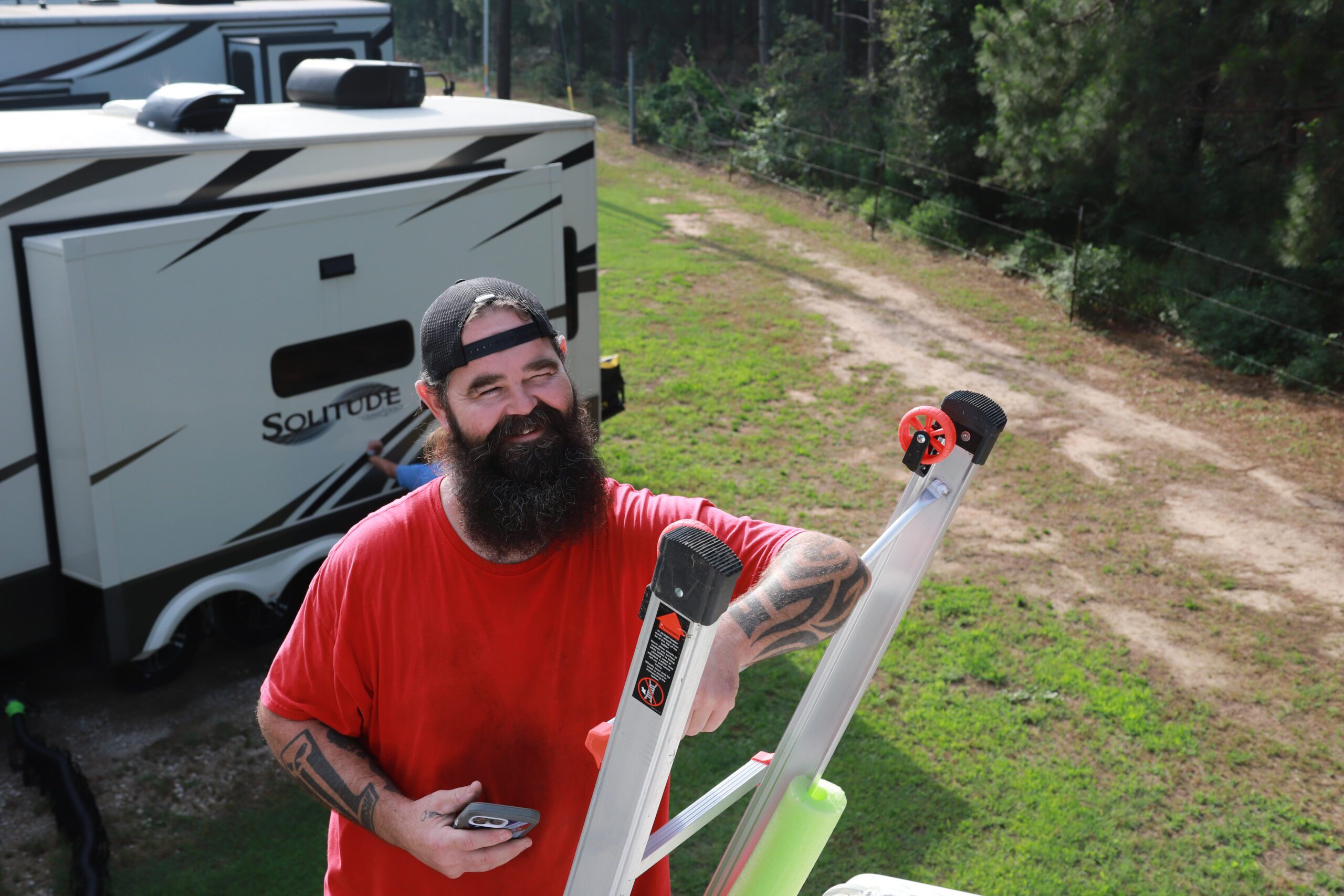
Some technicians choose to work in mobile RV service, traveling to campgrounds, storage facilities, or RV parks to perform repairs on-site.
This type of service can be convenient for RV owners who may prefer repairs performed where their vehicle is already parked. Mobile service models have become increasingly common in parts of the RV service industry.
Training and Skill Development
Although some technicians learn through on-the-job experience, many people entering the field pursue structured training programs to build foundational knowledge of RV systems.
Training programs may include instruction in areas such as:
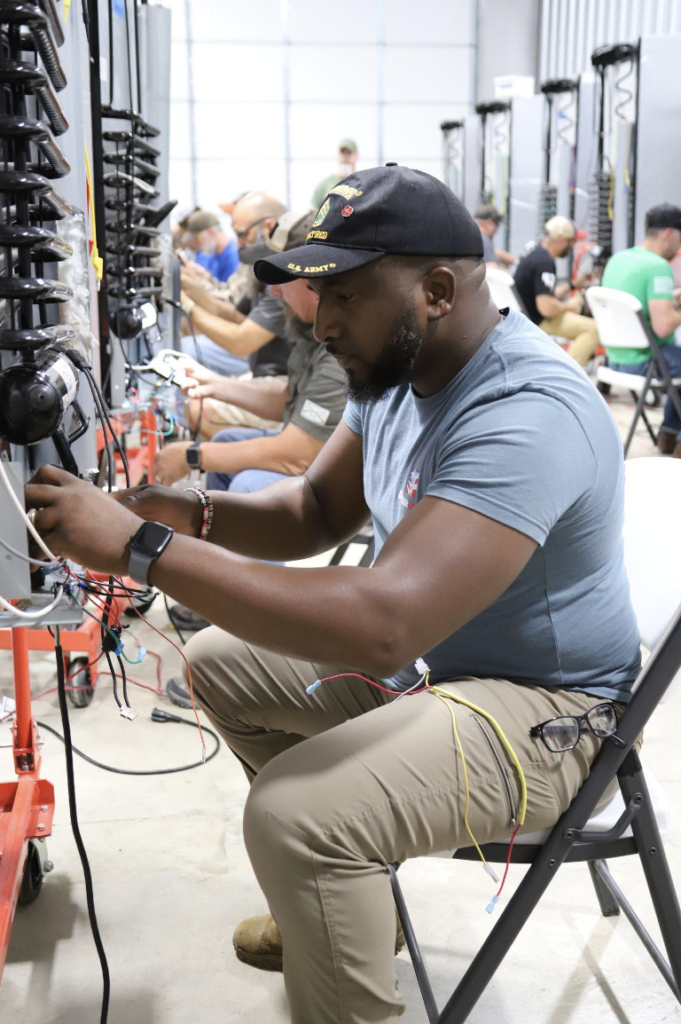
- RV electrical systems (both AC and DC)
- Plumbing and water systems
- Propane systems and appliances
- Slide-out mechanisms
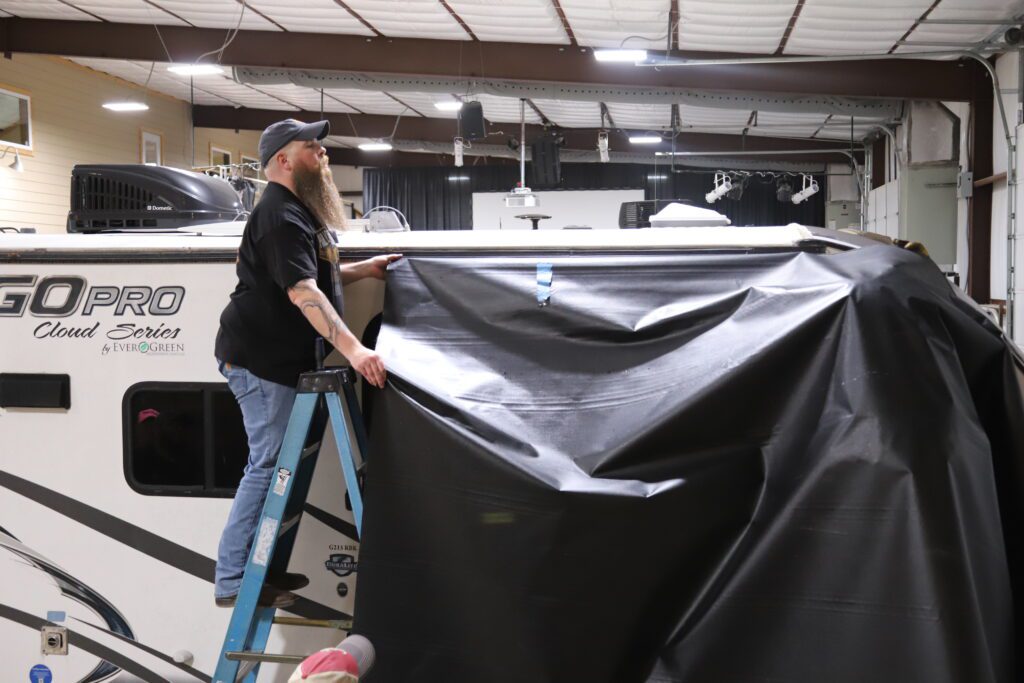
- Roof construction and seal maintenance
- Troubleshooting procedures
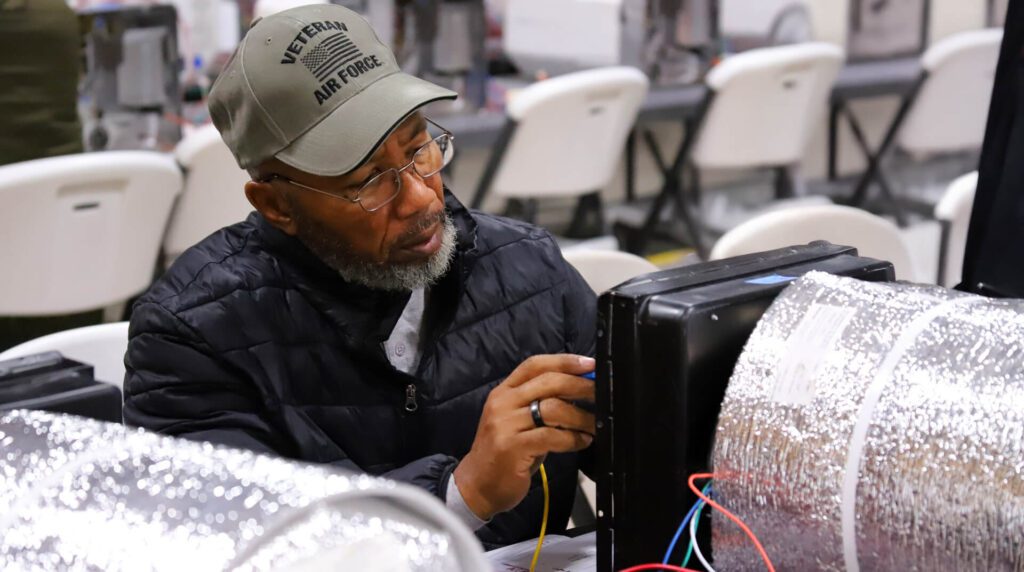
Hands-on training environments can help students practice diagnosing common service issues and become familiar with the tools used in RV repair.
Some training programs are designed to prepare students to pursue certification through industry organizations, such as the RV Technician Association of America. Certification is issued by the certifying organization itself, not by training schools. Training programs provide education and practical skill development that may help students prepare for certification exams administered by those organizations.
Challenges to Consider
While RV repair can be rewarding for people who enjoy technical work, it also comes with challenges that prospective technicians should consider.
Physical Work Environment
Technicians may work in tight spaces, climb ladders to inspect roofs, or handle equipment and components that require lifting. Depending on the work setting, some repairs may also take place outdoors.
Continuous Learning
RV technology continues to evolve as manufacturers introduce new electrical systems, solar components, electronics, and appliances. Technicians often need to continue learning throughout their careers to stay familiar with new systems and repair procedures.
Regional Differences in Service Demand
Demand for RV service can vary depending on local RV travel patterns and the number of service centers in a given region. Areas with heavy RV travel, campgrounds, or tourism often have higher service activity.
Is RV Repair the Right Career Move?
For people looking to transition into a practical trade, RV repair offers a career path that combines technical problem solving with hands-on work. Technicians help keep recreational vehicles functioning safely so their owners can continue traveling and enjoying the RV lifestyle.
The field may appeal to individuals who enjoy:
- Diagnosing and fixing mechanical or technical problems
- Working with tools and equipment
- Learning how complex systems operate
- Helping customers resolve practical issues
Like any career change, researching the profession, understanding the training pathways, and learning about the day-to-day realities of the work are important steps before making a decision.
For some career switchers, developing RV service skills can provide a new professional direction in a growing area of the recreational vehicle industry.


Get Registered Today!
Talk to a student advisor to learn more!