LEARN and EARN!
Get your RV Technician Certification in as little as 5 weeks!

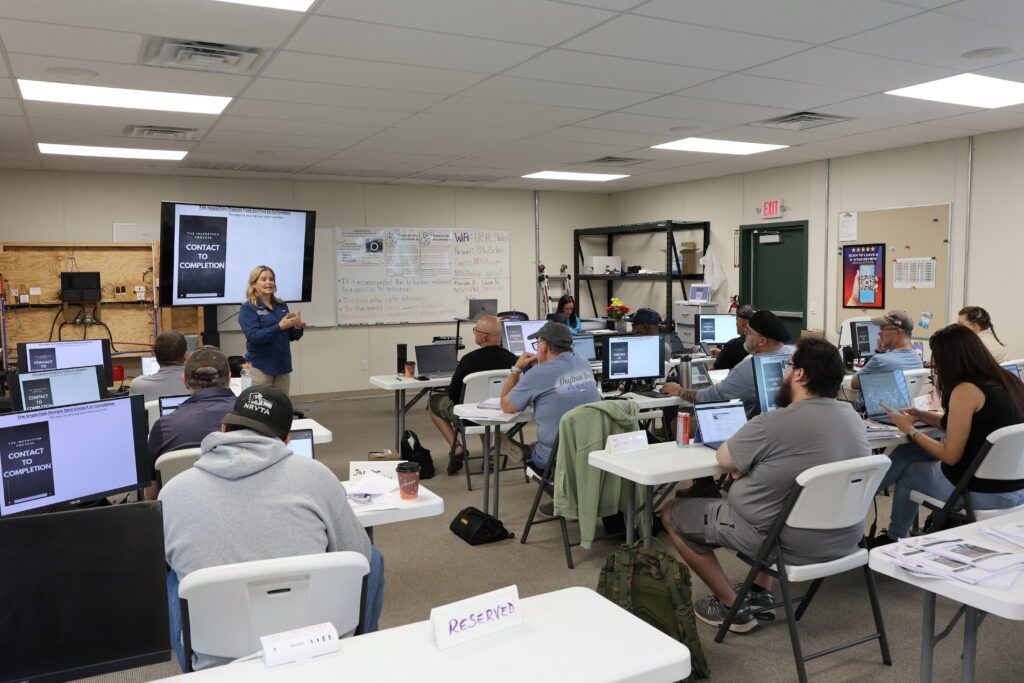
If you’ve spent any time around campgrounds or RV forums lately, you’ve probably noticed two things: people love their rigs, and they hate expensive surprises. That’s exactly why certified RV inspectors are busy—and why the ones with credible training can build durable, flexible businesses that fit their lifestyle.
Below, I’ll break down what RV inspectors actually do, where the demand is coming from, what a realistic income picture looks like, and why the National RV Training Academy (NRVTA) in Athens, Texas, has become the go-to path to skill up and stand out.
What does an RV inspector actually do?

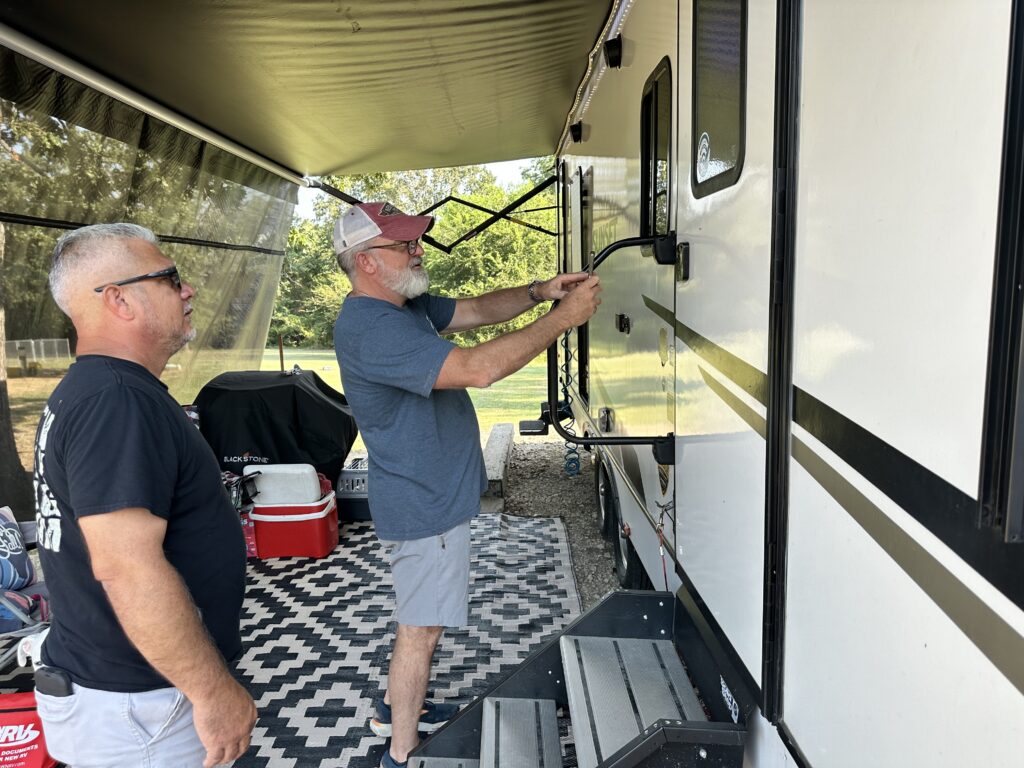
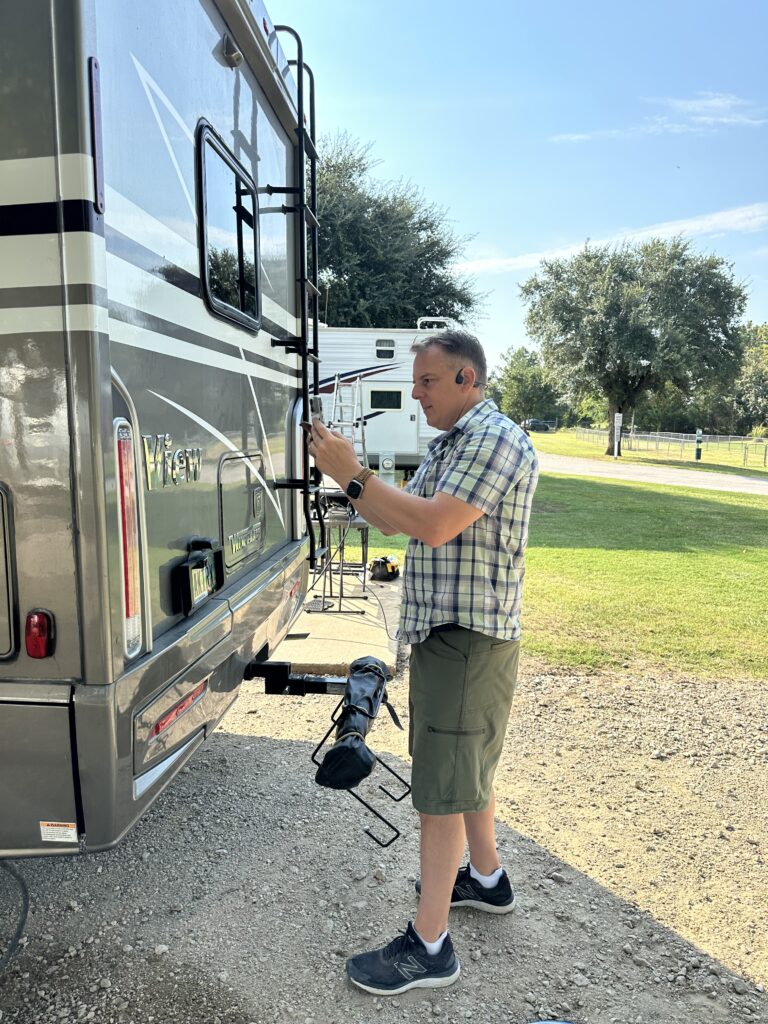
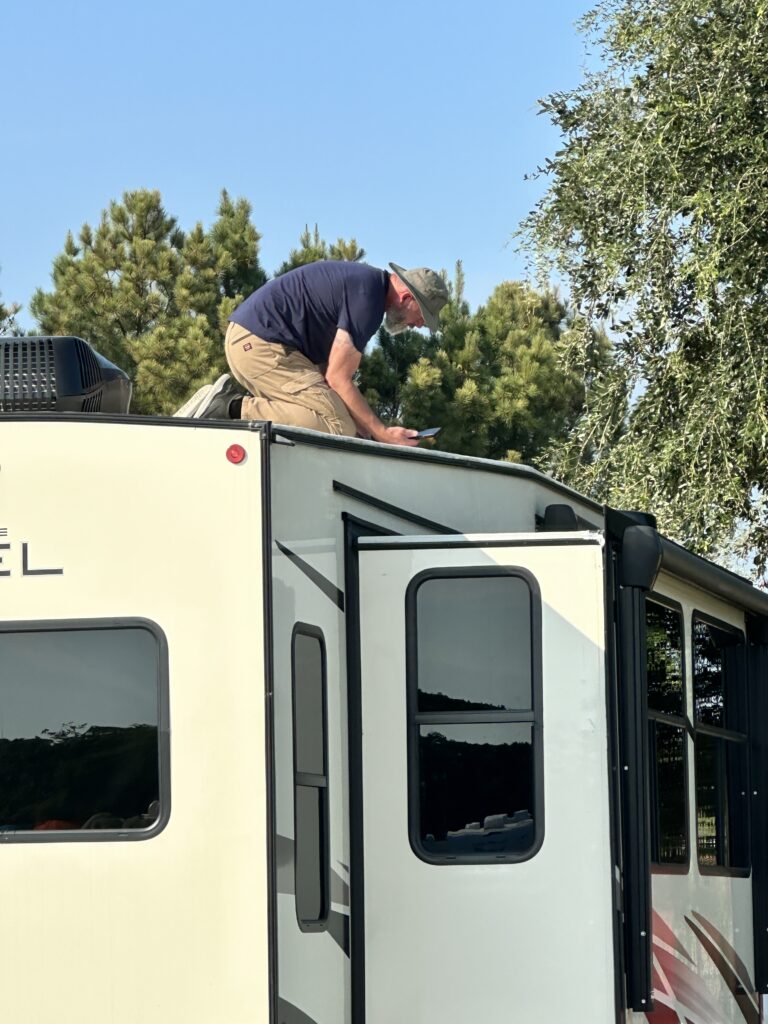
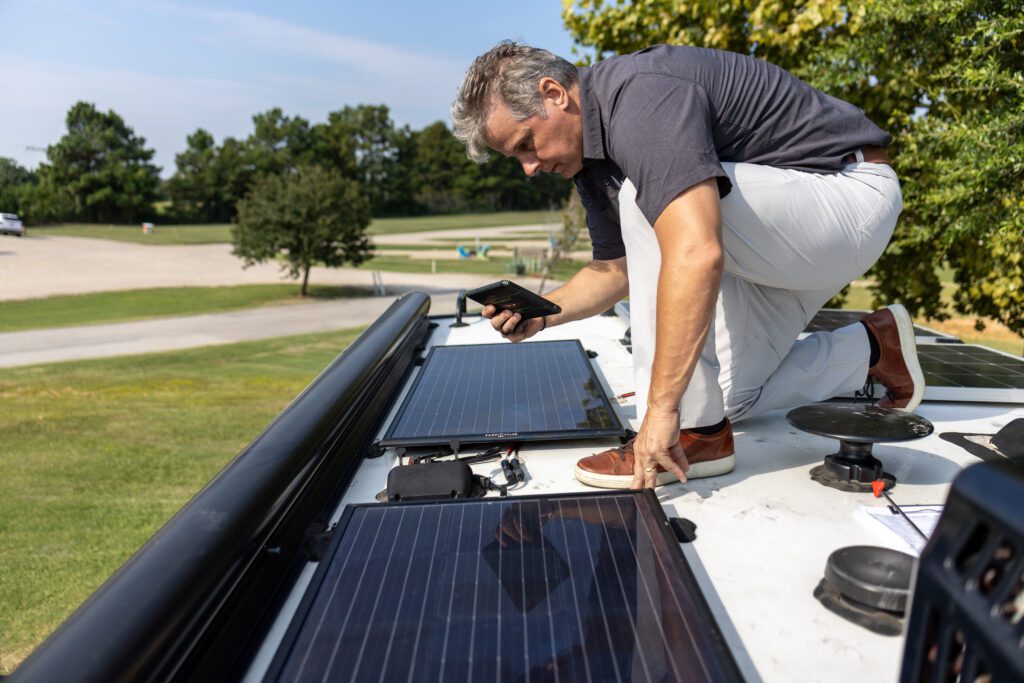
Think “home inspection,” but for a rolling house with propane, 12-volt and 120-volt electrical, water, HVAC, hydraulics, and an engine or tow components in the mix. A proper inspection follows published standards, documents visible and operational issues, and gives a buyer (or seller) objective information before money changes hands. The National RV Inspectors Association (NRVIA) sets a clear Standards of Practice so inspectors know what’s in scope and how to evaluate systems consistently. Inspections are primarily visual and operational—they’re not teardown diagnostics—but they are systematic, documented, and guided by training and judgment.
Why the timing is favorable (even in a choppy RV market)
The last few years rewired how Americans camp and travel. Shipments surged during the pandemic and then cooled, but the base of RVs on the road is enormous and still growing off the 2024 trough. In March 2025 alone, manufacturers shipped 37,348 units, putting shipments up ~14% year-to-date versus 2024. That keeps new inventory flowing into the market and feeds future resale volume—the core driver of inspection demand.
On top of that, the industry continues to call out service-side shortages. NRVTA has highlighted a gap in trained professionals: millions of RVs in service, not enough qualified people to evaluate and maintain them. When service backlogs stretch, buyers and sellers lean even harder on independent inspectors to de-risk transactions.
Who hires RV inspectors?
● Used buyers who want a full report before committing to a private-party or dealer unit.
● Lenders and extended warranty providers that need condition documentation.
● Sellers who want a pre-listing report to justify asking price (and cut renegotiation drama).
● New buyers verifying delivery condition and PDI quality.
NRVIA regularly educates consumers on why inspections matter: they surface safety issues, uncover hidden water intrusion and structural problems, and protect the buyer’s long-term costs. That consumer awareness keeps rising, which is good for credible inspectors.
Income snapshot (and what affects it)
Compensation varies by market, rig type, package depth, and how you run your calendar. Aggregated pay data for “RV inspector” roles shows a national average around $54,900/year (~$26/hour) per Ziprecruiter, but independent NRVIA-certified inspectors typically price by the job—often several hundred dollars per inspection—with add-ons (fluid analysis, thermal imaging, rush fees) raising the invoice size. NRVTA has reported cohorts of inspectors and techs billing over $175/hour after advanced training and some time in the field, which aligns with what many owner-operators share anecdotally once their lead flow stabilizes. In the end, it’s your business so you’re able to set your own rates based on the market you’re working in.
What moves the needle:
● Turn time & responsiveness. Buyers often have a short option window. If you can book within 48–72 hours, you win deals.
● Professional reporting. Clear photos, objective language, and an easy-to-scan PDF build referrals and good reviews.
● Credible credentials. NRVIA membership and up-to-date training signal standards and ethics to consumers who don’t know how to vet you otherwise.
Why the NRVTA path gives you leverage
There are different ways to learn this trade, but NRVTA has become the industry leader for hands-on, systems-driven instruction. Here’s what sets it apart:
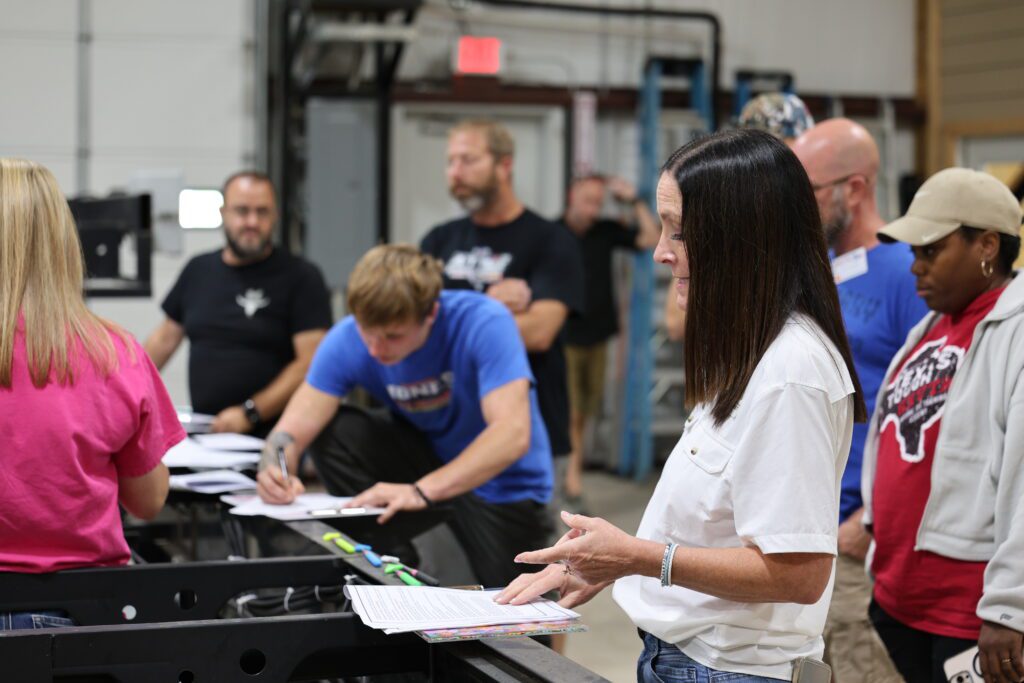
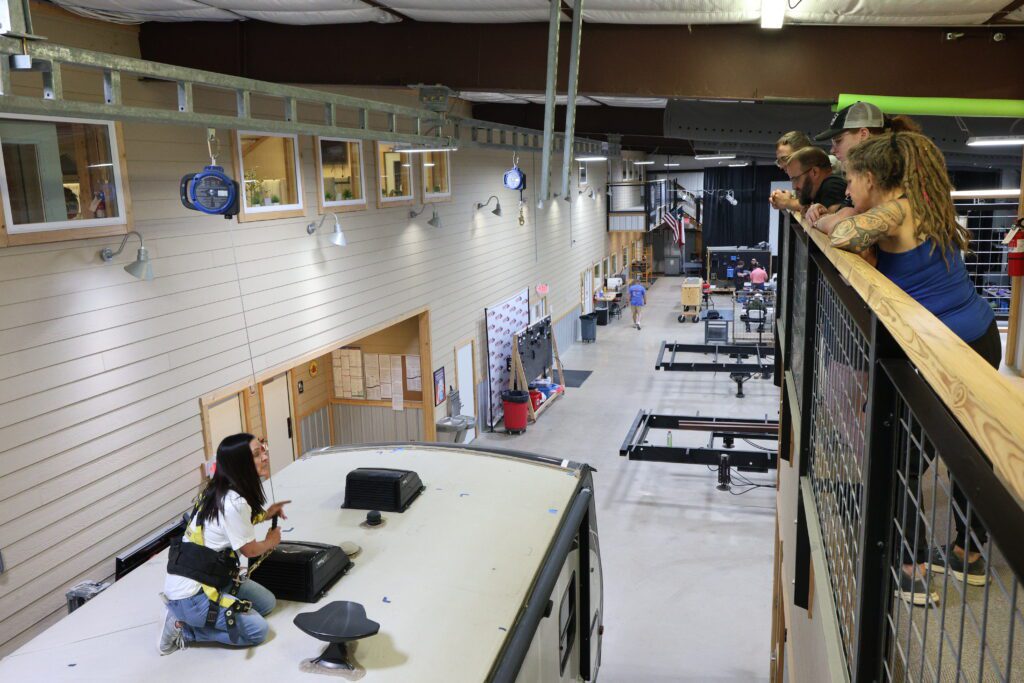
● Structured, in-person, hands-on training. RV systems are tactile. NRVTA’s Athens, Texas campus is purpose-built so students can put tools on real rigs, not just watch sides.
● Direct link to NRVIA certification. NRVIA recognizes NRVTA as its approved training facility. Complete the coursework, pass the exams, and maintain membership to use the credential in your marketing. The result: consumers and referral partners have a simple way to identify trained pros.
● A standards-first approach. You’re trained to a published Standards of Practice and Code of Ethics, which protects your reputation and keeps reports consistent across clients and regions.
● Career support content. NRVTA’s ecosystem frequently publishes demand and career insights, which helps you position services and set expectations as you launch.
Day-to-day reality: business model, not just a badge.
Becoming a sought-after inspector is equal parts technical skill and business blocking-and-tackling:
● Service design. Offer tiered packages (e.g., Essential, Premier) and optional labs (fluid analysis, boroscope checks where appropriate).
● Networks. Meet finance managers, consignment lots, mobile techs, and detailers. They’re all nodes in the used-RV deal flow.
● Local SEO & reviews. Most buyers search “RV inspector near me.” A clean Google Business Profile, NRVIA directory listing, and a steady drumbeat of reviews make the phone ring.
● Availability. Consider early-morning or Sunday windows during peak season. The fastest to “yes, I can be there” often wins.
NRVTA’s hands-on foundation helps here—the more fluent you are across electrical, propane, water, HVAC, and structure, the faster and cleaner your inspections (and your write-ups) become.
“But aren’t RV sales slowing?”
The market isn’t the craziness of 2021, but that’s not the whole story. Shipments rebounded in early 2025, and (more importantly for inspectors) the resale market tends to stay active as households turn rigs, upgrade floorplans, or adjust payments. Even when OEMs moderate production, the existing base remains massive, and every used transaction is a chance to provide value and reduce buyer risk.
The consumer value you deliver (and how to talk about it)
A strong inspection does three things for your client:
1. Safety: Verifies life-safety systems (LP, CO/Smoke alarms, brake/lighting functions) are present and operational.
2. Budget protection: Identifies repairs (tires at end-of-life, water ingress, roof issues) that affect price and planning.
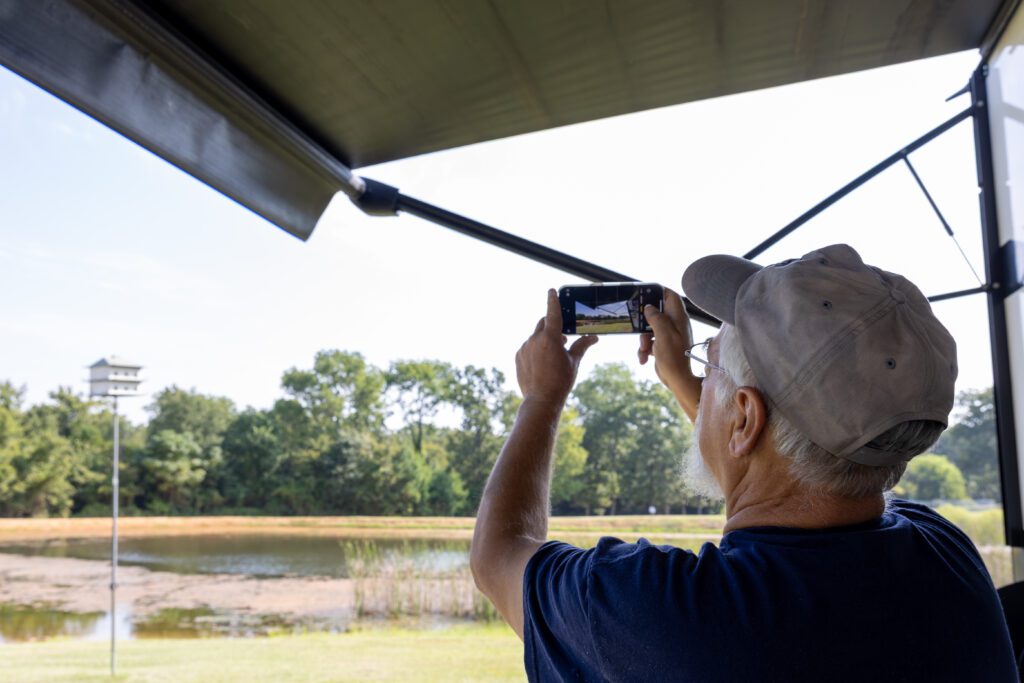
3. Confidence: Replaces “hope” with documentation—photos, test results, and a clear summary.
How to get started (a simple roadmap)
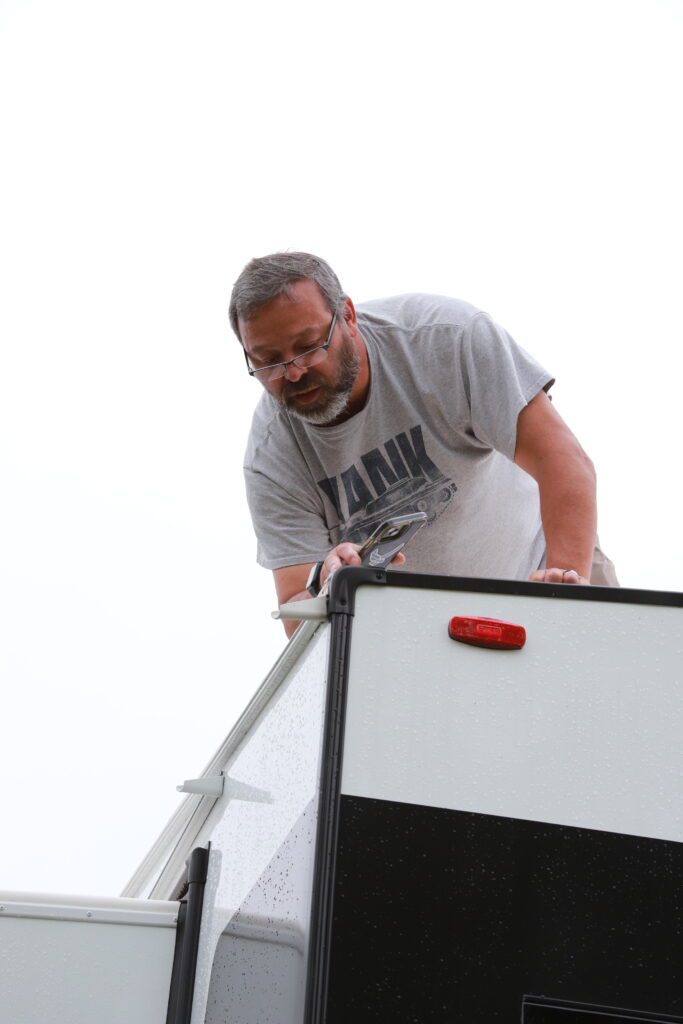
● Step 1: Train. Enroll at NRVTA for RV Inspector training. You’ll cover inspection workflow plus the nuts and bolts of RV systems—electrical, propane, water, HVAC, structure—so you understand why a defect matters, not just how to spot it.
● Step 2: Certify & join NRVIA. Sit for the exams and maintain membership so you can market yourself as an NRVIA-certified inspector and appear in directories buyers already trust.
● Step 3: Launch like a business. Build a website, Google Business Profile, and templated report workflow. Price a few model packages; add optional lab services. Ask for reviews immediately after each delivery.
● Step 4: Create referral engines. Introduce yourself (with sample report in hand) to local lenders, F&I managers, consignment lots, and mobile RV techs. One breakfast with a finance manager can turn into three steady referrals per month.
What success looks like
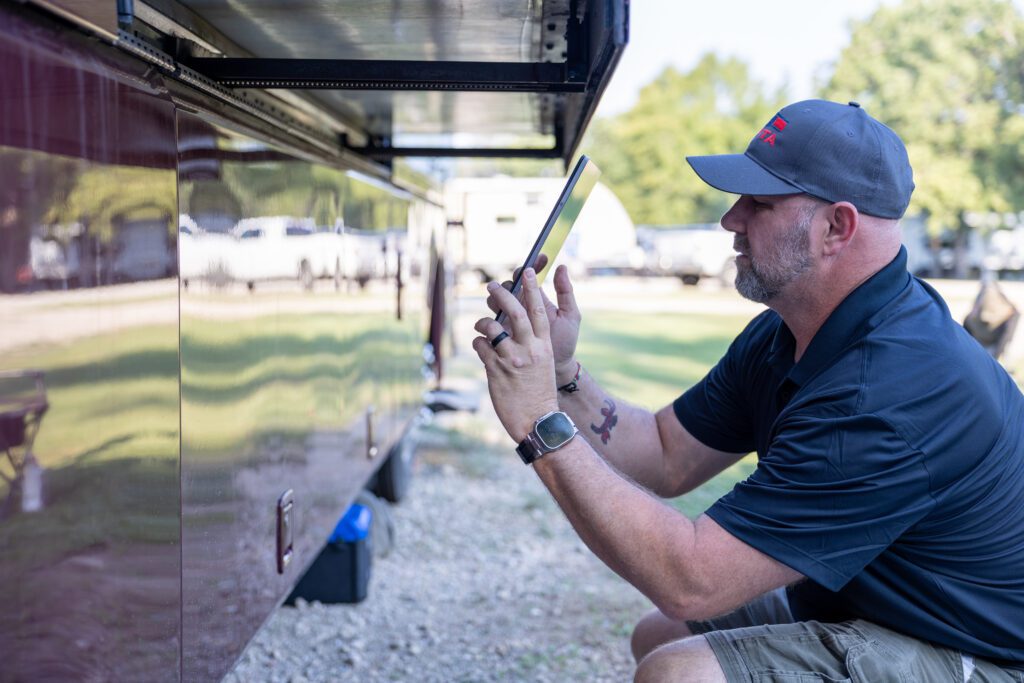
Early on, most inspectors aim for 1–3 bookings a week while they dial in process and reputation. With good scheduling and a focused service radius, it’s common to stack inspections efficiently, keep admin time tight, and steadily raise your effective hourly rate.
Why this work resonates with people who like autonomy
You control your calendar. You get paid for expertise. You help families avoid bad purchases (or buy great rigs with eyes open). And you can layer complementary services over time—fluid analysis, add-on checkups before big trips, seasonal walk-throughs for new owners, even consultative punch-lists for sellers. It’s meaningful work with a clear consumer outcome.
My Final Thoughts
If you want a skilled trade with real flexibility and rising consumer awareness, RV inspection checks the boxes. And if you want to start on solid footing, choose a training path that teaches the systems deeply, aligns you to published standards, and connects you to a recognized credential.
That’s the NRVTA + NRVIA route in a nutshell: hands-on training, clear standards, respected certification, practical business launch. Get those pieces right and you’ll have a service people are actively searching for—today and in the years ahead.
Tony Flammia, Marketing Director for the National RV Training Academy


Get Registered Today!
Talk to a student advisor to learn more!