LEARN and EARN!
Get your RV Technician Certification in as little as 5 weeks!

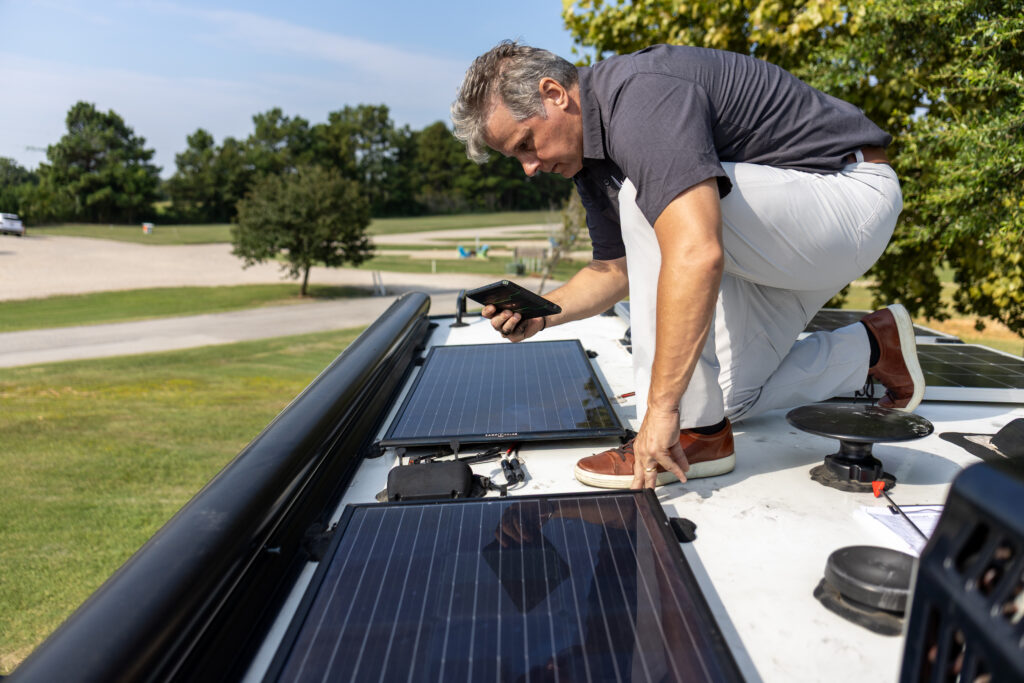
If you are detail-oriented, enjoy learning how RV systems work and want to help buyers understand an RV before making a major purchase, you may have wondered how to become an RV inspector. RV inspection is different from RV repair. An inspector evaluates and documents the condition and operation of an RV so the client can make a more informed decision.
The National RV Training Academy provides the hands-on systems and inspection training required for people pursuing the National RV Inspectors Association credential. NRVTA delivers the training and exam preparation, while NRVIA administers the certification examinations and issues the professional inspector credential.
What Does an RV Inspector Do?
An RV inspector conducts an independent evaluation of an RV and prepares a report describing what was observed at the time of the inspection. Inspections are commonly requested before the purchase or sale of a new or used RV.
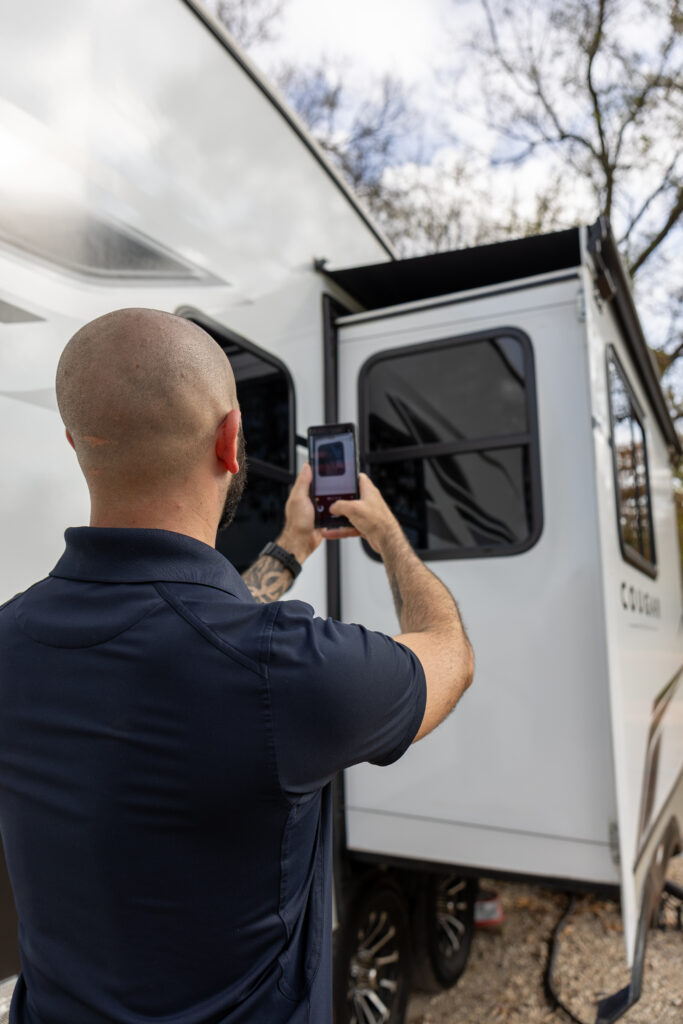
Depending on the agreed scope of work, an inspector may evaluate:
- AC and DC electrical systems
- Plumbing and water systems
- Propane systems and visible components
- Refrigerators, air conditioners, water heaters and furnaces
- Interior fixtures and finishes
- Roofs, sidewalls, windows, doors and sealant
- Slide-outs and leveling systems
- Running gear and other accessible exterior components
- Signs of moisture intrusion or previous damage
- The apparent operation of installed systems and appliances
The inspector records observations and typically includes photographs in the final report. The exact items evaluated depend on the inspection agreement, accessibility, safety conditions and the inspector’s scope of work.
What Is the Difference Between an RV Inspector and an RV Technician?
RV inspectors and RV technicians both need to understand RV systems, but their roles are not the same.
An RV technician diagnoses problems and performs maintenance or repairs. An RV inspector evaluates accessible systems and components and reports findings to a client. The inspector should remain independent and should not turn the inspection into a repair appointment.
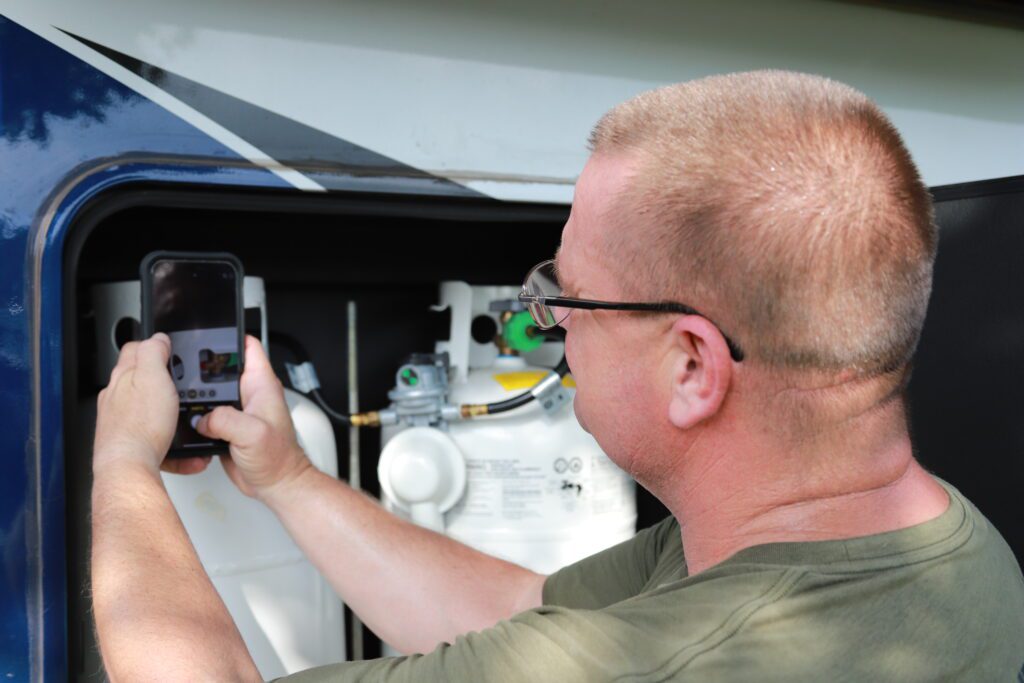
Someone who enjoys troubleshooting and repairing equipment may prefer the technician path. Someone who enjoys detailed evaluations, photography, documentation and communicating findings may be better suited to inspection work.
Why Do Buyers Hire RV Inspectors?
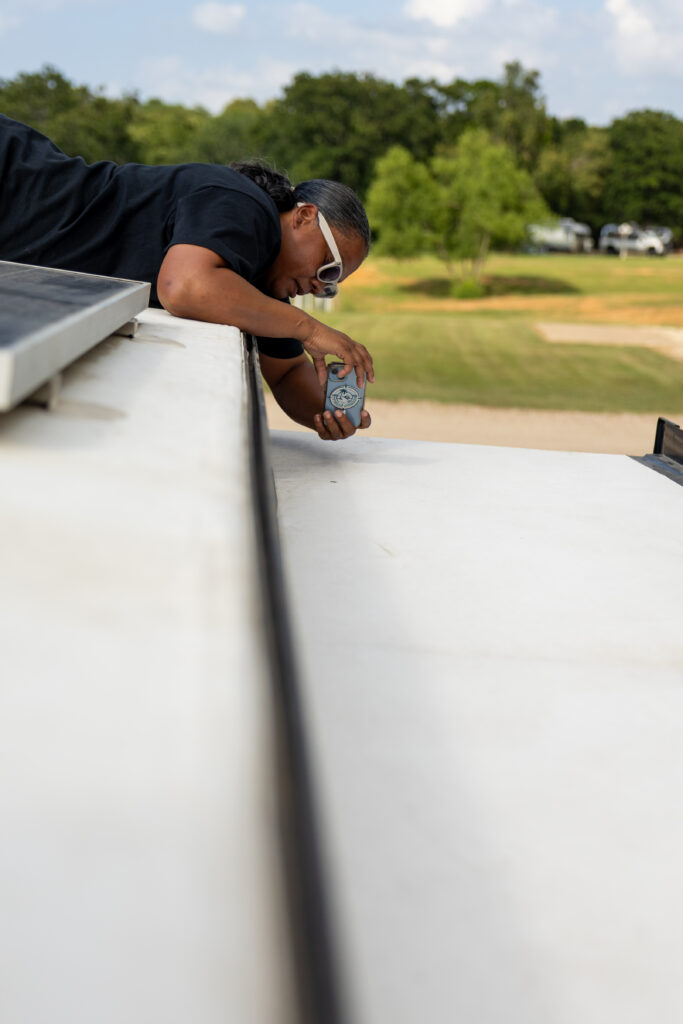
An RV can contain electrical, plumbing, propane, appliance, structural and exterior components that are difficult for an unfamiliar buyer to evaluate. A professional inspection gives the client a detailed snapshot of the RV’s observed condition at the time of the inspection.
The report may help the client identify items that deserve further evaluation, request additional information or better understand potential maintenance needs. An inspection does not guarantee that the RV is free from defects, and inspectors cannot predict every future failure.
NRVIA-certified inspectors are required to follow the association’s standards and maintain an active status to use the Certified RV Inspector designation.
How to Become an RV Inspector Step by Step
1. Learn How Major RV Systems Operate
Inspectors need more than a checklist. They must understand what they are observing and recognize when a system is not operating as expected.
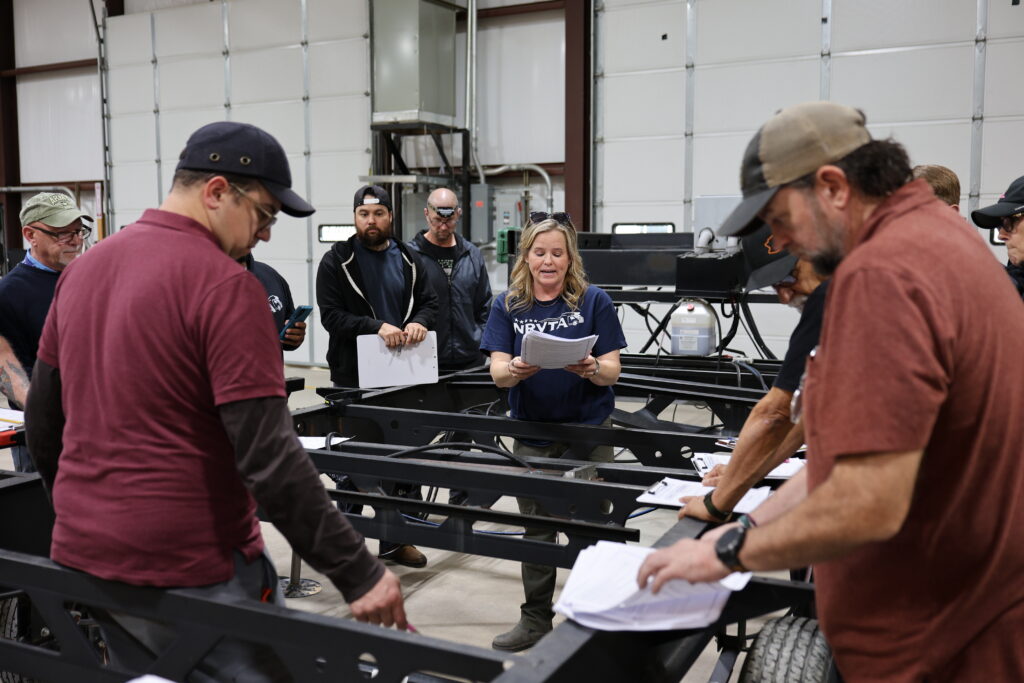
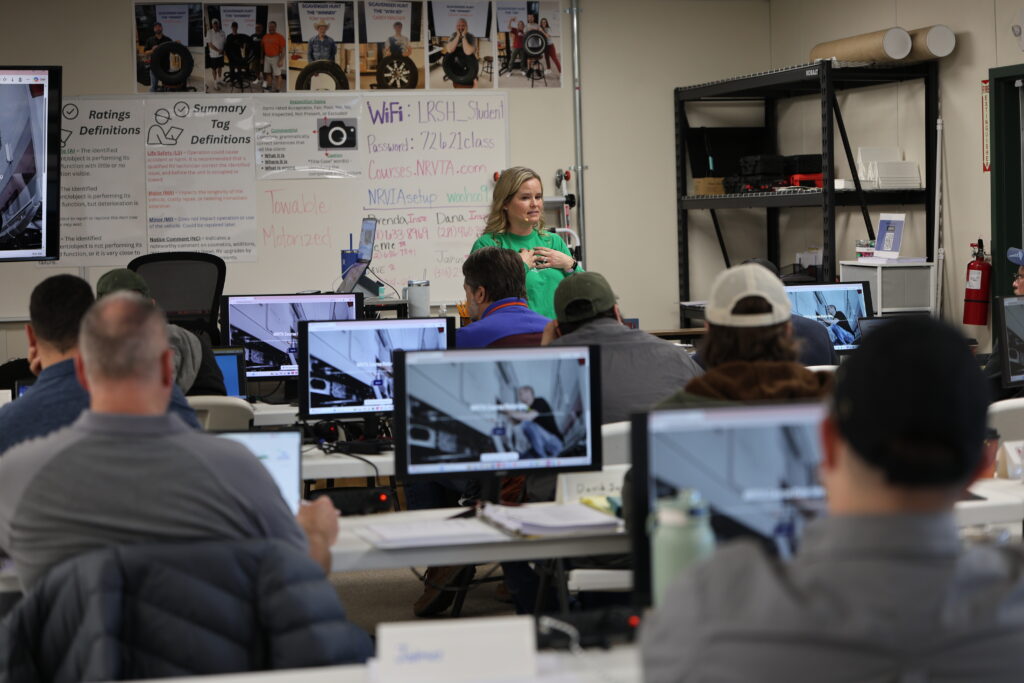
A strong foundation includes:
- Twelve-volt DC electrical systems
- One-hundred-twenty-volt AC electrical systems
- Propane systems
- Plumbing and water systems
- RV refrigerators
- Air conditioners
- Water heaters
- Furnaces
- Fire and life safety
- RV exteriors and running gear
This knowledge helps an inspector distinguish between normal operation, a maintenance concern and an item that may require further evaluation by a qualified technician.
2. Complete Hands-On RV Inspector Training
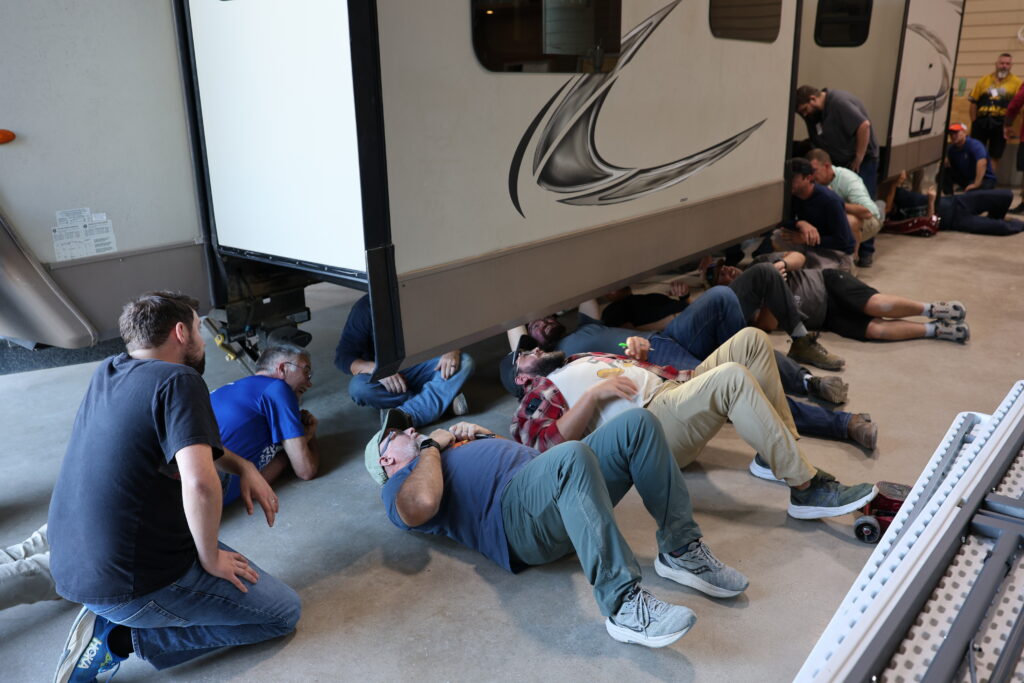
NRVTA’s RV Inspector Training is currently listed as a three-week, 128-hour program. The training path includes RV Fundamentals, Principles of an RV Inspection, Advanced RV Inspector Training and preparation for the NRVIA Certified RV Inspector examination.
The Principles of an RV Inspection course focuses on assessment, diagnostic analysis and report preparation. NRVTA currently states that students complete two full RV inspections as part of the hands-on training.
Program details, dates and requirements can change, so prospective students should confirm the current information with an NRVTA student advisor.
3. Learn Professional Inspection and Reporting Procedures
An inspection is only as useful as the report delivered to the client. Inspector training should address:
- Establishing and following an inspection scope
- Using agreements and setting client expectations
- Following a consistent inspection process
- Recording observations accurately
- Taking useful photographs
- Distinguishing observations from opinions
- Identifying items that require further evaluation
- Producing a clear and organized report
- Protecting customer information and property
Inspectors should avoid making claims that go beyond what they observed or what their inspection agreement covers.
4. Prepare for NRVIA Certification
NRVTA provides the required education and exam preparation, but NRVIA administers the certification testing and issues the Certified RV Inspector credential.
NRVIA currently states that candidates must complete the required inspector training, successfully pass its certification examinations and maintain an active NRVIA membership. Certified inspectors must also follow the association’s current standards and professional requirements.
Candidates should verify all current testing, membership and renewal requirements directly with NRVIA.
5. Build Experience and Continue Learning
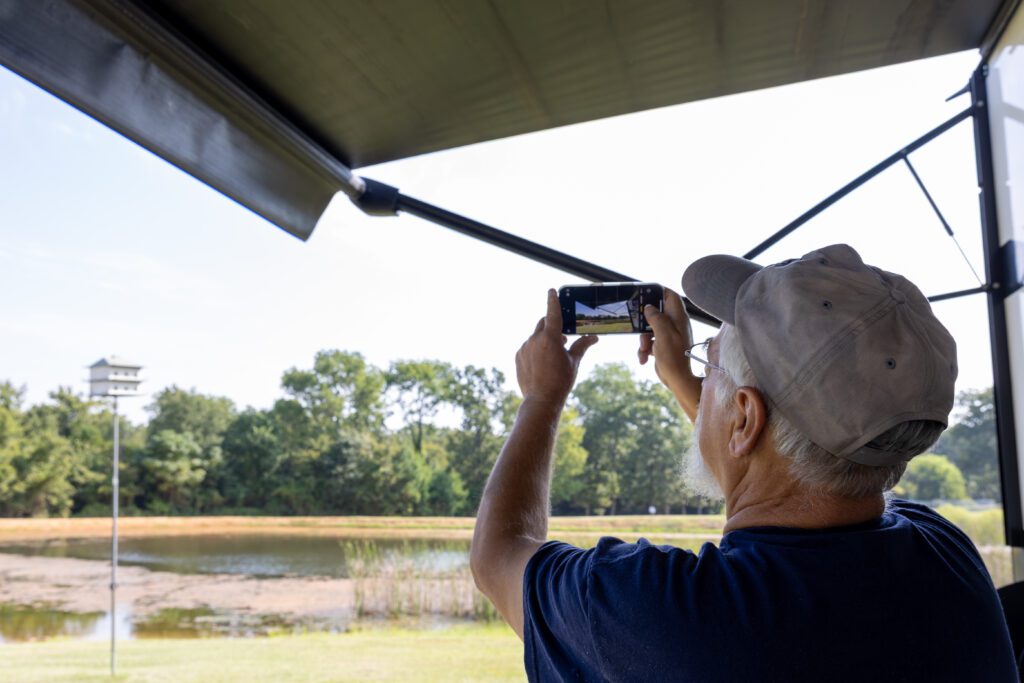
Completing training and passing an exam create a foundation, but experience remains important. RVs vary by manufacturer, age, construction method, installed equipment and previous maintenance.
Inspectors should continue studying RV systems, manufacturer documentation, reporting practices and industry standards. They should also recognize limitations involving access, weather, safety, time and systems that cannot be operated during an inspection.
Can You Start an RV Inspection Business?
Some certified inspectors operate independent businesses and work directly with buyers, sellers or other clients. Others may pursue opportunities involving inspection companies, dealerships, warranty providers, financial organizations or related industries.
Training and certification do not guarantee clients, revenue or business success. Starting an inspection business may also require:
- Choosing and registering a business structure
- Confirming local licensing requirements
- Obtaining appropriate business and professional insurance
- Purchasing inspection tools and reporting software
- Developing inspection agreements and procedures
- Setting prices based on scope, travel and business expenses
- Establishing payment and recordkeeping systems
- Marketing services and building referral relationships
- Protecting client information and inspection records
Requirements vary by location and business model. Prospective owners should consult the appropriate legal, insurance, tax and licensing professionals.
What Skills Help RV Inspectors Succeed?
Technical knowledge is important, but inspectors also rely on professional and communication skills. Helpful qualities include:
- Strong attention to detail
- A consistent and organized process
- Clear written communication
- Useful photography and documentation
- Time management
- Professional independence
- Careful adherence to a defined scope
- Respect for the RV and the client’s information
- A willingness to continue learning
An inspector’s responsibility is to document observed conditions clearly, not to persuade the client to purchase or reject the RV.
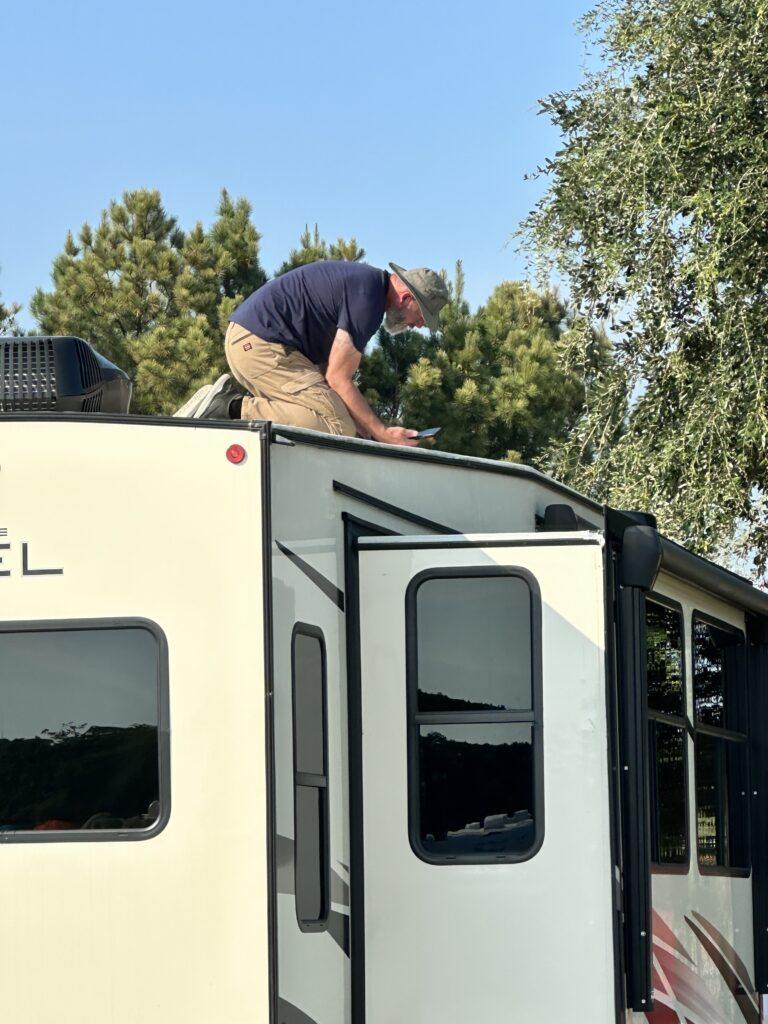
Do RV Inspectors Repair the Problems They Find?
An inspection and a repair service have different purposes. The inspector evaluates and reports. A technician diagnoses and repairs.
An individual may hold both inspector and technician credentials, but the services should remain clearly separated. Inspectors should follow NRVIA’s current standards, code of ethics and requirements concerning independence and conflicts of interest.
Frequently Asked Questions About Becoming an RV Inspector
How long does it take to become an RV inspector?
NRVTA currently lists its RV Inspector program as three weeks and 128 hours. The program includes foundational RV systems training, inspection education, advanced inspector training and exam preparation. Testing and association requirements are separate components of earning and maintaining the NRVIA credential.
Do I need previous RV experience?
Previous RV ownership, mechanical experience or inspection experience may be helpful, but students can begin by learning the fundamentals. They should be prepared for classroom instruction, hands-on system evaluations, report writing and certification testing.
Does NRVTA certify RV inspectors?
NRVTA provides RV systems and inspector training along with exam preparation. NRVIA administers the certification exams and issues the Certified RV Inspector credential.
Can an RV inspector guarantee that an RV has no problems?
No. An inspection documents accessible and observable conditions within the agreed scope at a particular time. It cannot eliminate all risk or predict every future failure.
Is becoming an RV inspector the same as becoming an RV technician?
No. Inspectors evaluate and report, while technicians diagnose and repair. The roles share foundational systems knowledge but require different procedures, responsibilities and professional boundaries.
Take the First Step Toward RV Inspector Training
Learning how to become an RV inspector begins with understanding RV systems and learning how to perform a consistent, independent evaluation. If that work fits your interests, review NRVTA’s RV Inspector Training and speak with a student advisor about current requirements, schedules and certification preparation.
You can also compare all NRVTA Training Programs to see how the inspector path differs from technician and owner-focused education.


Get Registered Today!
Talk to a student advisor to learn more!