
LEARN and EARN!
Get your RV Technician Certification in as little as 5 weeks!

Nothing can derail a camping trip faster than an RV generator that refuses to cooperate. You press the start button and hear…nothing. Maybe it cranks but won’t fire. Maybe it starts, runs for thirty seconds, and then shuts down. Or maybe it sounds like it’s running perfectly, but your air conditioner still won’t come on.
If you’ve experienced any of those situations, you’re not alone. Generator problems are among the most common issues RV owners face, but they’re rarely as serious as they first appear. In fact, many repairs begin with something surprisingly simple—old fuel, low oil, a weak battery, or a maintenance item that’s been overlooked.
After you’ve worked on enough generators, you begin to notice a pattern: they almost always leave clues. The trick is knowing what those clues mean.
Think of troubleshooting like detective work. Every symptom points you toward a cause, and the more clues you gather before replacing parts, the more likely you are to find the real problem.
Whether you’re troubleshooting your own RV or simply want to understand how your generator works, this guide will help you diagnose the most common problems before they become expensive repairs.
Quick Answer: What Causes Most RV Generator Problems?
Most RV generator problems come down to a handful of common issues: stale fuel, low engine oil, weak batteries, clogged carburetors, dirty air or fuel filters, or lack of routine maintenance. Before assuming your generator needs an expensive repair, spend a few minutes checking these basics first. In many cases, the solution is much simpler than RV owners expect.
What Are the Most Common RV Generator Problems?
Most generator issues fall into one of these categories:
- The generator won’t start.
- It starts but shuts off after a few seconds.
- It runs but doesn’t produce electricity.
- It surges or runs rough.
- It shuts down when appliances are turned on.
- It overheats.
- It displays a fault code.
The symptom is often the biggest clue. Rather than replacing parts and hoping for the best, identify exactly what the generator is doing. A systematic approach almost always saves time, money, and frustration.
Why Won’t My RV Generator Start?
This is probably the most common generator complaint RV service technicians hear. Before assuming the generator has suffered a major failure, spend a few minutes checking the basics. Time and again, owners discover the problem is something simple that can be fixed without replacing expensive parts.
Most onboard generators stop drawing fuel when the RV’s fuel tank drops below one-quarter full. That isn’t a defect—it’s a safeguard that prevents you from accidentally running your motorhome out of fuel.
Low engine oil is another common culprit because most generators automatically shut themselves down to prevent engine damage.
A weak battery can also keep the starter from cranking the engine fast enough to fire.
If there’s one issue that surprises RV owners more than any other, it’s stale fuel.
Generators that sit for months between camping trips often develop varnish inside the carburetor as gasoline ages and evaporates. It’s common to hear someone say, “It ran perfectly when we parked it last fall.” By spring, those tiny fuel passages may already be partially clogged.
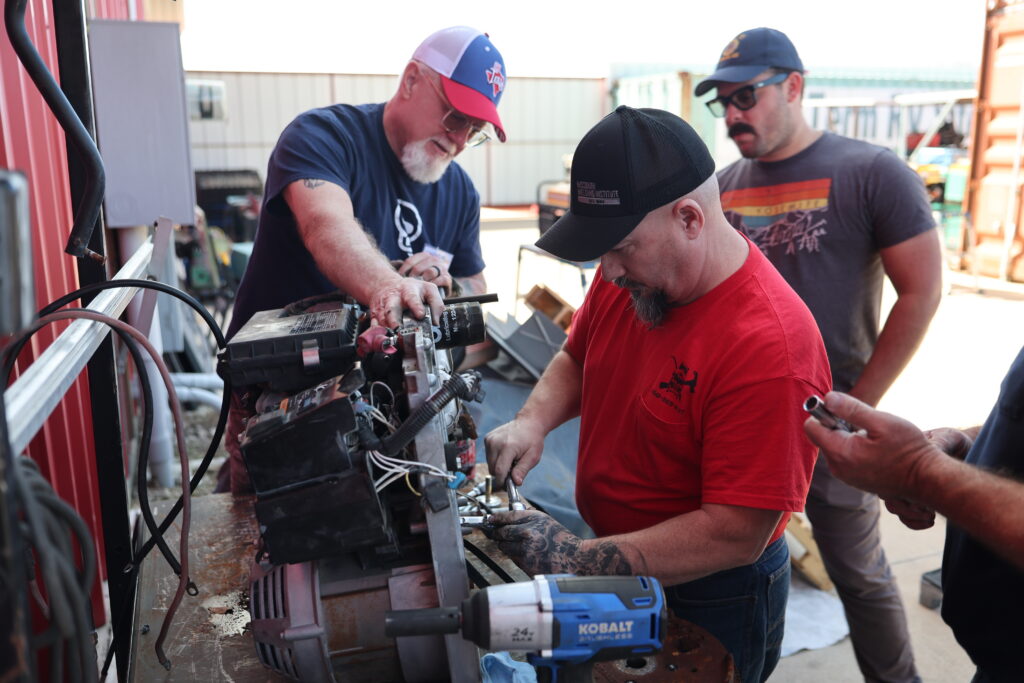
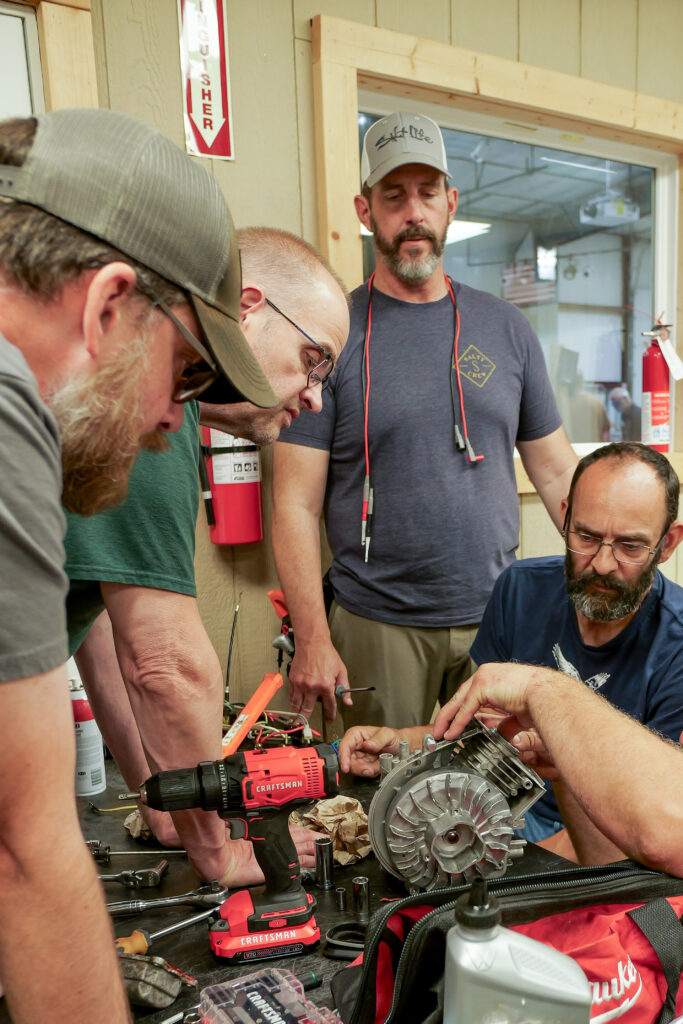
At NRVTA, instructors regularly see generators arrive in class that owners believed needed major repairs. More often than not, technicians discover stale fuel, overdue maintenance, or a simple electrical issue—not a failed generator.
During hands-on training, instructors often point out how quickly modern gasoline can create problems in equipment that sits unused. A generator doesn’t have to sit for years. Even one season in storage can clog small carburetor passages, which is why regular exercise is just as important as routine maintenance.
Before replacing expensive components, always rule out the simple things first.
Why Does My Generator Start but Then Shut Off?
This is one of those problems that can send owners down the wrong path. The generator starts normally, so it feels like everything is working—until it suddenly shuts off. Fortunately, the timing of the shutdown usually provides the biggest clue.
Most generators protect themselves from damage. Low oil pressure, restricted cooling airflow, or overheating can all trigger an automatic shutdown.
Fuel delivery problems create similar symptoms. The engine burns the fuel already inside the carburetor, but once that supply is gone, it begins starving for fuel and shuts down.
Experienced technicians usually begin by asking one simple question:
“When does it shut off?”
If the engine dies before you turn anything on, you’re probably dealing with an engine or fuel issue.
When the shutdown happens only after the air conditioner starts, your attention should shift toward electrical load or generator capacity.
That single question often cuts the troubleshooting process in half.
Why Is My RV Generator Running but Not Producing Power?
This situation can be confusing because everything sounds normal.
The engine starts easily and settles into a smooth idle. Unfortunately, nothing inside the RV powers up.
Before assuming you’ve lost a voltage regulator or generator winding, check the simple items first.
Start by checking the generator’s circuit breaker.
Next, verify that the automatic transfer switch is operating correctly.
If your RV requires plugging the shore power cord into the generator receptacle, make sure that connection hasn’t been overlooked.
Finally, inspect the wiring for loose electrical connections.
Only after eliminating these possibilities should you begin investigating more complex electrical components.
Why Does My Generator Surge or Run Rough?
A generator that constantly speeds up and slows down—or sounds like it’s hunting for the correct RPM—is usually telling you it isn’t receiving a steady fuel supply.
Another common cause is lack of regular use.
Manufacturers build generators to run regularly. When they sit unused for six or eight months, fuel begins breaking down. As it deteriorates, it leaves deposits inside the carburetor that restrict fuel flow.
It’s amazing how many generators that appear to have “major problems” simply need the fuel system cleaned after sitting too long.
Dirty air filters, contaminated fuel, clogged fuel filters, or vacuum leaks can also contribute, but stale fuel is one of the first things experienced technicians investigate.
Why Does My Generator Shut Down When I Turn On the Air Conditioner?
We’ve seen plenty of RV owners assume their generator is failing, when the real issue was that the air conditioner demanded more power than the generator could supply.
The air conditioner is usually where this becomes obvious.
When the compressor starts, it draws a significant burst of power. If the generator is already operating near its maximum capacity—or if engine performance has declined because of a maintenance issue—that extra demand may be enough to shut it down.
Restricted fuel delivery, overheating, or voltage regulation problems can produce similar symptoms.
Pay close attention to when the shutdown occurs. The timing often tells you as much as the symptom itself.
Signs Your RV Generator Needs Immediate Repair
You can solve many generator problems with basic troubleshooting. However, some symptoms deserve immediate attention.
Stop using the generator and contact a qualified RV technician if you notice:
- Fuel or oil leaking from the generator compartment.
- Thick black, blue, or white exhaust smoke.
- A burning electrical smell.
- Loud knocking, grinding, or metal-on-metal noises.
- The generator repeatedly trips breakers.
- Unstable voltage that causes lights to flicker.
- Fault codes that return after troubleshooting.
These symptoms often indicate mechanical wear, electrical failures, or safety hazards that require specialized diagnostic equipment.
How to Prevent RV Generator Problems
One of the biggest lessons experienced RV technicians learn is that generators prefer to be used rather than ignored.
Exercise your generator every month under roughly a 50% electrical load for about two hours, just as most manufacturers recommend. Regular operation circulates oil, removes moisture from electrical windings, lubricates seals, and helps prevent fuel varnish from forming inside the carburetor.
A few simple habits go a long way toward preventing unexpected breakdowns:
- Exercise the generator every month.
- Change the oil according to the manufacturer’s schedule.
- Replace dirty air and fuel filters.
- Also inspect battery cables for corrosion.
- Before storing the RV, use fresh fuel or add a fuel stabilizer.
- Finally, keep cooling vents clean and unobstructed.
At NRVTA, it’s not unusual to see a twenty-year-old generator still running strong because the owner exercised it regularly. On the other hand, instructors also see relatively new generators develop fuel problems after sitting unused for a single season. Regular use remains one of the best ways to prevent generator problems.
RV Generator Troubleshooting Checklist: What to Check First
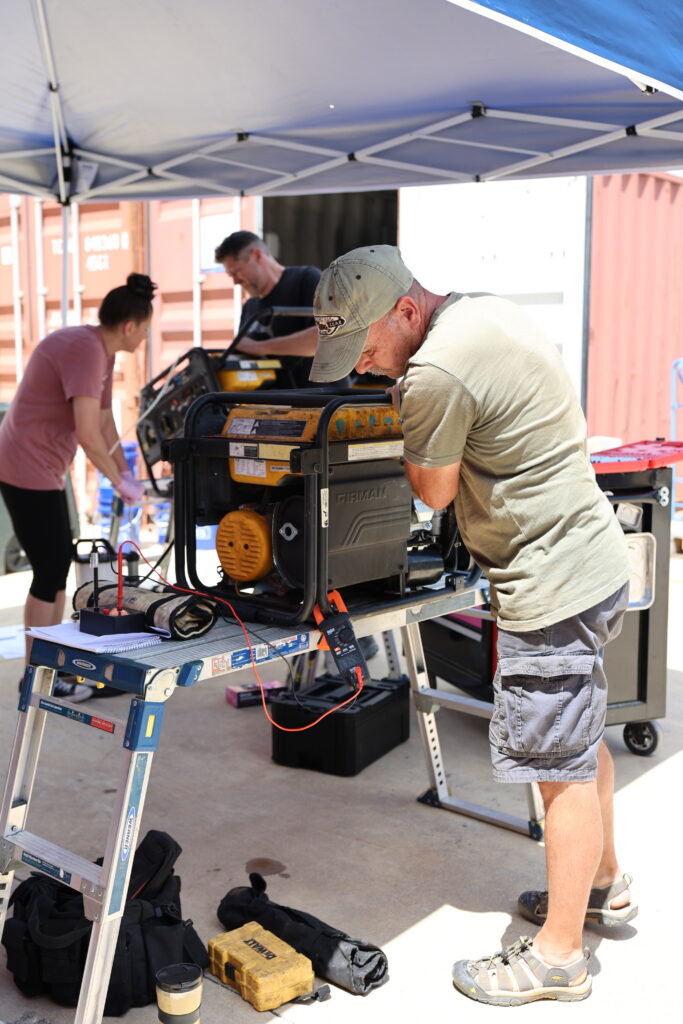
Before scheduling a service appointment, work through these basic checks:
✓ Fuel tank above one-quarter full
✓ Oil level correct
✓ Battery fully charged
✓ Circuit breaker reset
✓ Air filter clean
✓ Fresh fuel in the tank
✓ Battery connections clean and tight
✓ Cooling vents unobstructed
✓ Fault codes checked
These simple inspections solve more generator problems than many RV owners expect.
When Should You Call a Professional?
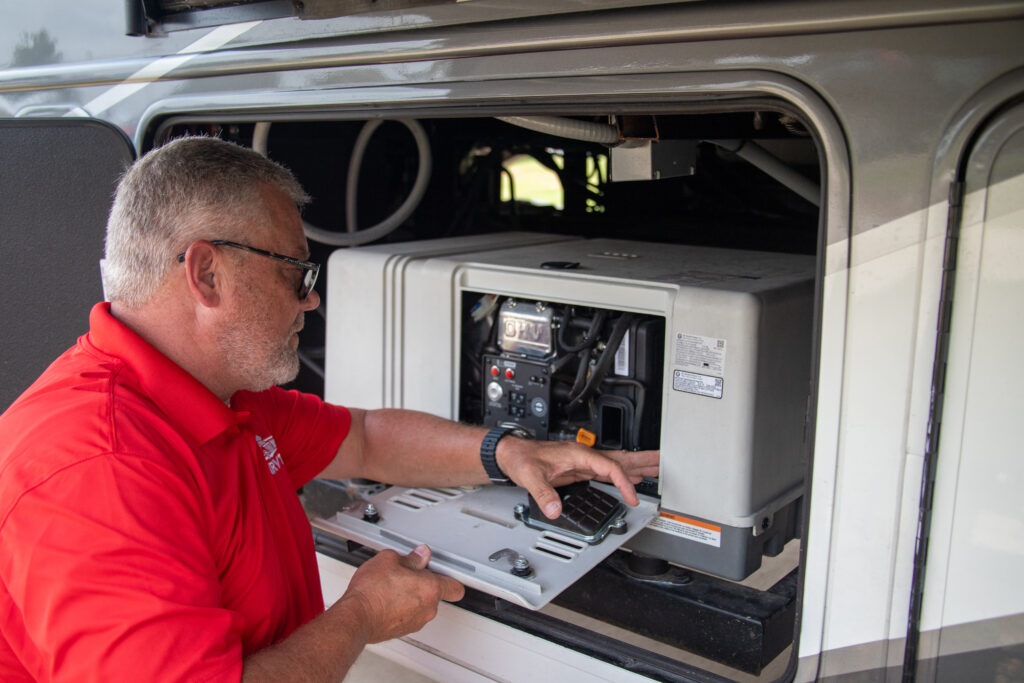
There’s nothing wrong with handling basic maintenance and troubleshooting yourself. In fact, understanding how your generator works can save both time and money. Eventually, however, some problems require specialized diagnostic equipment.
If you’ve worked through the basic checks and the problem still isn’t solved, professional service is usually the quickest path to a reliable repair.
Electrical testing, inverter repairs, voltage regulator replacement, and internal engine work generally aren’t do-it-yourself projects.
Learning More About RV Generator Systems
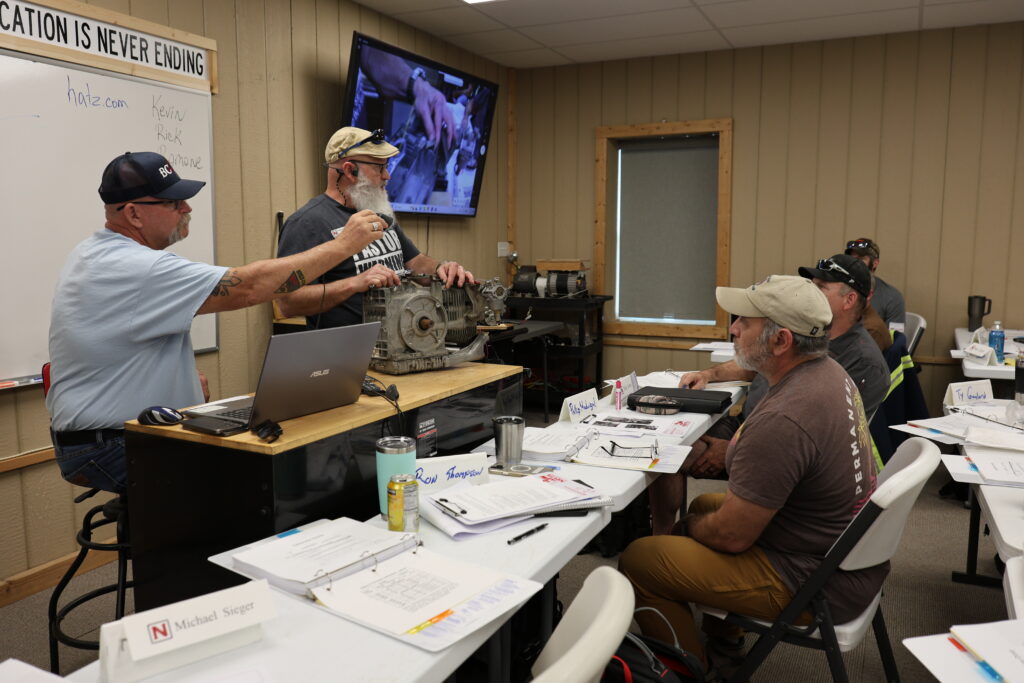
One of the best things about learning how generators work is that they stop feeling mysterious.
Instead of guessing, you’ll understand how fuel, air, ignition, and electrical output work together—and you’ll have a logical starting point whenever something isn’t right.
For RV owners who simply want to become more confident maintaining their own coach, the Educated RV Owner program offers practical, hands-on instruction.
If you’re interested in developing professional diagnostic skills, explore the Advanced Generator Technician program or browse all NRVTA Training Programs.
The Bottom Line
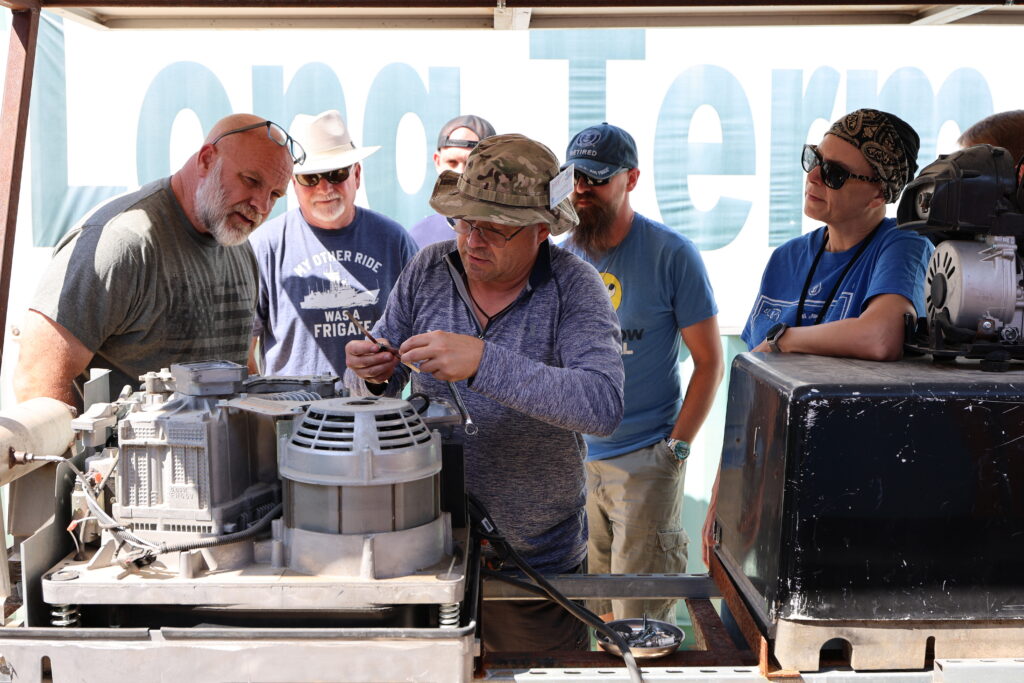
Every generator tells a story—you just have to know how to read the clues.
In our experience, most RV generator problems aren’t catastrophic failures. More often than not, stale fuel, neglected maintenance, or a small issue that went unnoticed causes them.
A methodical troubleshooting process almost always beats guessing which part to replace next. Start with the basics, pay attention to the symptoms, and let the generator guide your diagnosis.
Whether you’re maintaining your own RV or building the skills to help others, understanding how these systems work makes every trip a little more enjoyable—and every repair a little less intimidating.
Frequently Asked Questions
Why won’t my RV generator start?
In most cases, the cause is something relatively simple, such as low fuel, low oil, stale gasoline, a weak battery, or overdue maintenance.
Can an RV generator go bad from sitting?
Yes. Long periods without use allow fuel to deteriorate, carburetors to gum up, batteries to discharge, and seals to dry out.
Should I run my RV generator every month?
Yes. Exercising the generator under load each month is one of the best ways to improve reliability and prevent fuel system problems.
Why does my generator stop when I turn on the air conditioner?
The air conditioner’s startup load may exceed the generator’s available capacity, or the additional demand may expose an underlying fuel or performance issue.
Conclusion
Generators have a reputation for being complicated, but most problems follow a logical pattern. Once you understand how the system produces power—and learn to recognize the clues it gives you—troubleshooting becomes much less intimidating.
The best technicians don’t start by replacing parts. They start by asking the right questions, checking the basics, and following the evidence. That’s an approach every RV owner can use.
With regular maintenance, fresh fuel, and a little understanding of how your generator works, you’ll spend less time troubleshooting and more time enjoying your travels.


Get Registered Today!
Talk to a student advisor to learn more!