LEARN and EARN!
Get your RV Technician Certification in as little as 5 weeks!

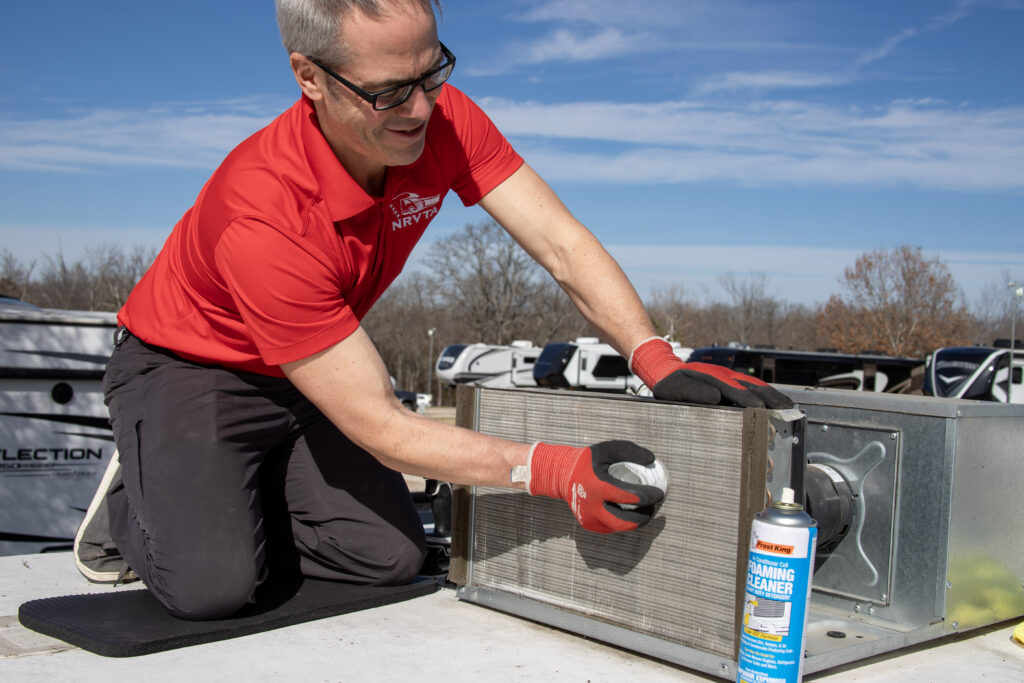
An RV technician diagnoses, services, maintains and repairs systems found in recreational vehicles. Unlike an automotive mechanic, an RV technician works on many of the systems you would expect to find in a vehicle and a home.
Depending on the technician’s training, experience and scope of work, a typical day could include:
- Diagnosing AC and DC electrical problems
- Troubleshooting plumbing and water-system issues
- Testing propane systems and appliances
- Servicing RV refrigerators, air conditioners, water heaters and furnaces
- Diagnosing electric or hydraulic slide-out and leveling systems
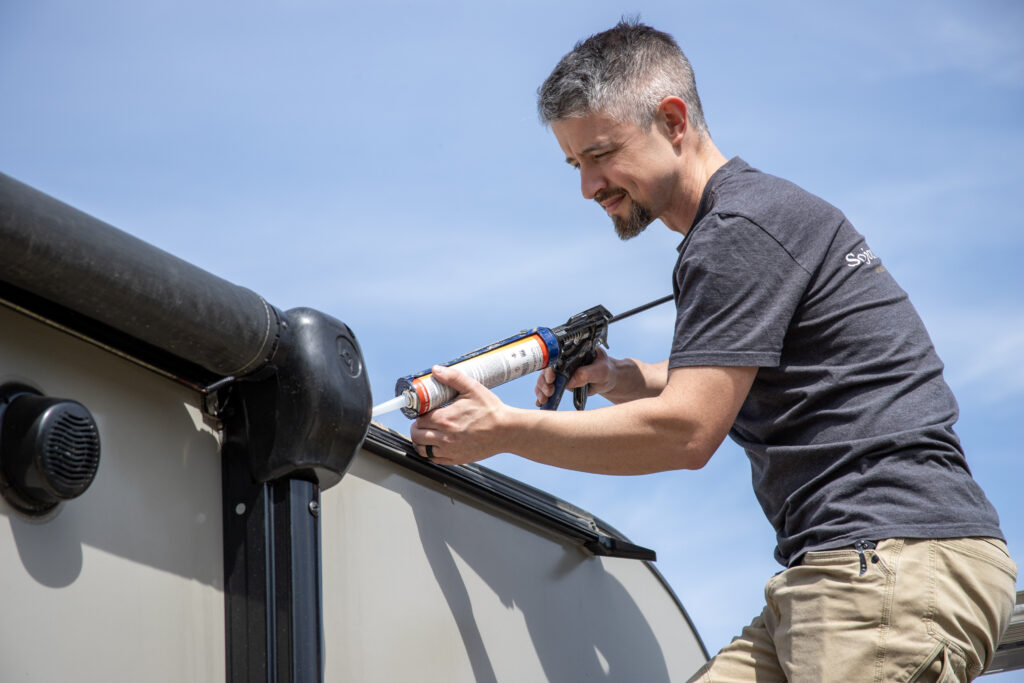
- Inspecting exterior components for damage or maintenance concerns
- Explaining repair findings and options to RV owners
Some technicians work for dealerships, repair facilities, manufacturers, suppliers or other RV-related businesses. Others operate mobile RV service businesses and travel to customers at homes, storage facilities or campgrounds.
Is There a Need for Trained RV Technicians?
RVs require regular maintenance, and their systems can develop problems whether the unit is new or has been on the road for years. The RV Industry Association reported in November 2025 that a shortage of trained RV service technicians continued across the United States as experienced workers left the field and too few trained workers were available to replace them.
That does not guarantee a job, a successful business or a particular income. It does, however, show why RV owners, dealerships and service businesses need people who understand how to diagnose and service RV systems properly.
Can You Become an RV Technician Without Experience?
You do not necessarily need previous professional repair experience to begin RV technician training. Many students start because they own an RV, enjoy working with their hands or want to explore a new line of work.
What matters is a willingness to learn, follow safety procedures and develop a methodical approach to troubleshooting. Instead of guessing or replacing parts until a problem disappears, a trained technician learns to understand how a system should operate, test it and use the results to identify the cause of the failure.
Mechanical or electrical experience can be helpful, but it does not replace RV-specific training. RVs have their own construction methods, power systems, appliances and safety considerations.
How to Become an RV Technician Step by Step
1. Learn the Fundamentals of RV Systems
The first step is learning how the major systems in an RV operate and interact. A strong foundation should include:
- Twelve-volt DC electrical systems
- One-hundred-twenty-volt AC electrical systems
- Propane systems
- Plumbing and water systems
- Refrigerators
- Air conditioners
- Water heaters
- Furnaces
- Fire and life safety
- RV weight and towing considerations
This foundation makes advanced troubleshooting easier because many RV problems involve more than one component or source of power.
2. Get Hands-On RV Technician Training
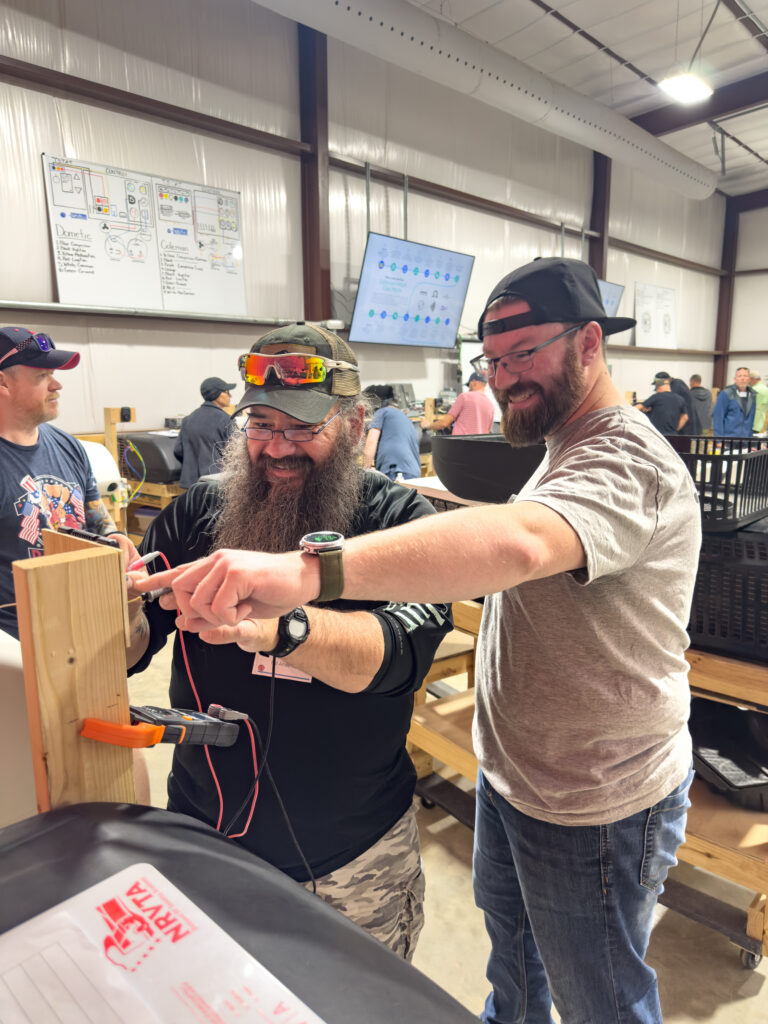
Reading manuals and watching videos can help explain a concept, but technicians also need experience using meters, reading diagrams, locating test points and working through real problems.
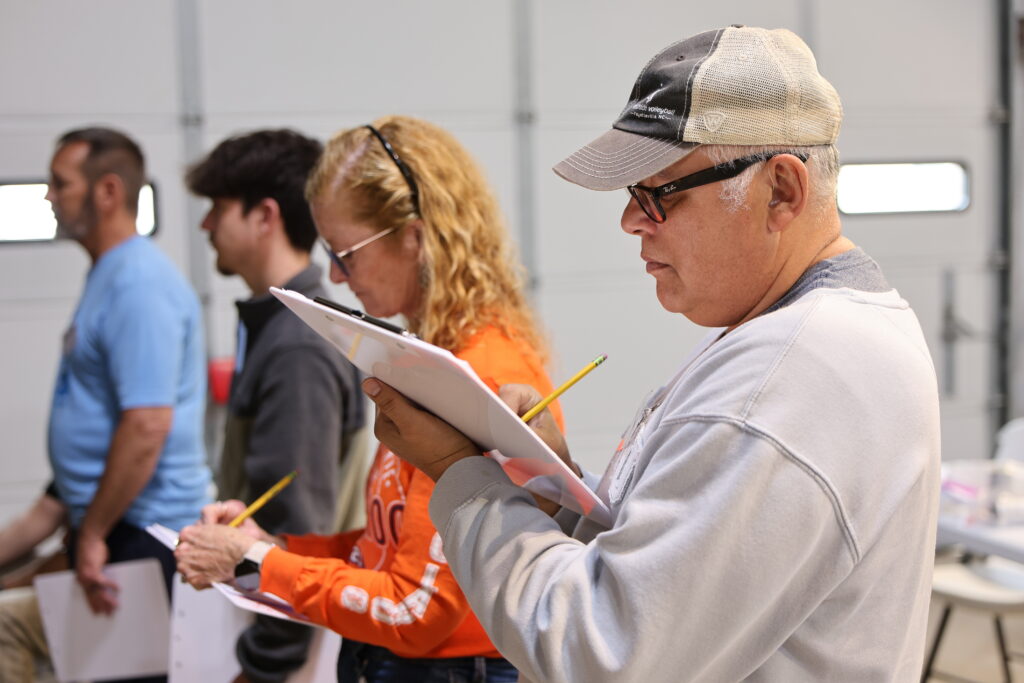
NRVTA’s RV Service Technician Training combines classroom instruction with hands-on labs. The advanced technician curriculum includes focused instruction involving air conditioners and heat pumps, exterior systems, slide-outs, leveling systems, absorption refrigerators, water heaters and furnaces.
Students practice diagnostic procedures on RV systems so they can learn why a problem is happening rather than simply memorizing a repair.
3. Complete the Training Path That Fits Your Goal
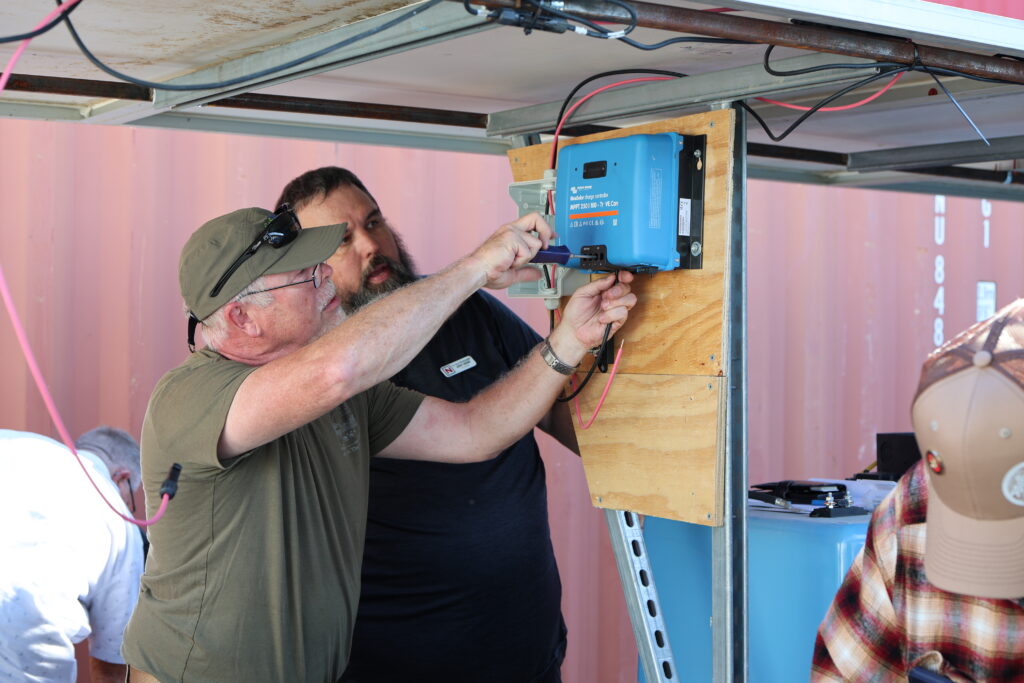
NRVTA offers different levels of technician education. RV Fundamentals provides an introduction to the major systems found in an RV. The Advanced RV Service Technician program builds on that foundation with more detailed diagnostic and repair instruction.
NRVTA currently lists the complete Advanced RV Service Technician program as five weeks and 188 hours. Program requirements, course dates and hours can change, so prospective students should confirm the current schedule with an NRVTA student advisor.
4. Prepare for RVTAA Certification
NRVTA provides training and exam preparation, but the professional technician credentials are issued by the RV Technician Association of America.
After completing the appropriate education, students may be eligible to take the applicable RVTAA examination. RVTAA certification testing evaluates the technical knowledge and hands-on competency required for the credential being pursued.
Maintaining a professional credential may also require active membership, continuing education or other association requirements. Students should verify current requirements directly with RVTAA.
5. Continue Learning in the Field
Completing a course is the beginning of professional development, not the end. RV equipment, controls and appliances continue to change, and technicians encounter situations that cannot all be recreated in a classroom.
Strong technicians continue reading manufacturer documentation, attending training, learning from experienced professionals and improving their diagnostic process. Knowing when a repair is outside your training or scope is also part of working responsibly.
Can an RV Technician Start a Mobile Business?
Some technicians choose to open mobile RV service businesses. Mobile work can allow a technician to serve customers at campgrounds, homes or storage locations without operating a traditional repair shop.
Training and certification alone do not create a business or guarantee that it will be profitable. A prospective owner may also need to address:
- Business registration and structure
- Local or state licensing requirements
- Business and professional insurance
- Tools, meters and diagnostic equipment
- Service agreements and customer authorization
- Pricing, invoicing and payment processing
- Taxes and recordkeeping
- Parts sourcing and warranty procedures
- Marketing and customer communication
Requirements vary by location and the services being offered. Prospective business owners should consult the appropriate legal, tax, insurance and licensing professionals before beginning work.
What Skills Help RV Technicians Succeed?
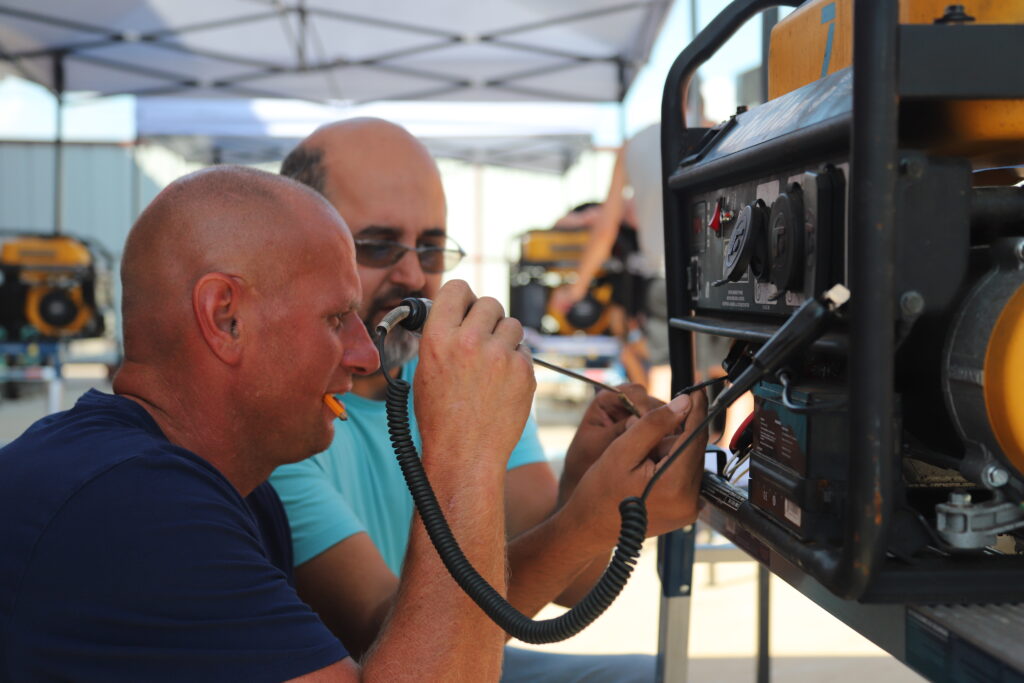
Technical knowledge matters, but it is only part of the job. Effective RV technicians also need:
- A logical and patient troubleshooting process
- Careful attention to safety
- Clear communication with customers
- Accurate documentation
- Respect for the customer’s RV and property
- A willingness to keep learning
- The judgment to stop when a repair requires different training or qualifications
Customers are often dealing with a disrupted trip, a disabled appliance or an RV they cannot safely move. Explaining the problem clearly and setting realistic expectations can be as important as completing the repair.
Is RV Technician Training Only for People Starting a Business?
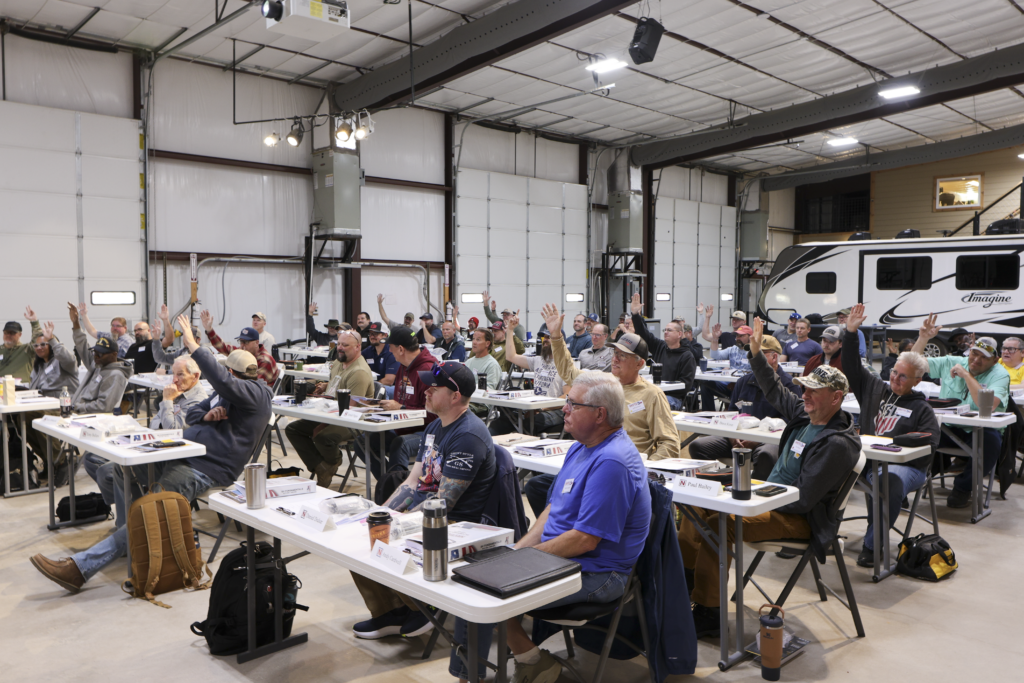
No. People pursue RV technician education for several reasons. Some want to work for an existing company. Some want to start a mobile service business. Others own an RV and want a deeper understanding of its systems.
RV owners who do not intend to work professionally may find RV Owner Training more appropriate. That path focuses on helping owners understand major RV systems, perform suitable maintenance and recognize when professional help is needed.
Frequently Asked Questions About Becoming an RV Technician
How long does it take to become an RV technician?
The answer depends on the level of training and credential being pursued. NRVTA currently lists its Advanced RV Service Technician program as five weeks and 188 hours. Certification testing and later professional development are separate from the training program.
Do I need mechanical experience?
Previous mechanical or electrical experience can be helpful, but it is not necessarily required to begin. Students should be prepared for classroom instruction, hands-on labs, technical diagrams, testing procedures and safety requirements.
Does NRVTA certify RV technicians?
NRVTA provides technician training and exam preparation. RVTAA administers the applicable certification testing and issues RVTAA technician credentials.
Can certification guarantee me a job or income?
No. Training and certification can demonstrate preparation and competency, but they do not guarantee employment, customers, business success or a specific level of income.
Can I work as a mobile RV technician?
Mobile service is one possible path. Business, licensing, insurance and service requirements vary by location, so prospective owners should research the rules that apply to them.
Take the First Step Toward RV Technician Training
Learning how to become an RV technician starts with understanding RV systems and developing a reliable troubleshooting process. If you are ready to explore hands-on education, review NRVTA’s RV Service Technician Training and connect with a student advisor about current courses, requirements and schedules.
You can also compare all NRVTA Training Programs to determine whether technician, inspector or owner-focused education best fits your goals.


Get Registered Today!
Talk to a student advisor to learn more!