LEARN and EARN!
Get your RV Technician Certification in as little as 5 weeks!

If you’ve been researching RV technician schools, chances are you’re asking a bigger question than where to get training.
You’re probably asking whether becoming an RV technician is actually worth it.
Maybe you’re looking for a career change. Perhaps you’re tired of sitting behind a desk and want to work with your hands. You may already be an RV owner who enjoys troubleshooting problems and has wondered whether those skills could become something more. Or maybe you’re simply exploring opportunities in a growing industry and trying to understand what an RV technician really does.
Whatever brought you here, you’re not alone.
As recreational vehicles have become more sophisticated, the need for people who understand how to diagnose, maintain, and repair them has grown as well. Today’s RVs combine electrical systems, plumbing systems, propane systems, refrigeration, heating and cooling equipment, solar technology, generators, electronics, and structural components into a single mobile platform. When something stops working, RV owners need someone who can identify the problem and restore the system safely and efficiently.
That “someone” is often a trained RV technician.
But does attending an RV technician school make sense in 2026? Is the training worth the investment of time and money? What do students actually learn? And what opportunities exist after completing training?
This guide answers those questions and provides a realistic look at what prospective students should know before enrolling in an RV technician training program.
What Does an RV Technician Actually Do?
Many people assume RV technicians spend their days replacing parts or performing routine maintenance.
The reality is often much more complex.
An RV technician is responsible for diagnosing, servicing, maintaining, and repairing the systems that make modern recreational vehicles functional and comfortable. Because RVs combine elements of residential construction, automotive systems, electrical systems, plumbing systems, heating and cooling equipment, and specialized appliances, technicians often need a broad understanding of multiple trades.
On any given day, an RV technician might:
- Troubleshoot an electrical problem preventing appliances from operating
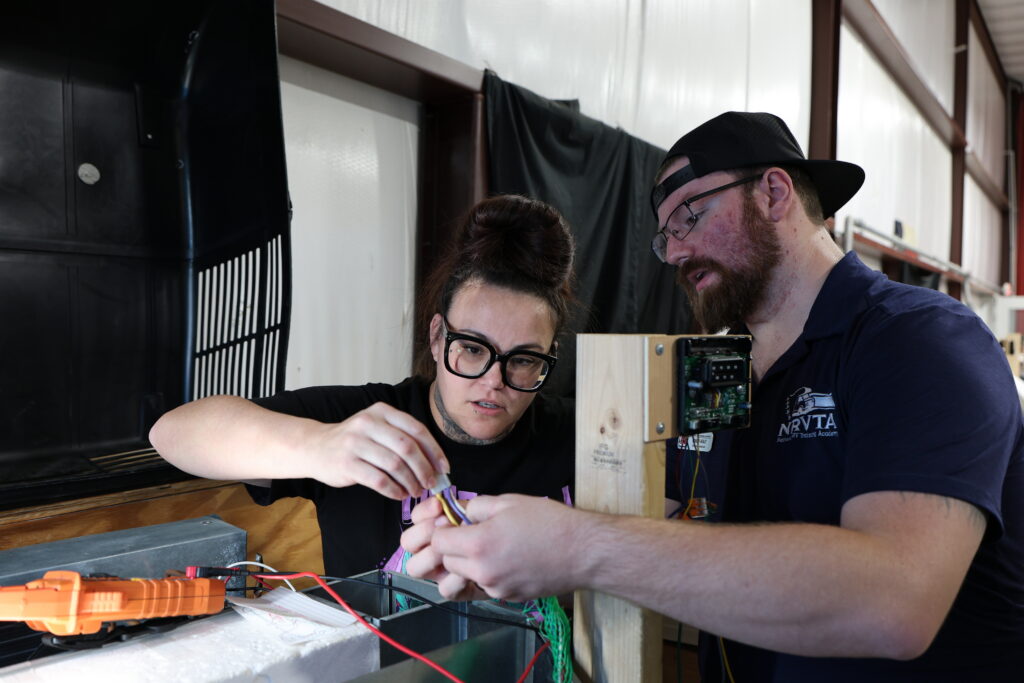
- Diagnose a propane system issue
- Repair a water leak
- Service an air conditioner
- Test a refrigerator cooling system
- Inspect a furnace or water heater
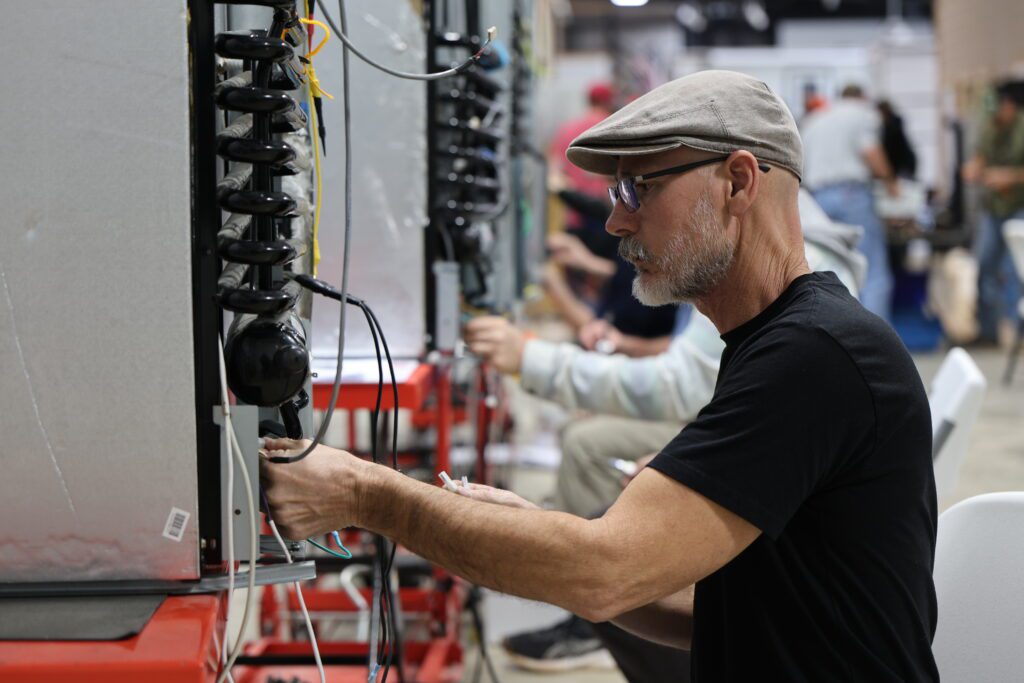
- Troubleshoot a slide-out mechanism
- Evaluate a solar charging system
- Diagnose generator performance issues
- Repair exterior components damaged by weather or wear
Unlike many trades that focus on a single specialty, RV technicians frequently work across several systems.
That variety is one of the reasons many people find the profession interesting. Every RV presents unique challenges, and no two days look exactly alike.
Why RVs Are More Complex Than Most People Realize
To understand the value of RV technician training, it helps to understand just how complicated modern RVs have become.
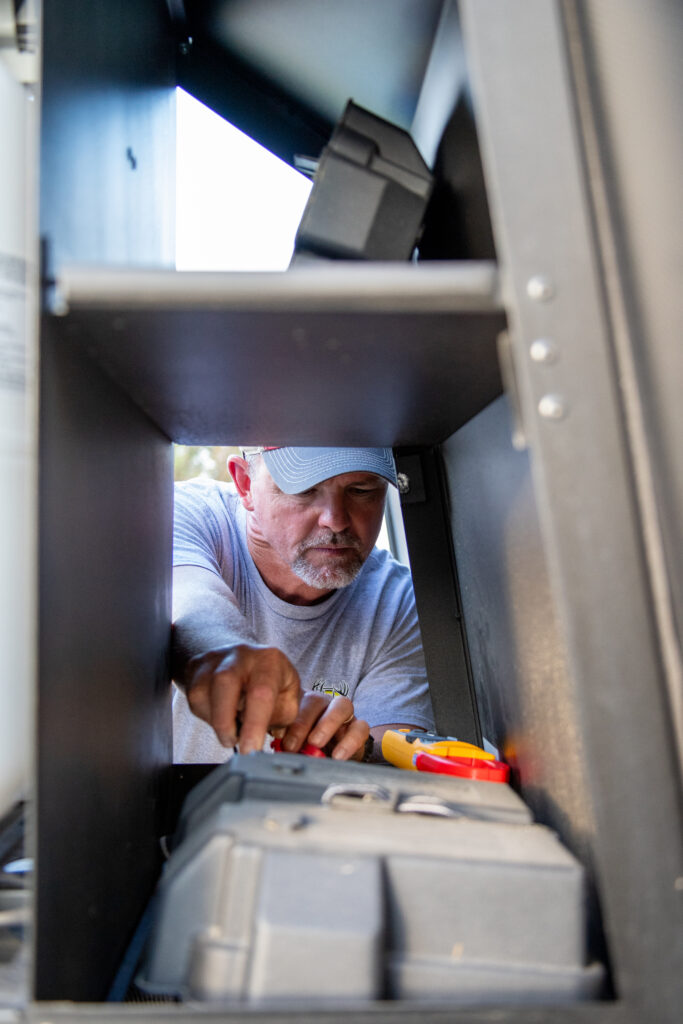
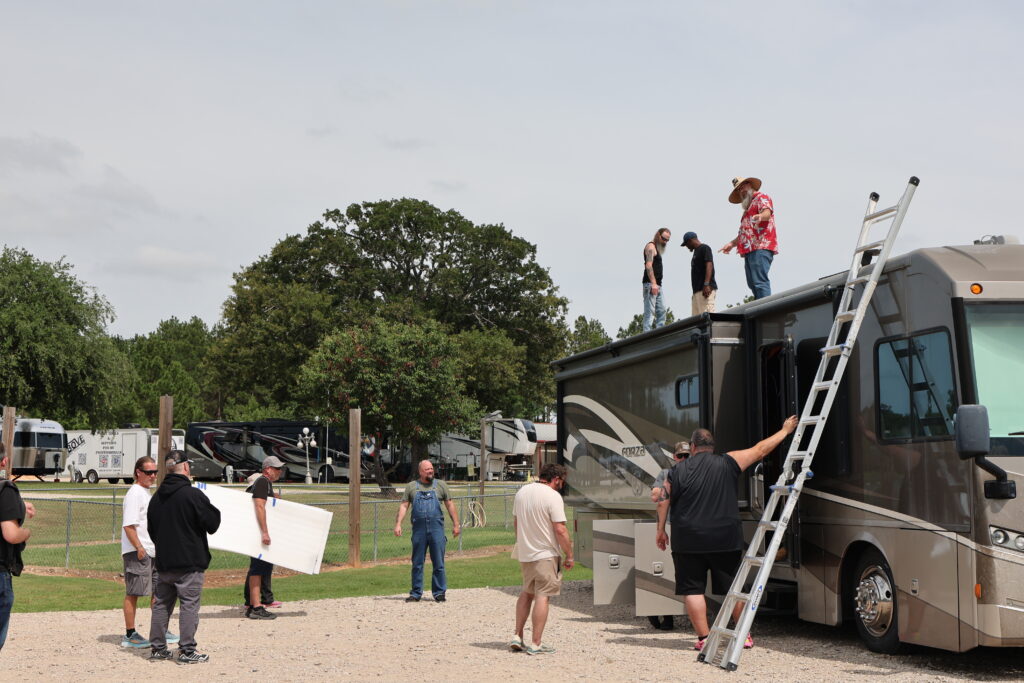
A typical travel trailer or motorhome may contain:
- 12-volt DC electrical systems
- 120-volt AC electrical systems
- Propane distribution systems
- Freshwater systems
- Wastewater systems
- Refrigerators
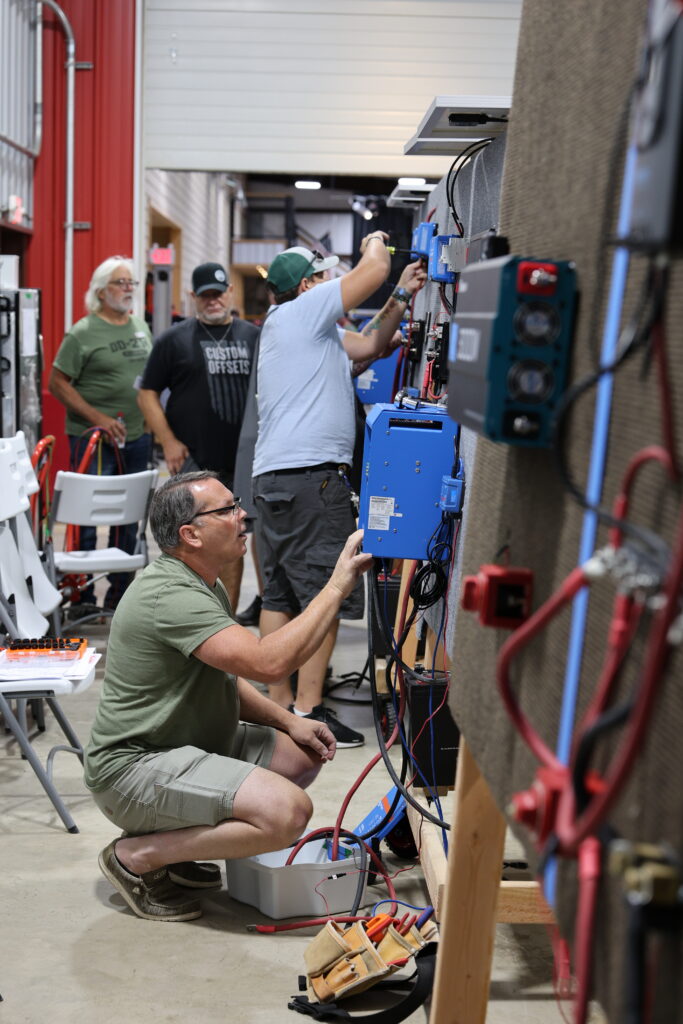
- Air conditioners
- Furnaces
- Water heaters
- Solar charging equipment
- Battery management systems
- Generators
- Hydraulic systems
- Electronic control boards
- Slide-outs
- Leveling systems
When one system fails, the cause isn’t always obvious.
For example, a refrigerator that won’t cool may not actually have a refrigerator problem. The root cause could involve electrical power, propane delivery, ventilation, battery voltage, control boards, or several other variables.
That’s why troubleshooting skills are often more important than simply knowing how to replace parts.
Professional training programs typically focus heavily on understanding how systems operate, how they interact, and how technicians can systematically identify the source of a problem rather than guessing.
Why People Are Considering RV Technician School in 2026
Not everyone who researches RV technician schools comes from the same background.
Students often fall into several categories.
Career Changers
Many students are looking for a new direction after spending years in another profession.
Some come from corporate careers. Others have worked in construction, manufacturing, transportation, maintenance, public service, or military-related occupations.
What many share is a desire for practical skills that solve real-world problems.
Existing Technicians
Some students already have technical experience.
Electricians, HVAC technicians, mechanics, maintenance professionals, and similar tradespeople often discover that RV systems present unique challenges and require specialized knowledge.
Formal RV training can help bridge those gaps.
RV Owners
A growing number of RV owners want to better understand their own equipment.
While not every RV owner plans to become a professional technician, many appreciate learning how systems function, how to diagnose problems, and how to perform routine maintenance.
Future Business Owners
Others are interested in eventually operating their own service business.
Many prospective students recognize that technical expertise is often the foundation upon which successful service businesses are built.
Before considering any business opportunity, however, it’s important to first develop the technical skills necessary to perform repairs safely and competently.
What Is RV Technician School?
An RV technician school is a training program designed to teach students how recreational vehicle systems operate and how to diagnose, maintain, and repair them.
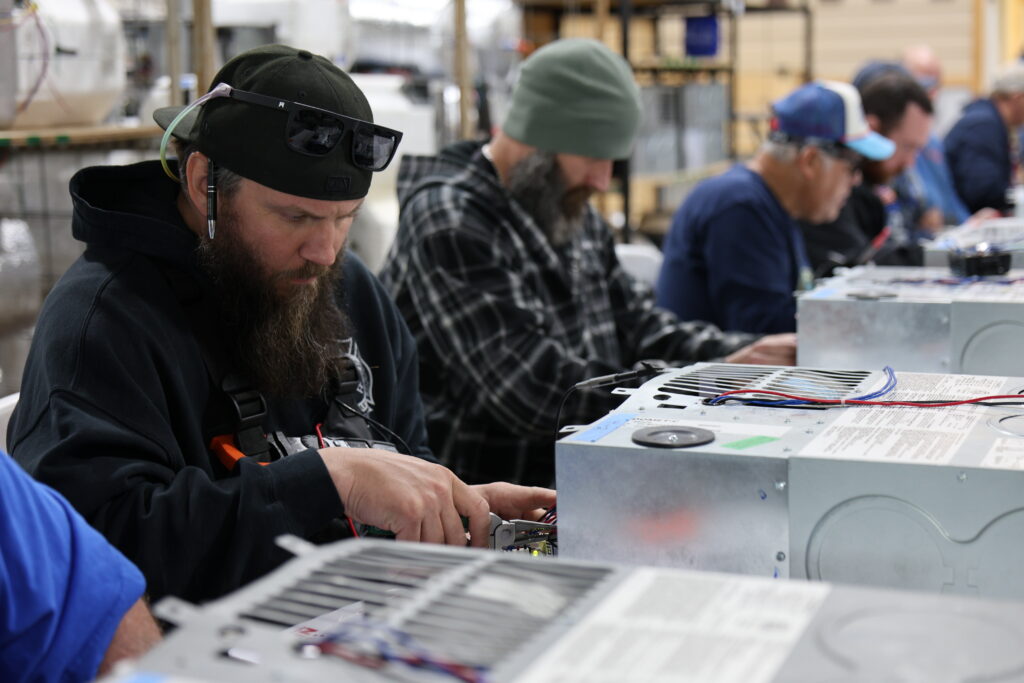
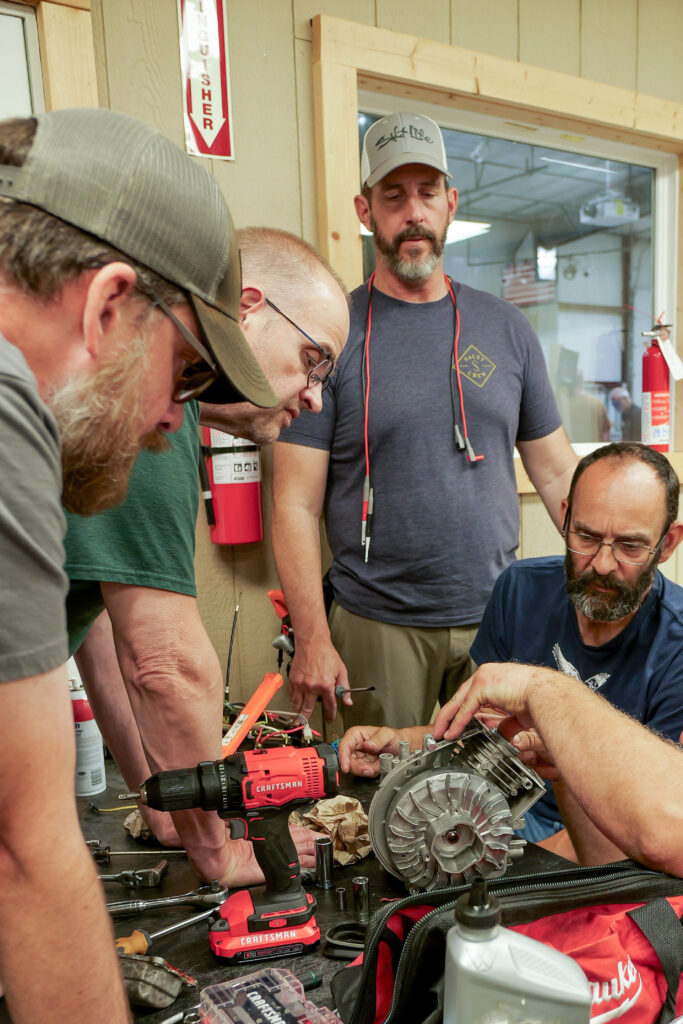
Programs vary significantly in length, structure, and depth.
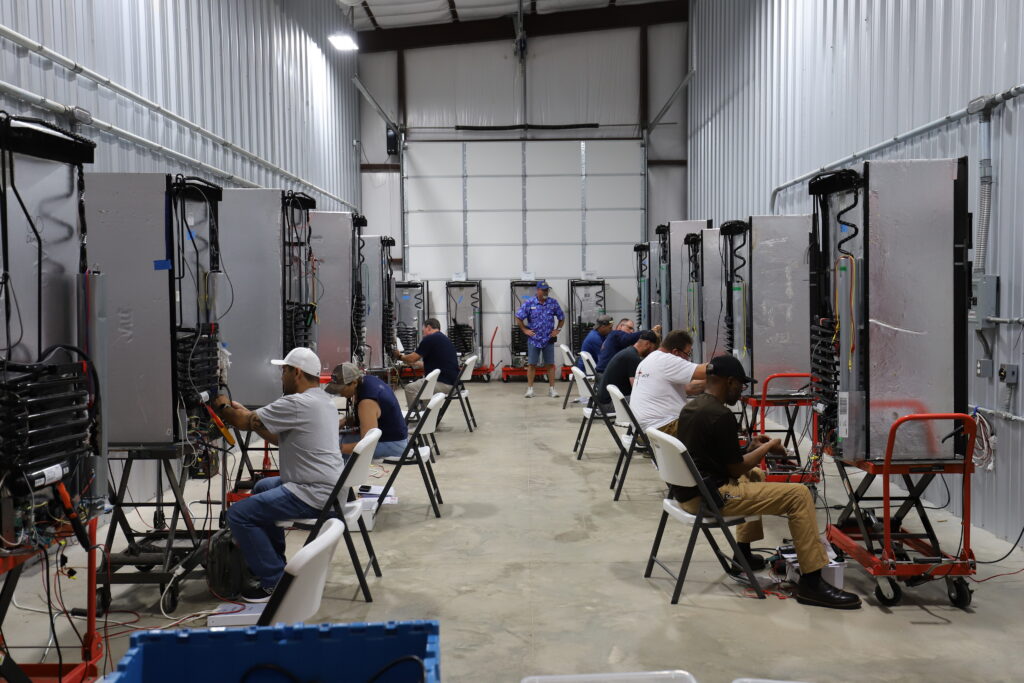
Some focus primarily on introductory concepts, while others provide more extensive training with substantial hands-on laboratory work.
The most effective programs generally combine several learning methods.
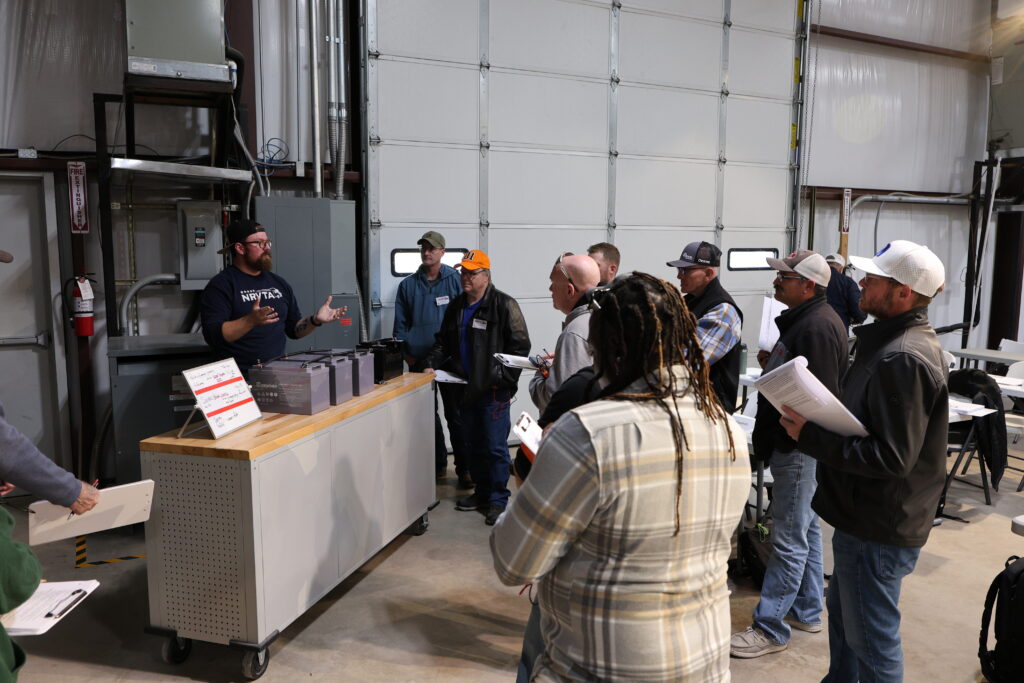
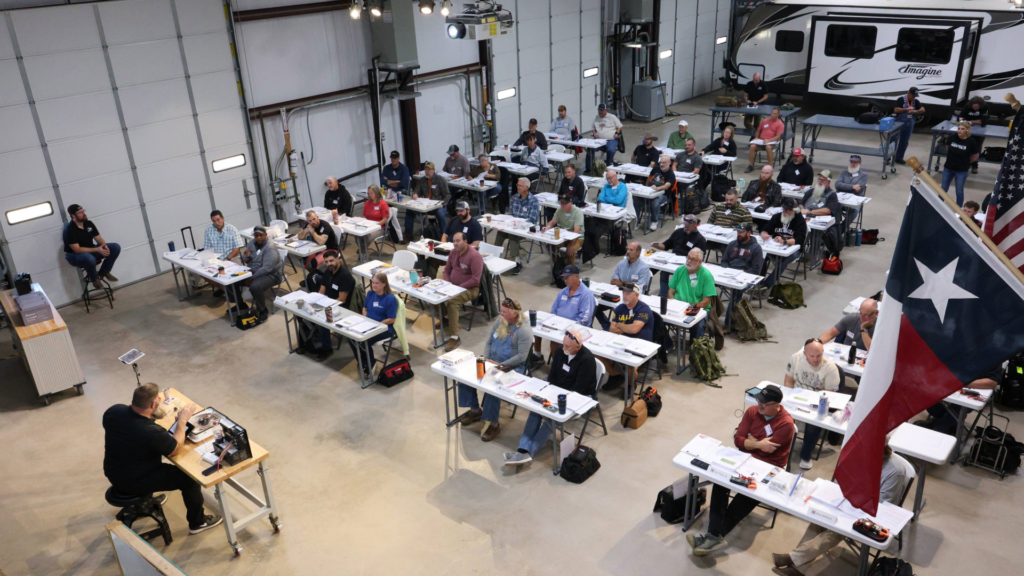
Classroom Instruction
Students learn the theory behind RV systems.
Topics may include:
- Electrical fundamentals
- Propane principles
- Water systems
- Appliance operation
- Safety procedures
- Diagnostic methodology
Understanding how systems are designed to operate is often the first step toward understanding how to troubleshoot them when they fail.
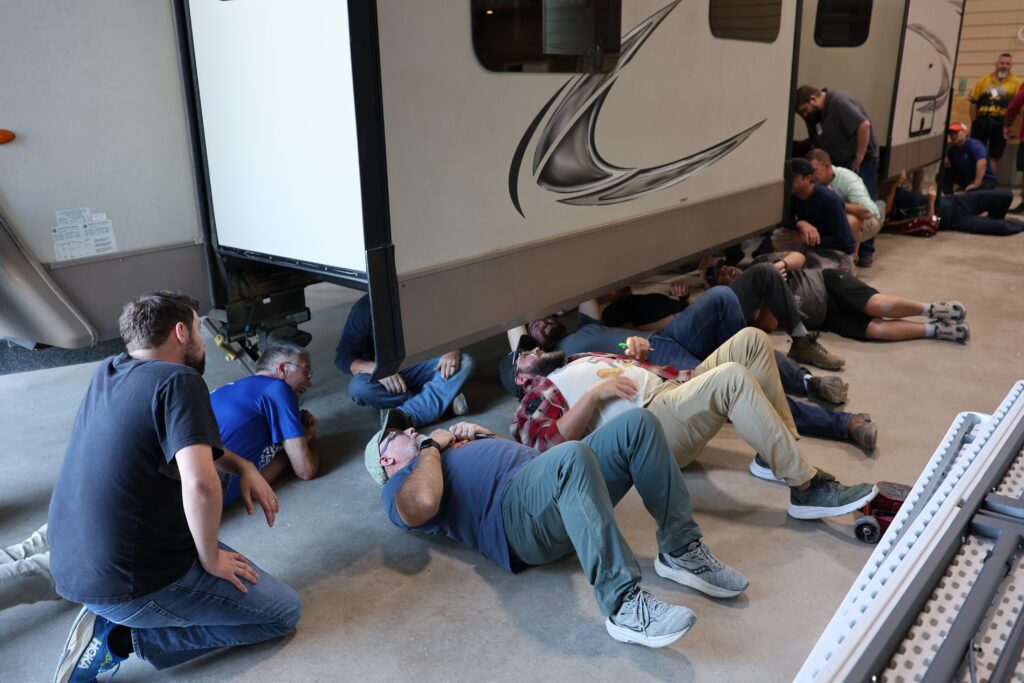
Hands-On Training
Reading about a system and working on one are very different experiences.
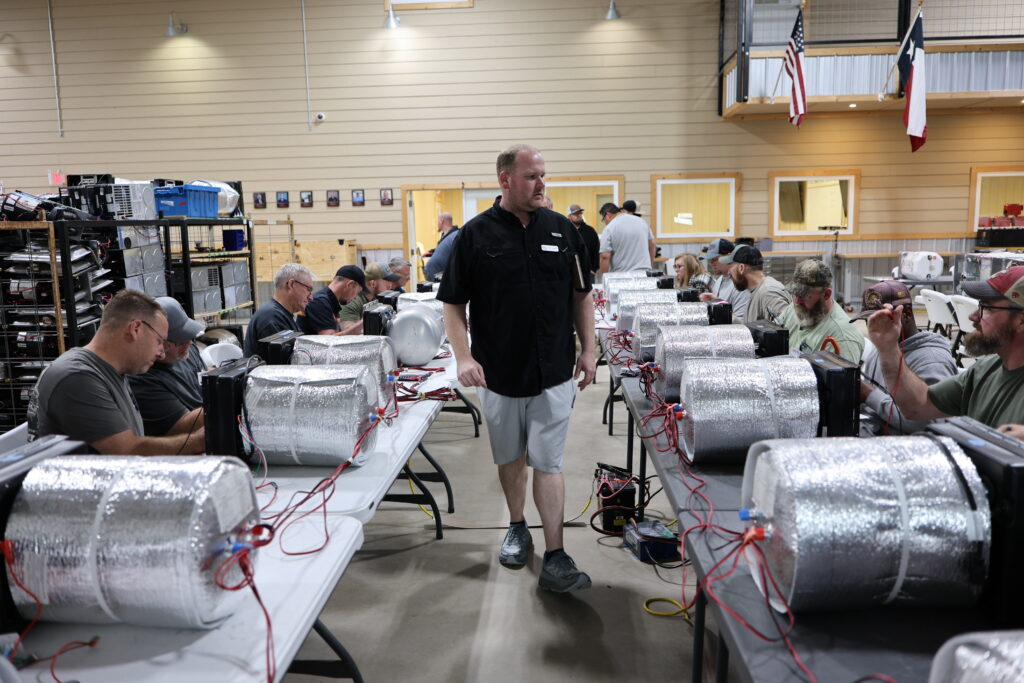
Hands-on labs allow students to:
- Use diagnostic tools
- Read wiring diagrams
- Test components
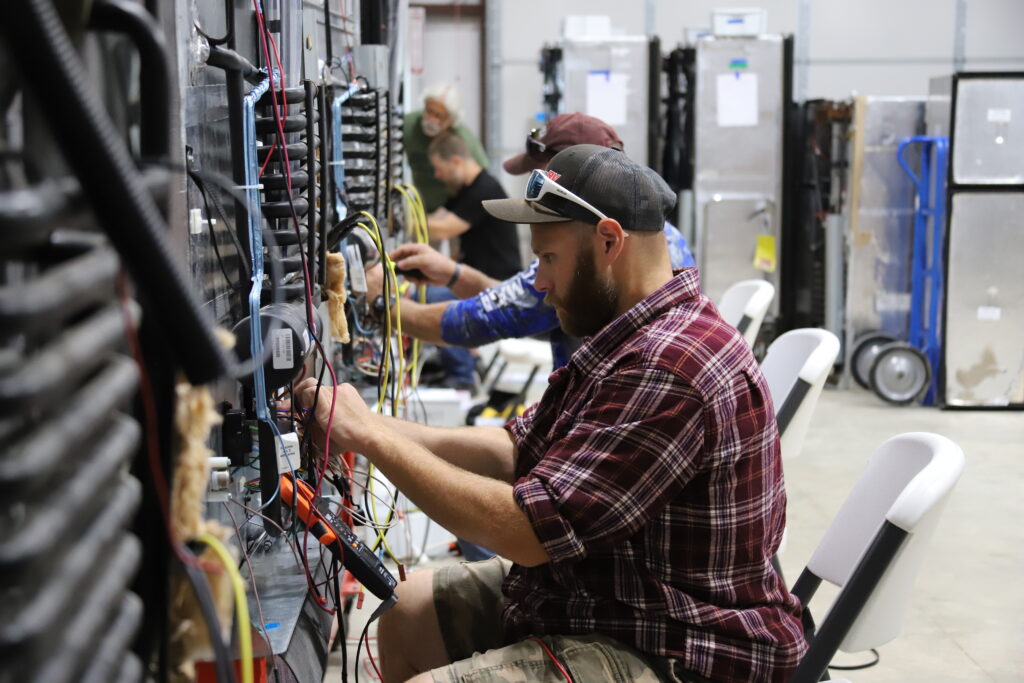
- Trace system faults
- Perform repairs
- Practice troubleshooting techniques
Many students consider hands-on training one of the most valuable aspects of an RV technician education.
Troubleshooting Exercises
Professional technicians are often paid for their ability to solve problems.
A structured troubleshooting process can help technicians identify root causes more efficiently while avoiding unnecessary parts replacement.
Learning how to think through a problem systematically is a critical skill that training programs seek to develop.
Certification Preparation
Some training programs also help students prepare for certification examinations administered by independent industry organizations.
It’s important to understand that training schools and certification organizations are often separate entities. Training programs may prepare students for certification pathways, but the certifications themselves are issued by the appropriate credentialing organizations.
What You’ll Learn in RV Technician School
One of the biggest questions prospective students ask is:
“What exactly will I learn?”
The answer depends on the program, but most comprehensive RV technician schools focus on the systems technicians encounter most frequently in the field.
RV Electrical Systems
Electrical systems are often considered one of the most important subjects in RV technician training.
Students typically learn:
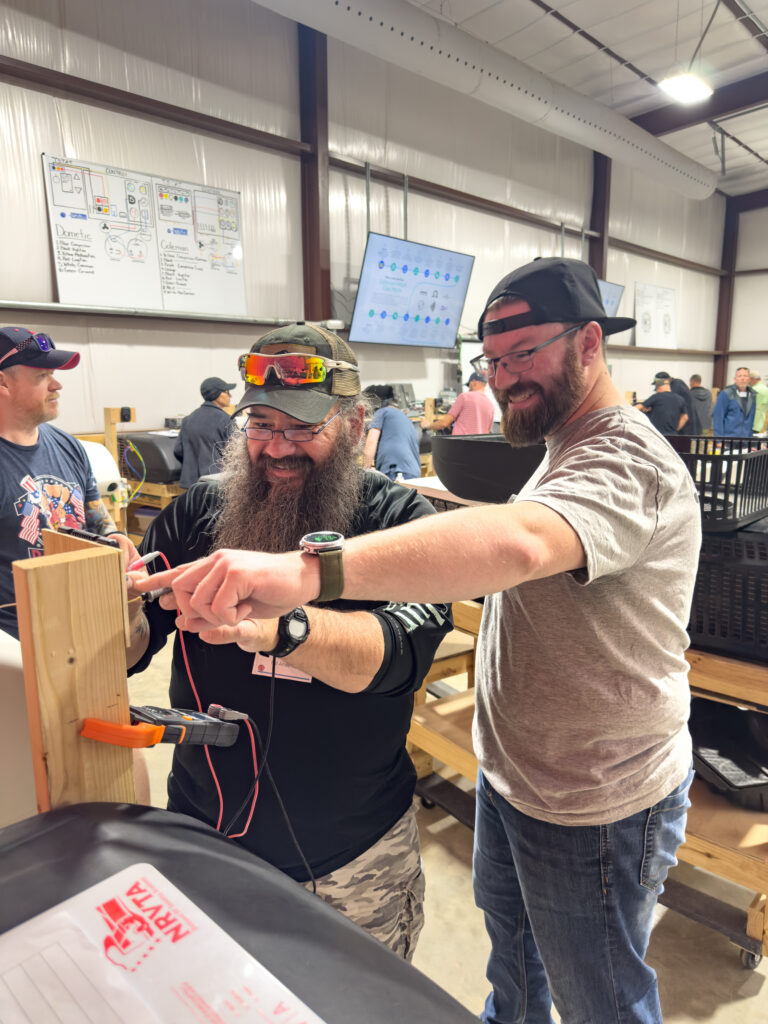
- Electrical safety
- DC electrical systems
- AC electrical systems
- Battery systems
- Converters
- Inverters
- Circuit protection
- Wiring diagnostics
- Voltage testing
- Continuity testing
Because many RV systems rely on electrical power, a strong understanding of electrical fundamentals helps technicians troubleshoot a wide variety of issues.
RV Propane Systems
Propane powers several essential RV appliances.
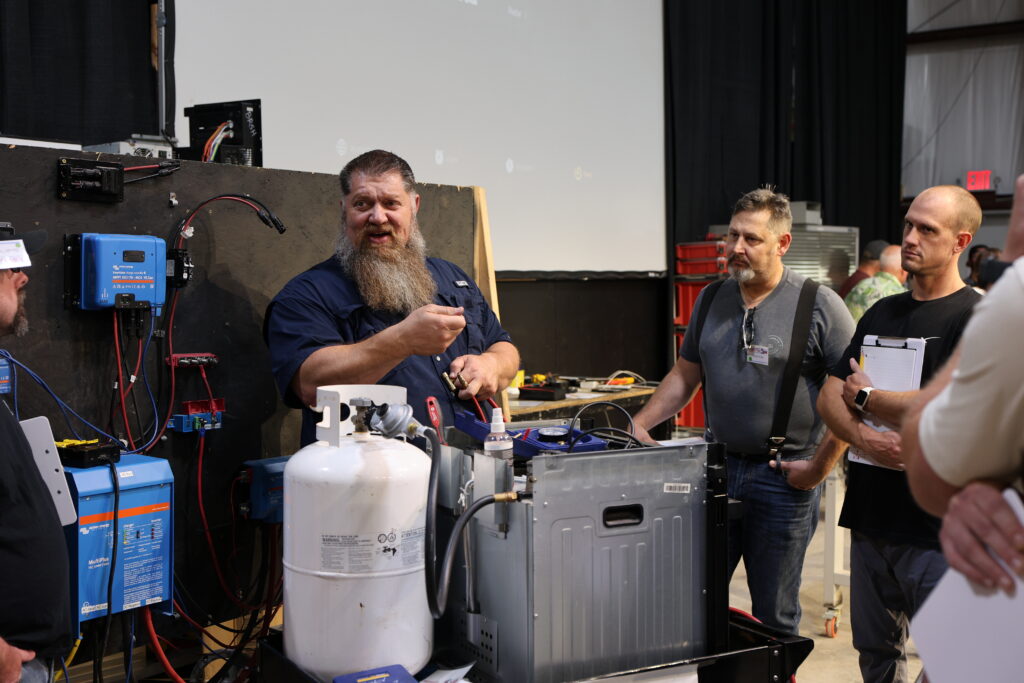
Training often covers:
- Propane safety
- System components
- Regulators
- Leak testing
- Appliance operation
- Troubleshooting procedures
Understanding propane systems is important not only for functionality but also for safety.
RV Plumbing Systems
Water systems may appear straightforward, but they often involve multiple interconnected components.
Students commonly learn about:
- Freshwater systems
- Water pumps
- Water distribution
- Wastewater systems
- Leak detection
- Winterization procedures
- System diagnostics
Water damage can become expensive quickly, making plumbing knowledge valuable for technicians and RV owners alike.


Get Registered Today!
Talk to a student advisor to learn more!