LEARN and EARN!
Get your RV Technician Certification in as little as 5 weeks!
Modern RVs are more advanced than many people realize. Behind the walls and underneath the compartments are interconnected electrical, propane, plumbing, HVAC, and appliance systems that must work together safely and reliably.
As RV ownership continues to grow, so does the demand for people who understand how these systems operate, how to troubleshoot problems, and how to perform repairs correctly.
That’s where RV systems training becomes important.
Whether you’re exploring a career as an RV technician, planning to start a mobile RV service business, or simply want to better understand your own RV, structured RV systems training can provide the foundational knowledge and hands-on experience needed to work confidently around today’s RVs.
What Is RV Systems Training?
RV systems training focuses on teaching the core systems found in modern recreational vehicles, including:
- DC electrical systems
- AC electrical systems
- Propane systems
- Plumbing systems
- RV refrigerators
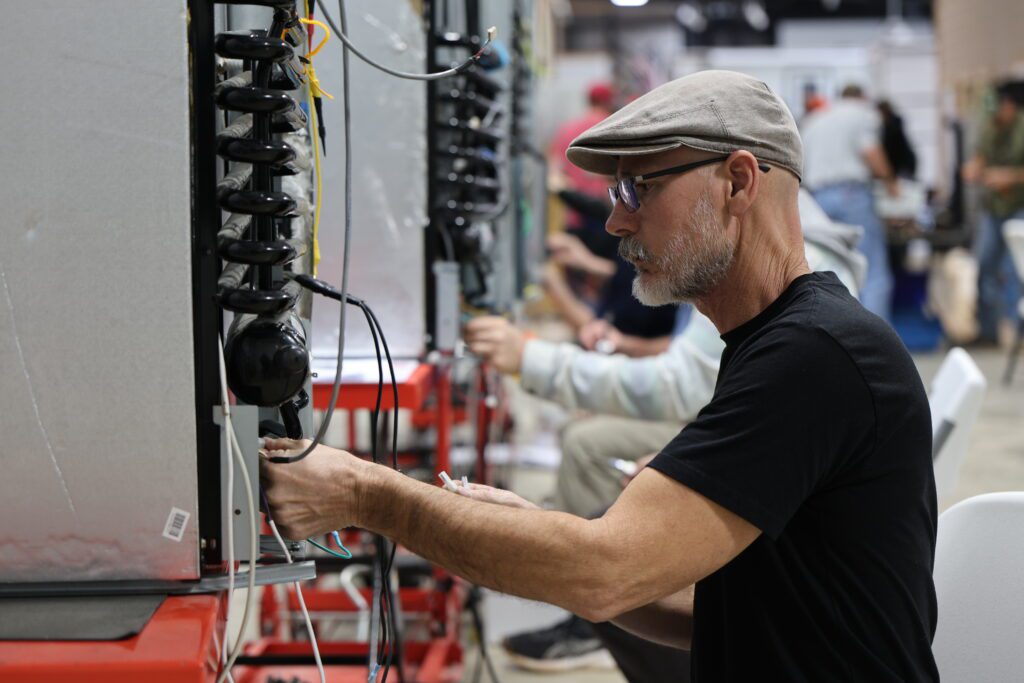
- Air conditioners and heat pumps
- Water heaters and furnaces
- Exterior systems and slide mechanisms
- Generator and solar systems
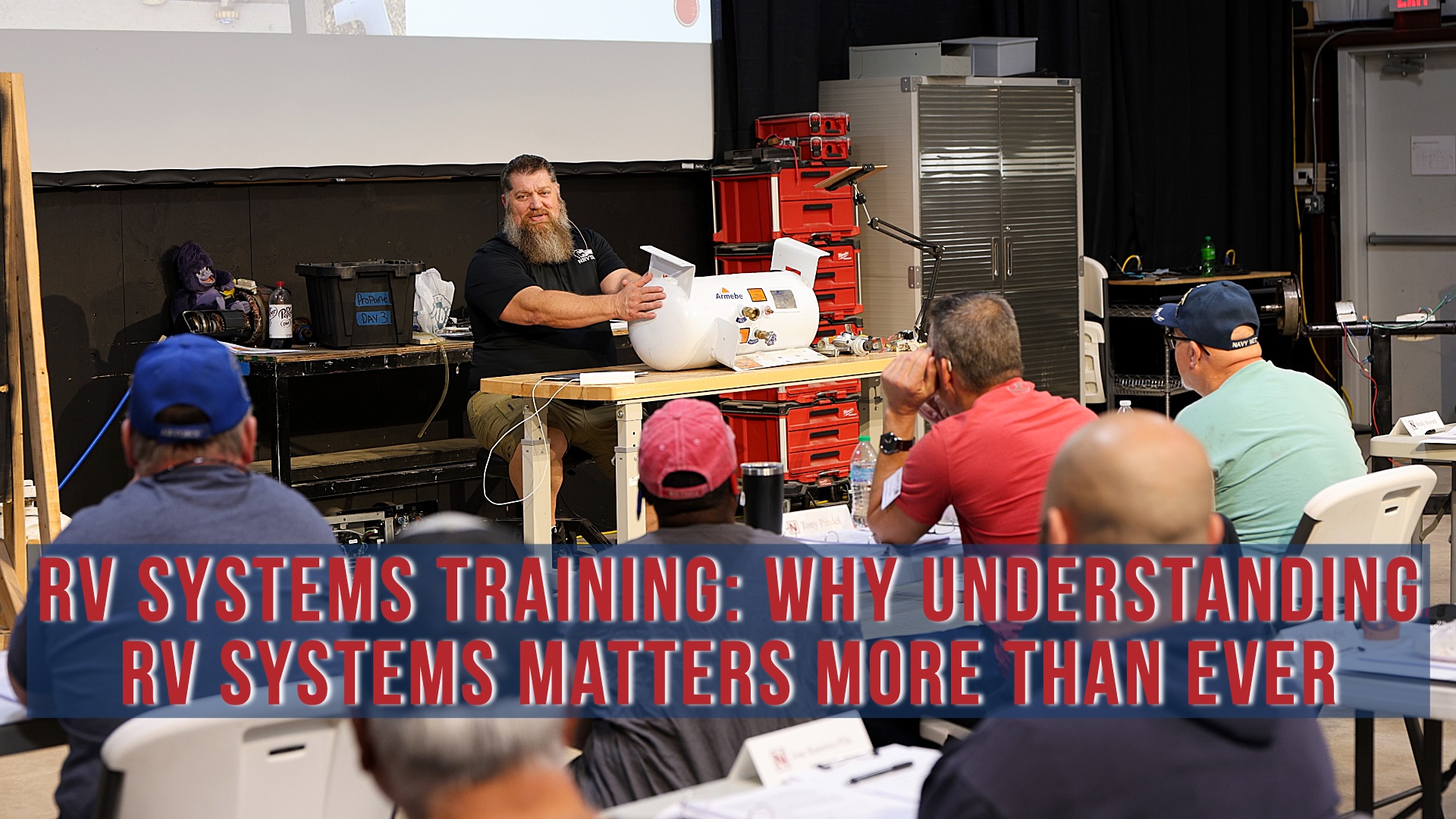
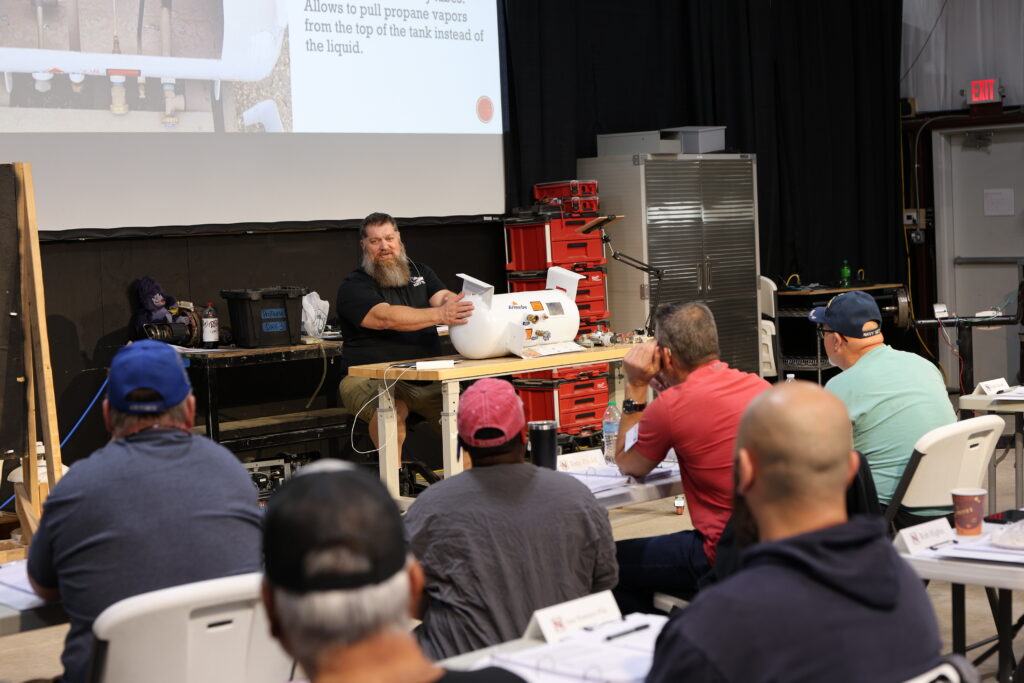
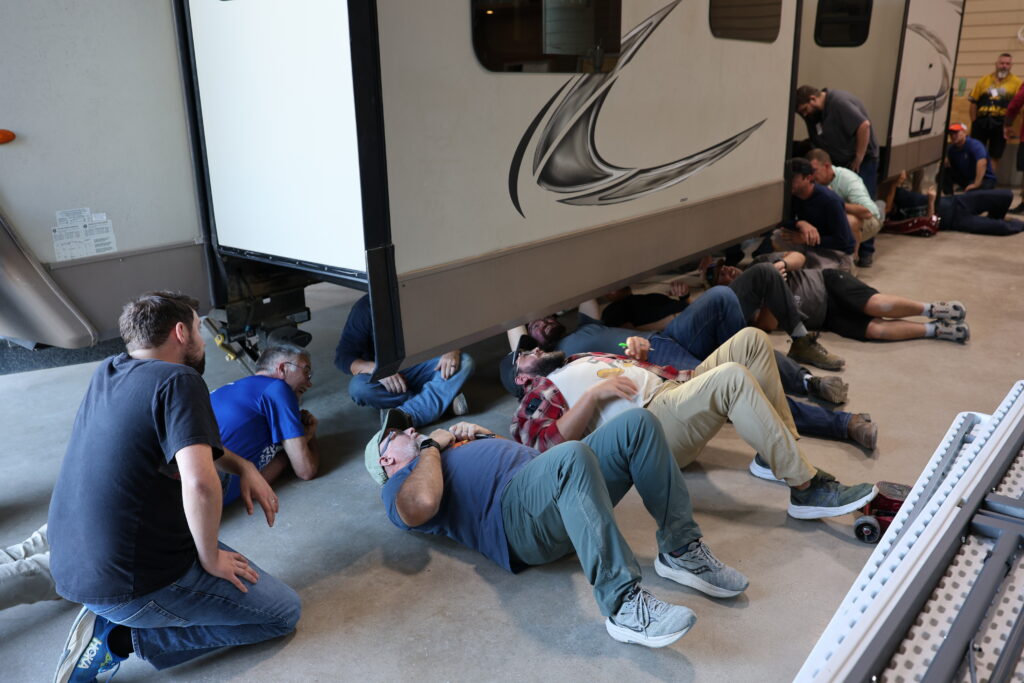
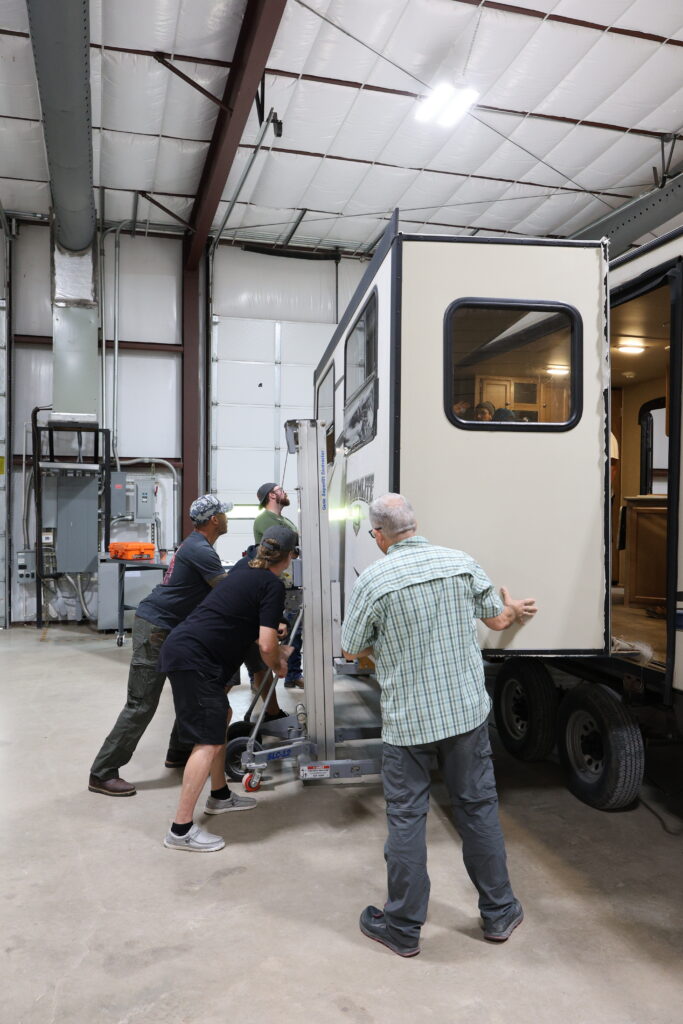
At the National RV Training Academy (NRVTA), students learn through a combination of classroom instruction and hands-on labs designed to mirror real-world RV service conditions. The curriculum includes practical troubleshooting exercises and system diagnostics to help students understand how RV systems function together.
Why Hands-On RV Systems Training Matters
Watching videos online can help introduce concepts, but diagnosing real RV problems often requires hands-on experience with actual equipment.
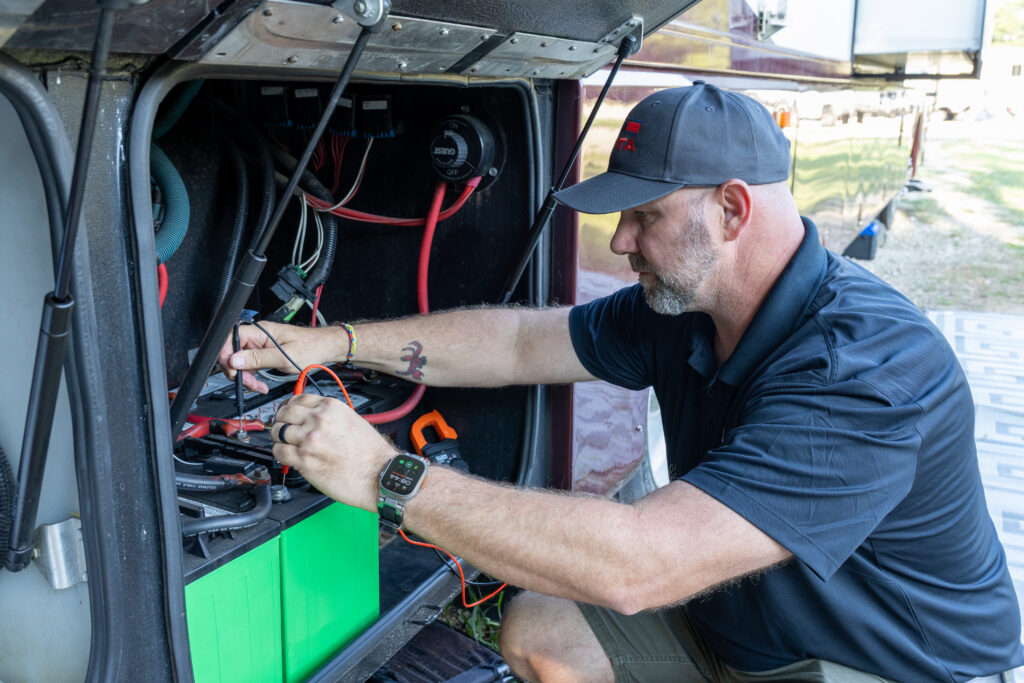
For example, learning how to read a wiring diagram is different from tracing voltage on a live RV electrical system. Understanding propane safety procedures is different from physically testing components and troubleshooting ignition sequences.
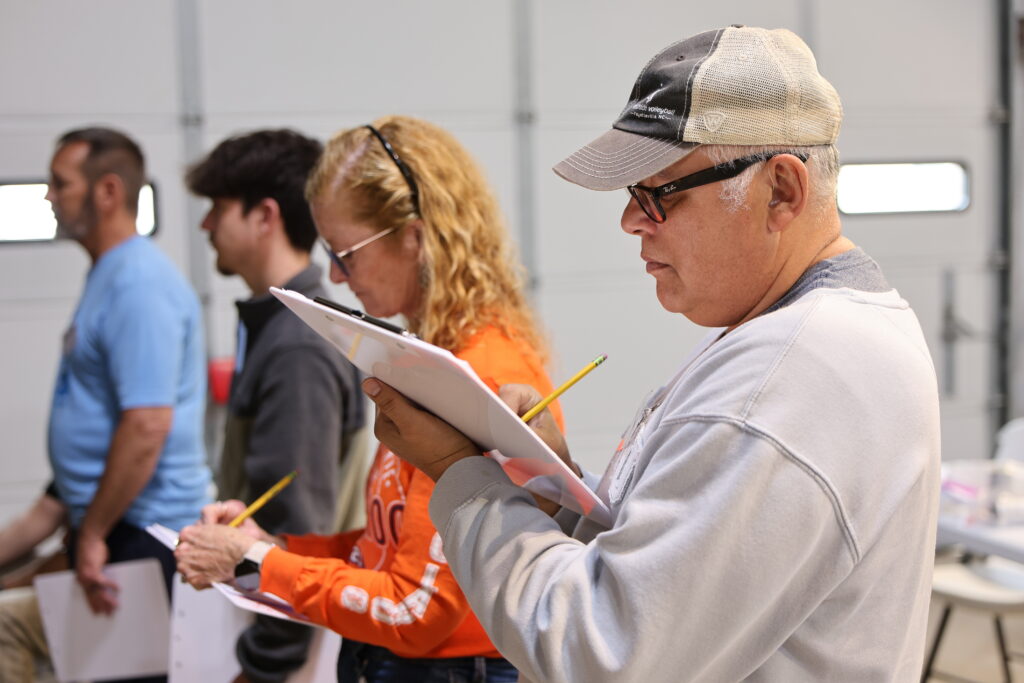
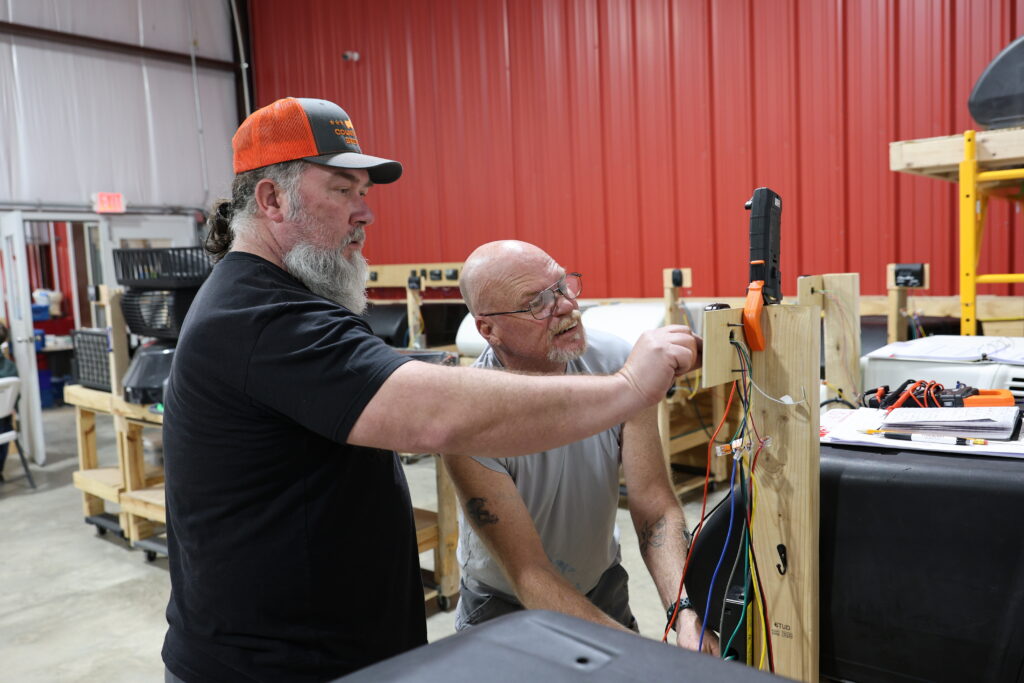
That’s why many students look for RV systems training programs that include:
- Live troubleshooting exercises
- Instructor-guided diagnostics
- Access to working RV equipment
- Real-world repair scenarios
- Structured system-by-system learning
NRVTA’s training programs include hands-on labs across multiple RV systems, allowing students to practice assessment, troubleshooting, and repair procedures in a controlled learning environment.
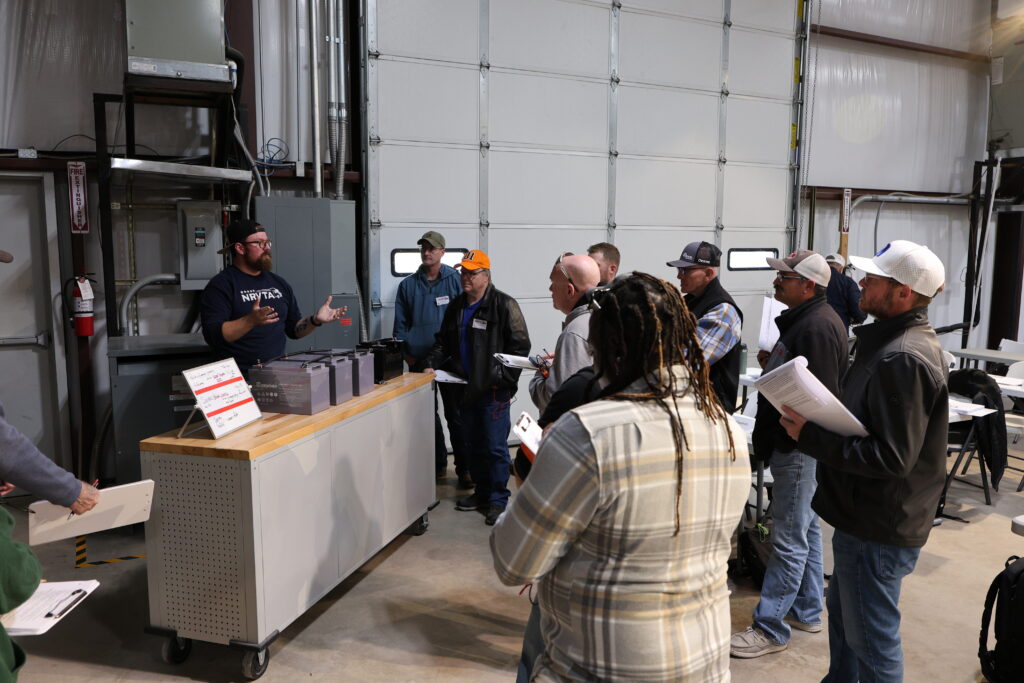
What Students Learn in RV Systems Training
A quality RV systems training program should help students build both technical knowledge and practical troubleshooting skills.
At NRVTA, students in the RV Fundamentals Training course learn to assess and troubleshoot key RV systems including:
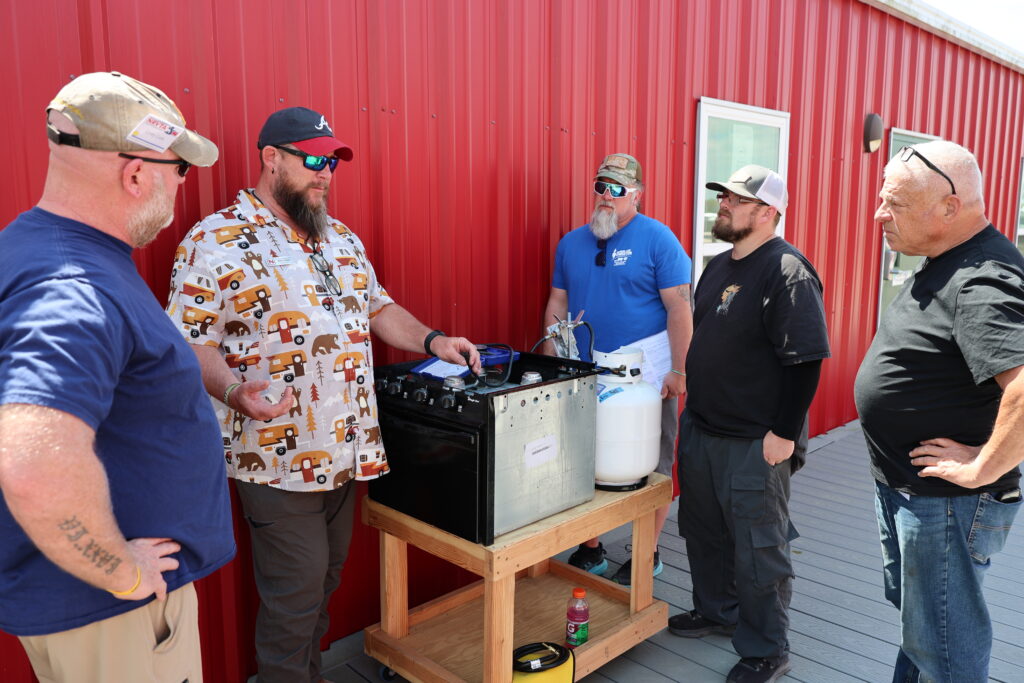
- DC electrical systems
- AC electrical systems
- Propane systems
- Plumbing systems
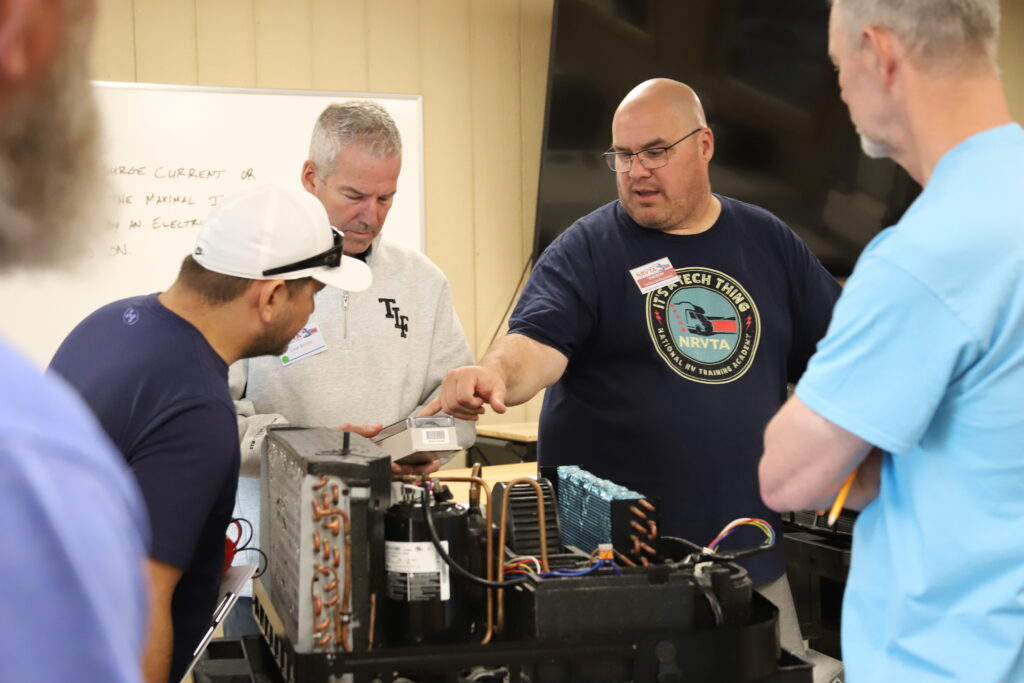
- RV refrigerators
- Air conditioners
- Water heaters
- Furnaces
The RV Fundamentals Training course includes both lecture and hands-on lab hours.
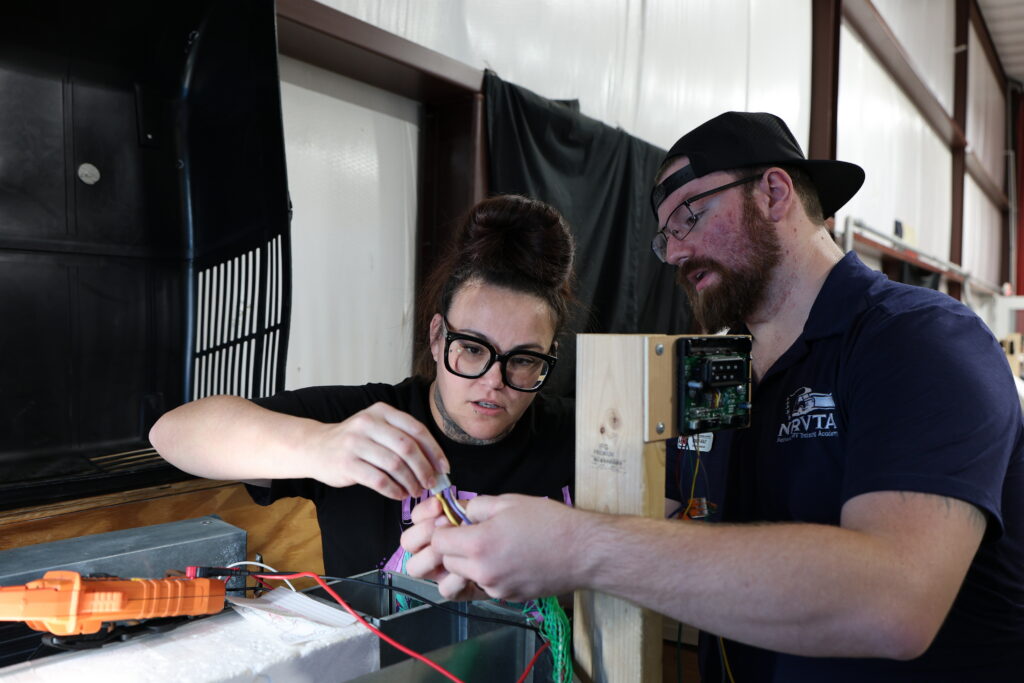
Advanced training programs may also include specialized instruction in:
- RV air conditioners and heat pumps
- RV absorption refrigerators
- Water heaters and furnaces
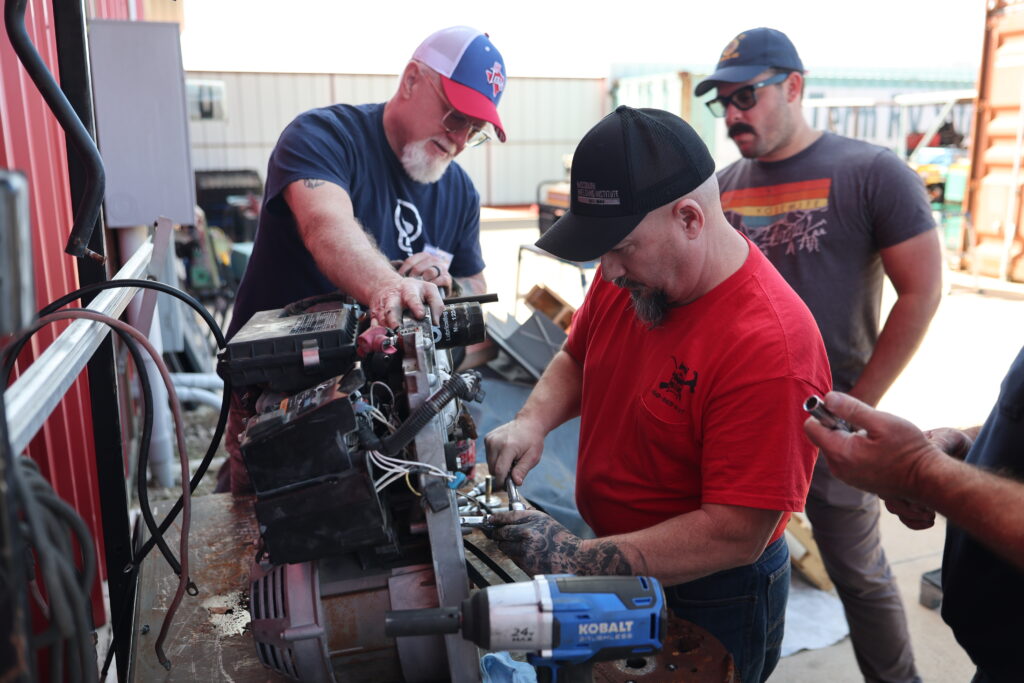
- RV exterior systems
- Generators
- Solar systems
These advanced courses are designed to expand diagnostic and troubleshooting capabilities across increasingly complex RV systems.
Who Benefits From RV Systems Training?
RV systems training can benefit several types of students, including:
Career Switchers
Many students entering RV technical training come from previous careers in construction, transportation, manufacturing, aviation, maintenance, or military service backgrounds. They are often looking for a practical, skill-based training path connected to the growing RV industry.
Mobile RV Service Professionals
Some students pursue RV systems training to build or expand a mobile RV repair business. Understanding how RV systems interact can help technicians troubleshoot issues more efficiently and serve customers more confidently.
RV Owners
Not every student plans to become a professional technician. Some RV owners enroll simply to better understand their RV, improve maintenance knowledge, and become more self-sufficient while traveling.
The Importance of Structured Training
Because RVs combine multiple residential, automotive, and mobile utility systems into one platform, structured training can help students build knowledge progressively instead of trying to piece information together from scattered sources.
NRVTA’s programs are organized by system categories and training levels, allowing students to build foundational knowledge before advancing into more specialized troubleshooting instruction.
The academy’s facilities include classrooms, RV service bays, and hands-on lab environments designed to support practical technical education.
RV Systems Continue to Evolve
Today’s RVs often include:
- Multiplex electrical systems
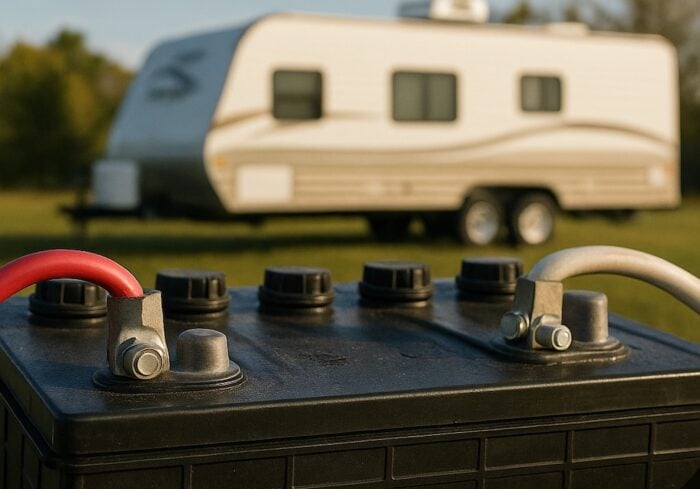
- Lithium battery banks
- Inverter systems
- Solar charging systems
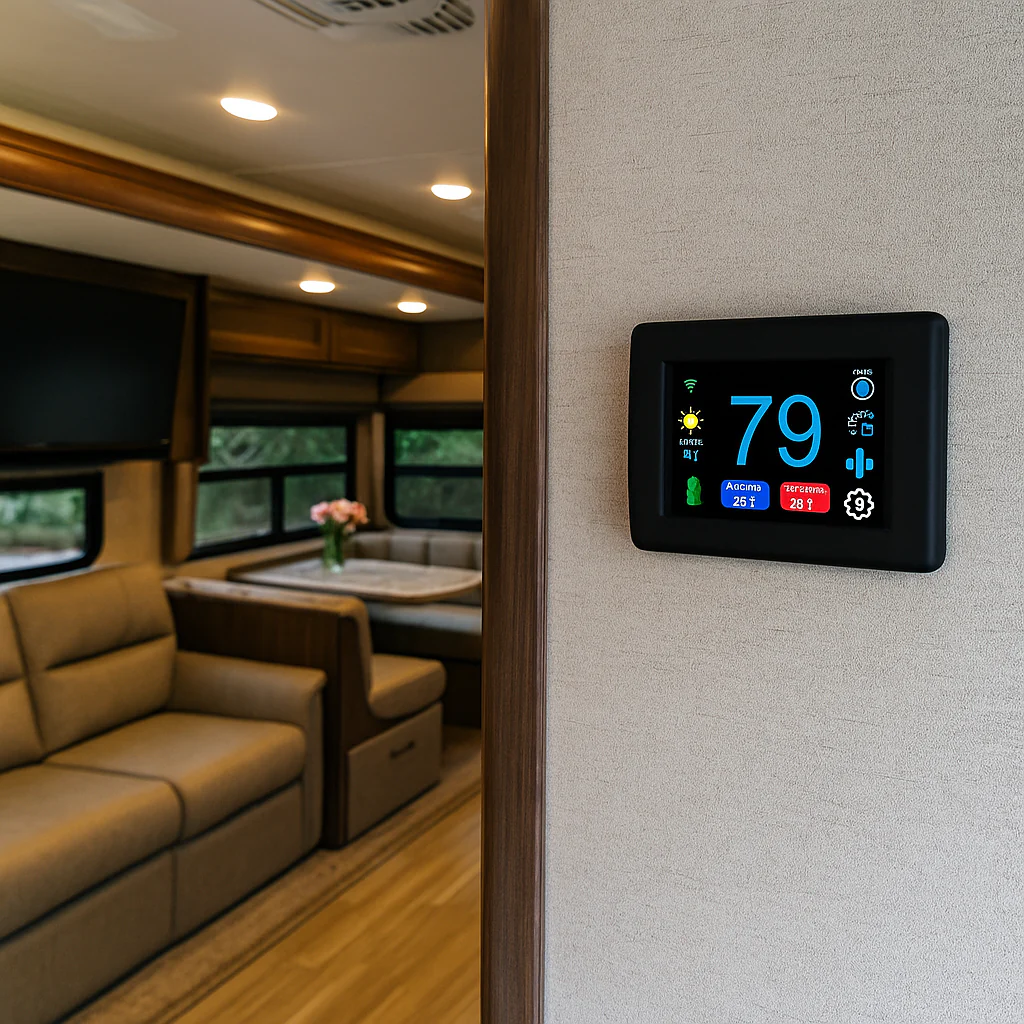
- Smart climate controls
- Advanced leveling systems
- Integrated electronics
As these technologies evolve, the need for trained RV technicians and knowledgeable service professionals continues to grow.
Training that combines foundational system knowledge with hands-on troubleshooting practice can help students adapt to newer RV technologies with greater confidence.
Exploring RV Systems Training at NRVTA
The National RV Training Academy offers multiple RV technical training programs ranging from foundational systems instruction to advanced technician training. Programs include classroom instruction and hands-on lab training designed to help students develop practical troubleshooting skills.
NRVTA provides training that prepares students to pursue industry certification opportunities through organizations such as the Recreational Vehicle Technicians Association of America (RVTAA), where applicable.
Students interested in learning more about RV systems training can explore course pathways, program descriptions, and training schedules through NRVTA.
Final Thoughts
RV systems training is about more than memorizing parts or procedures. It’s about learning how complex RV systems operate together, how to troubleshoot problems safely, and how to build practical confidence through real-world experience.
Whether your goal is professional development, technical skill building, or becoming more knowledgeable about your own RV, structured hands-on training can provide a strong foundation for understanding today’s RV systems.


Get Registered Today!
Talk to a student advisor to learn more!