LEARN and EARN!
Get your RV Technician Certification in as little as 5 weeks!

RVs Are More Complex Than Most People Realize
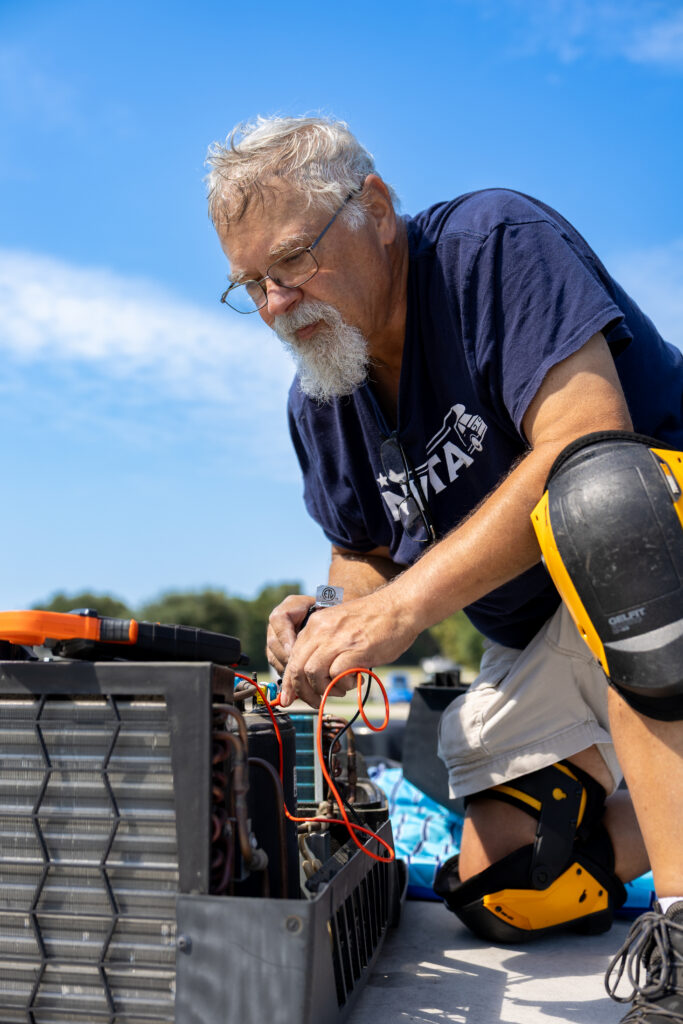
An RV is far more than just a vehicle. It’s a home on wheels that combines electrical systems, plumbing, propane, heating and cooling equipment, refrigeration, structural components, slide-outs, leveling systems, appliances, batteries, and safety equipment into one integrated package. When something goes wrong, diagnosing and repairing the issue often requires specialized knowledge that goes beyond traditional automotive repair.
That’s where RVTAA certification plays an important role.
The Recreational Vehicle Technician Association of America (RVTAA) is the professional organization that provides credentialing for RV service technicians. Its certification program helps identify technicians who have demonstrated knowledge of RV diagnostic and repair procedures, giving both technicians and RV owners greater confidence in the quality of service being provided.
For technicians, certification is a way to validate their skills and professionalism. For RV owners, it provides an additional measure of confidence when choosing someone to work on one of their largest investments.
What Is RVTAA Certification?
RVTAA certification is a professional credential designed specifically for RV service technicians. Rather than focusing on automobiles or heavy equipment, RVTAA credentials recognize knowledge and competency in the unique systems found in recreational vehicles.
The certification pathway includes multiple levels of professional achievement, including Registered RV Service Technician, Certified RV Service Technician, and Master Certified RV Service Technician credentials.
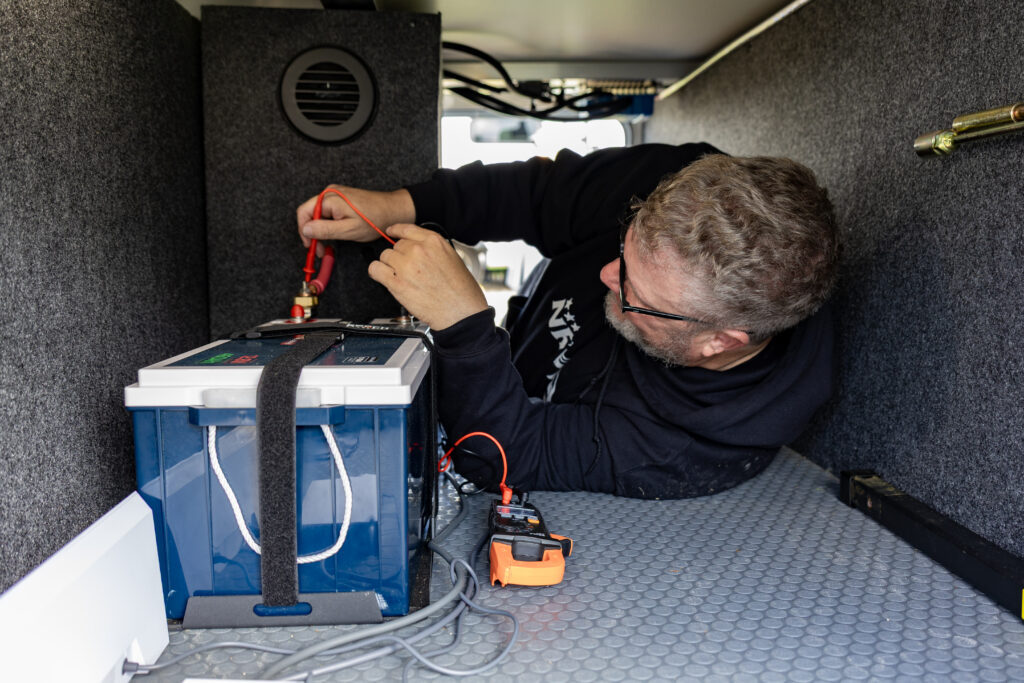
According to the National RV Training Academy (NRVTA) Course Catalog, the Registered RV Service Technician examination evaluates knowledge in core subject areas including propane systems, electrical systems, plumbing, fire and life safety, weight distribution, and other technical skills aligned with RV industry standards. Students who complete appropriate training may prepare to pursue this credential through RVTAA. The Certified RV Service Technician credential represents the next level of technical assessment, while the Master credential recognizes advanced professional accomplishment within the RV service industry.
It is important to understand that NRVTA provides education and hands-on training designed to prepare students for RVTAA certification, but RVTAA is the organization that awards the certification itself.

Why RVTAA Certification Matters
Unlike many mechanical trades, RV service requires technicians to understand multiple disciplines at once. A single service call may involve electrical troubleshooting, propane diagnostics, plumbing repairs, HVAC systems, appliance operation, structural components, and customer education.
Because of this complexity, RV owners often have difficulty determining whether someone advertising RV repair services possesses the knowledge necessary to diagnose problems accurately and safely.
RVTAA certification helps bridge that gap by providing an industry-recognized credential that demonstrates a technician has pursued professional standards specific to recreational vehicles.
Benefits for RV Technicians
Professional Credibility
One of the greatest advantages of RVTAA certification is the credibility it provides. Customers frequently need to hire someone they have never met, particularly when traveling or dealing with mobile service providers. A recognized certification immediately communicates a commitment to professionalism and continuing education.
Career Development
The RVTAA credentialing pathway encourages technicians to continue developing their knowledge throughout their careers. Progressing through Registered, Certified, and Master certification levels provides clear milestones that reward learning and professional growth while demonstrating increasing expertise to customers and employers.
Increased Customer Confidence
Many RV owners specifically seek technicians who have invested in formal education and credentialing. Certification gives technicians a meaningful way to distinguish themselves from competitors who rely solely on informal experience.
Commitment to Industry Standards
Certification demonstrates that a technician has pursued knowledge aligned with established RV service competencies rather than relying exclusively on trial-and-error learning. This commitment benefits both the technician and the customers they serve.
Why Hands-On Training Matters
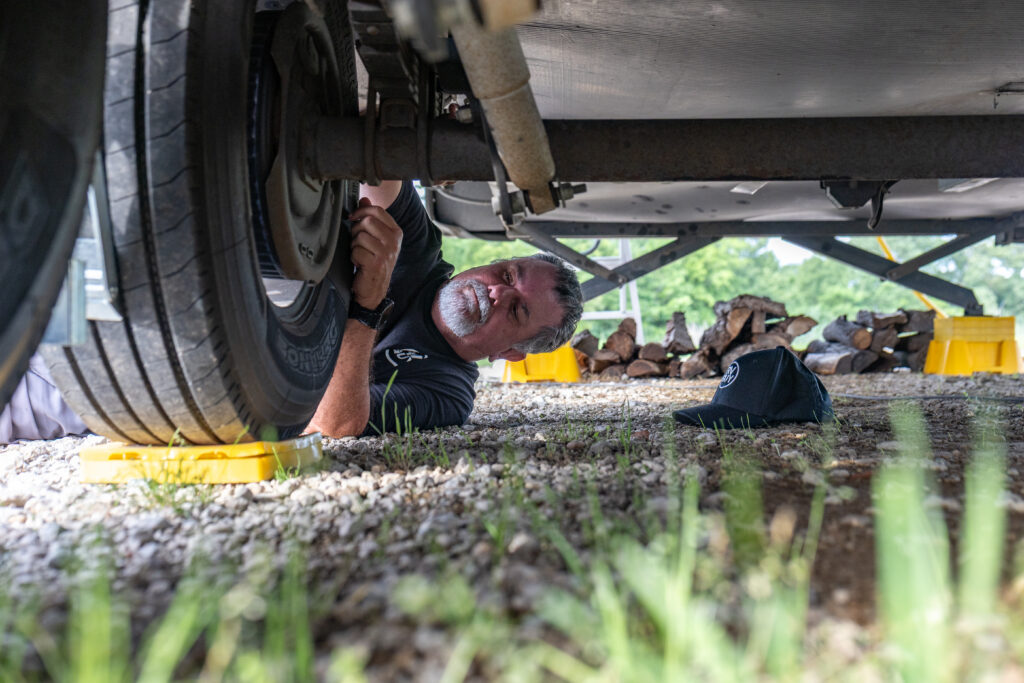
Passing an exam is only part of becoming an effective RV technician. Real-world troubleshooting requires practical experience working with live systems and actual equipment.
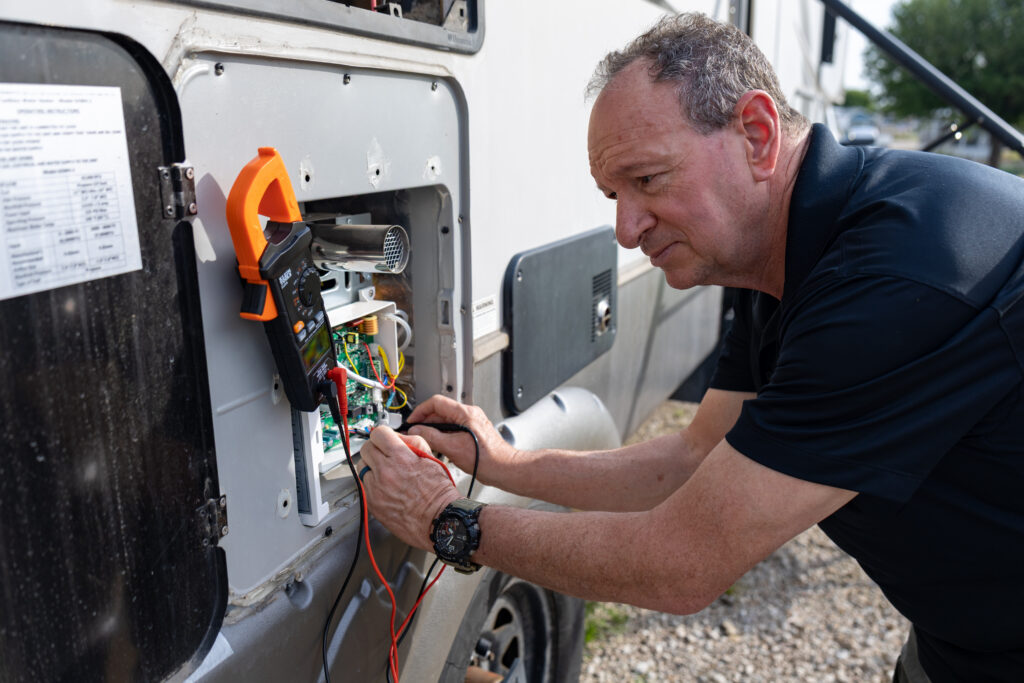
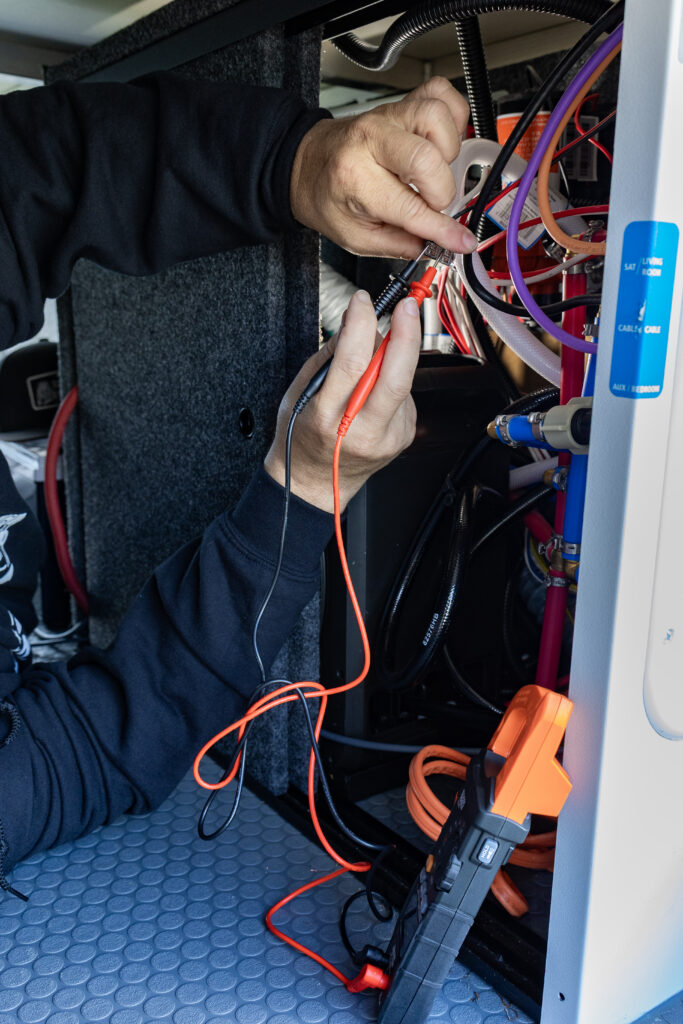
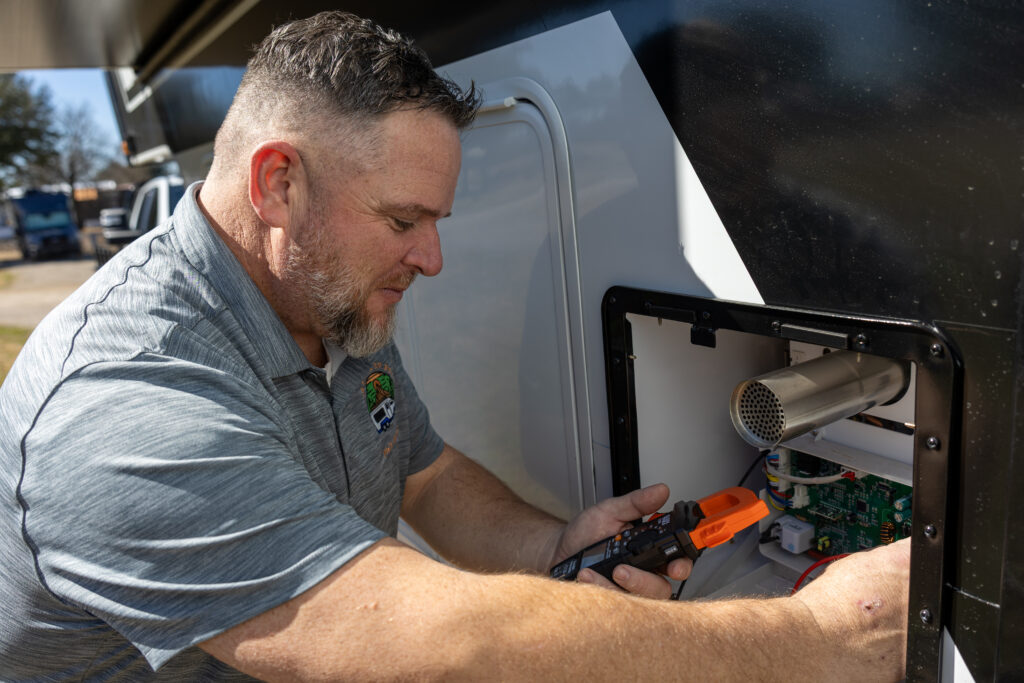
NRVTA’s RV Service Technician curriculum combines classroom instruction with hands-on laboratory training covering major RV systems, including:
- DC electrical systems
- AC electrical systems
- Propane systems
- Plumbing systems
- Refrigeration
- Air conditioning
- Water heaters
- Furnaces
The Advanced RV Service Technician program expands on these fundamentals with extensive troubleshooting and diagnostics across multiple RV systems, helping prepare students who wish to pursue higher levels of RVTAA certification.
Hands-on education helps technicians understand not only how components work individually but also how failures in one system can affect another.
Why RV Owners Should Care About Certification
For RV owners, certification represents an additional level of confidence when selecting a service provider.
Most owners cannot easily verify whether a diagnosis is accurate or whether repairs are being performed according to accepted industry practices. A certified technician has demonstrated a commitment to learning RV-specific systems and pursuing recognized professional credentials.
While certification does not guarantee perfection, it can provide valuable reassurance that the technician has invested in specialized education and professional development.
Safety Is a Major Consideration
RVs combine multiple systems that require careful handling, including:
- Propane distribution
- High- and low-voltage electrical systems
- Combustion appliances
- Heating equipment
- Water systems
- Structural components
- Weight distribution considerations
Improper diagnosis or repair can create safety hazards that extend beyond inconvenience. Certification emphasizes understanding these systems and the importance of proper diagnostic procedures.
For RV owners, choosing a credentialed technician can contribute to greater peace of mind when dealing with critical systems.
Certification Builds Trust
Trust is one of the most valuable assets in the RV service industry.
Owners frequently rely on technicians while traveling, during vacations, or when facing unexpected breakdowns. In many cases, they must make decisions based on limited information and online research.
An RVTAA credential provides an objective indicator that the technician has pursued professional standards recognized within the RV service community.
Combined with experience, communication skills, insurance, and positive customer reviews, certification can help establish the trust necessary for long-term customer relationships.
What RVTAA Certification Does Not Mean
Although certification is valuable, it should be understood within its proper context.
Certification does not guarantee:
- Employment opportunities
- Income levels
- Perfect repairs
- Expertise in every RV brand or component
- Compliance with local licensing requirements where applicable
Instead, certification should be viewed as evidence that a technician has pursued specialized RV knowledge and demonstrated competency through an established credentialing process.
How NRVTA Fits Into the Certification Pathway
The National RV Training Academy was established to provide practical, hands-on RV technical education. Its programs combine classroom learning with laboratory instruction to help students develop diagnostic and repair skills relevant to today’s RV industry.
NRVTA offers RV Service Technician and Advanced RV Service Technician programs that include curriculum designed to prepare students for RVTAA credentialing exams. These programs focus on building technical knowledge, troubleshooting ability, and practical experience across major RV systems.
Importantly, NRVTA does not issue RVTAA certifications. Rather, it provides education and exam preparation that supports students who choose to pursue RVTAA credentials.
Benefits for Mobile RV Technicians
Mobile RV service continues to grow as many owners prefer repairs performed at campgrounds, storage facilities, or their homes rather than transporting their RV to a dealership.
For mobile technicians, certification can provide an important competitive advantage by demonstrating professionalism before the first service call even begins.
Customers often have little information available when selecting a mobile provider. Displaying RVTAA credentials can help establish confidence and reinforce a technician’s commitment to quality service.
Benefits for Dealerships and Service Centers
Dealerships and repair facilities also benefit from employing credentialed technicians.
Complex repair orders frequently involve multiple interconnected systems. A technician who understands RV-specific diagnostics can communicate more effectively with service advisors, document repairs more thoroughly, and provide clearer explanations to customers.
Certification supports consistency and professionalism across the service experience.
Protecting the RV Owner’s Investment
For many families, an RV represents one of their largest financial investments.
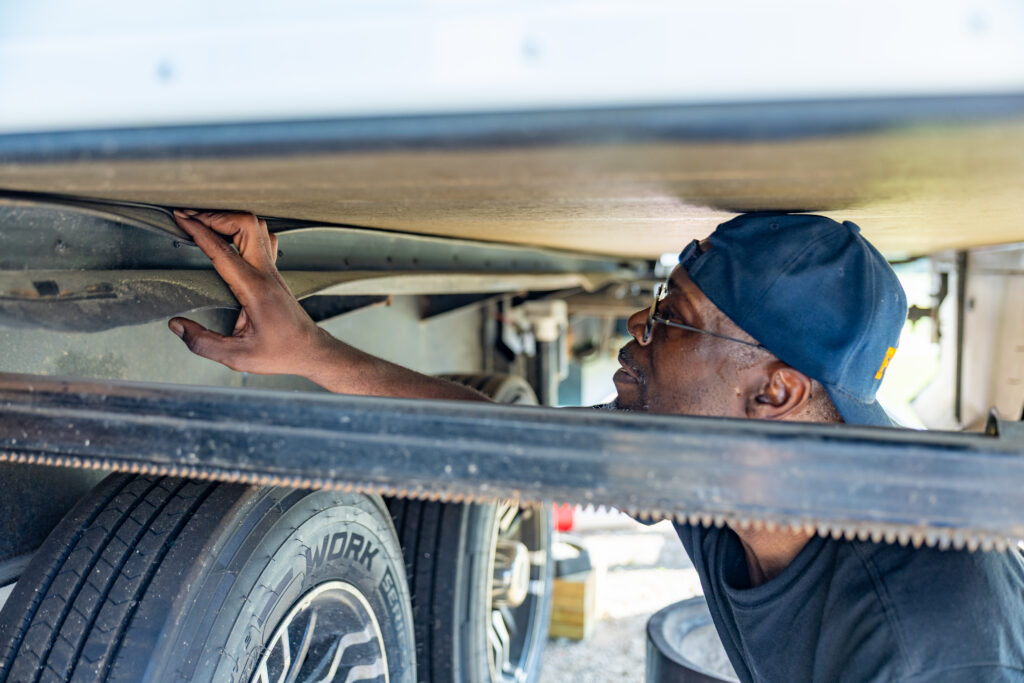
Water intrusion, electrical failures, appliance malfunctions, and structural problems can become increasingly expensive if left unresolved or improperly repaired.
Working with a technician who has pursued RVTAA certification may help owners feel more confident that repairs are being approached with specialized knowledge of RV systems rather than general mechanical experience alone.
Building a Professional Identity

Certification is also about professional pride.
Technicians who pursue RVTAA credentials demonstrate a commitment to continuous improvement and lifelong learning. The credential signals dedication not only to technical ability but also to ethical business practices and customer service.
As RV technology evolves—with advanced electronics, lithium battery systems, solar installations, multiplex wiring, and increasingly sophisticated appliances—ongoing education becomes even more important.
The Future of RV Service
Today’s RVs are significantly more advanced than those built just a decade ago. Integrated electronics, inverter systems, energy management technology, and modern climate control systems require technicians to continue learning throughout their careers.
The RVTAA certification pathway encourages that ongoing professional development, helping technicians remain current as technology changes and consumer expectations continue to rise.
Choosing the Right RV Technician
When selecting an RV technician, owners should consider several factors:
- Whether the technician holds an RVTAA credential
- Experience with the specific system requiring repair
- Professional communication and transparency
- Written estimates and documentation
- Appropriate business insurance
- Customer reviews and reputation
Certification should be viewed as one important indicator among many, helping owners make informed decisions about who services their RV.
Ethical Marketing of Certification
Technicians should accurately describe their credentials without exaggeration.
Appropriate statements include:
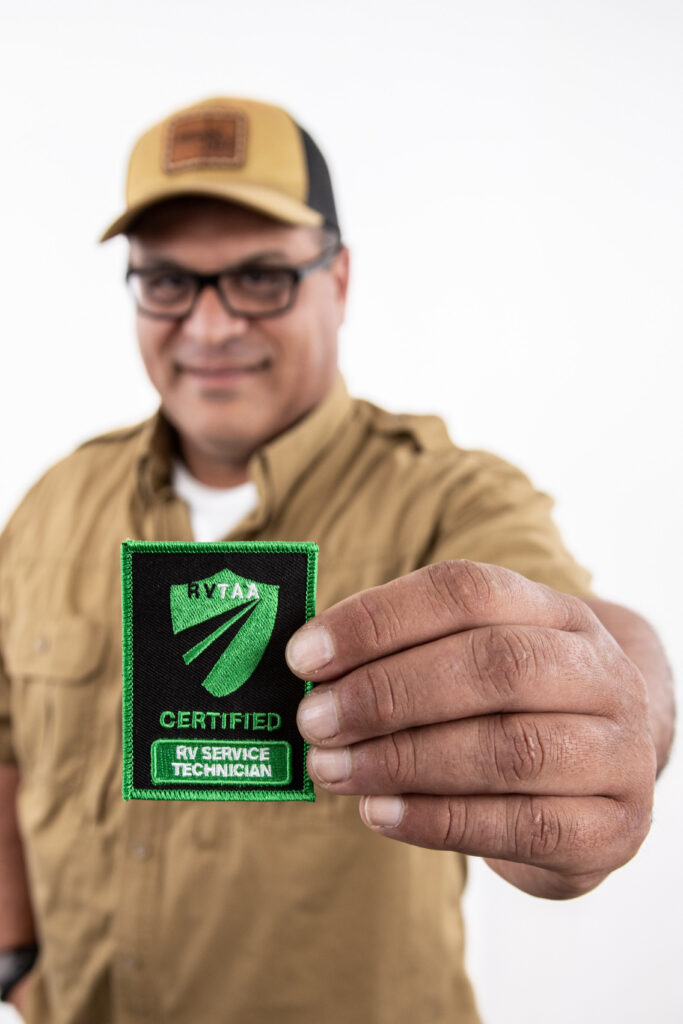
- “I am an RVTAA Registered RV Service Technician.”
- “I am an RVTAA Certified RV Service Technician.”
- “I am an RVTAA Master Certified RV Service Technician.”
- “I completed training designed to help prepare for RVTAA certification.”
Claims implying guaranteed outcomes, guaranteed income, or universal expertise should be avoided. Honest representation strengthens trust and reflects positively on the profession.
Why RVTAA Certification Benefits the Entire Industry
When technicians pursue recognized credentials, everyone benefits.
RV owners gain confidence in the people servicing their coaches. Service businesses can distinguish themselves through professionalism and accountability. The industry benefits from higher technical standards, better customer experiences, and increased trust.
Certification is more than a credential—it is a commitment to excellence, continuing education, and responsible service.
Final Thoughts
RVTAA certification plays an important role in raising professional standards within the RV service industry. It provides technicians with a respected credential that demonstrates dedication to specialized RV knowledge while giving RV owners an additional tool for evaluating service providers.
For technicians, certification can strengthen credibility, support career growth, and reinforce a commitment to ongoing learning. For RV owners, it offers greater confidence that the person servicing their RV has pursued industry-recognized training and professional development.
NRVTA supports this pathway by providing comprehensive hands-on education designed to prepare students to pursue RVTAA certification. By combining practical experience with structured learning, technicians can build the skills needed to diagnose, repair, and maintain today’s increasingly sophisticated recreational vehicles.
As RV technology continues to evolve, the value of knowledgeable, well-trained, and professionally credentialed technicians will only continue to grow—making RVTAA certification an investment not only in individual careers but in the future of the RV industry itself.


Get Registered Today!
Talk to a student advisor to learn more!