LEARN and EARN!
Get your RV Technician Certification in as little as 5 weeks!
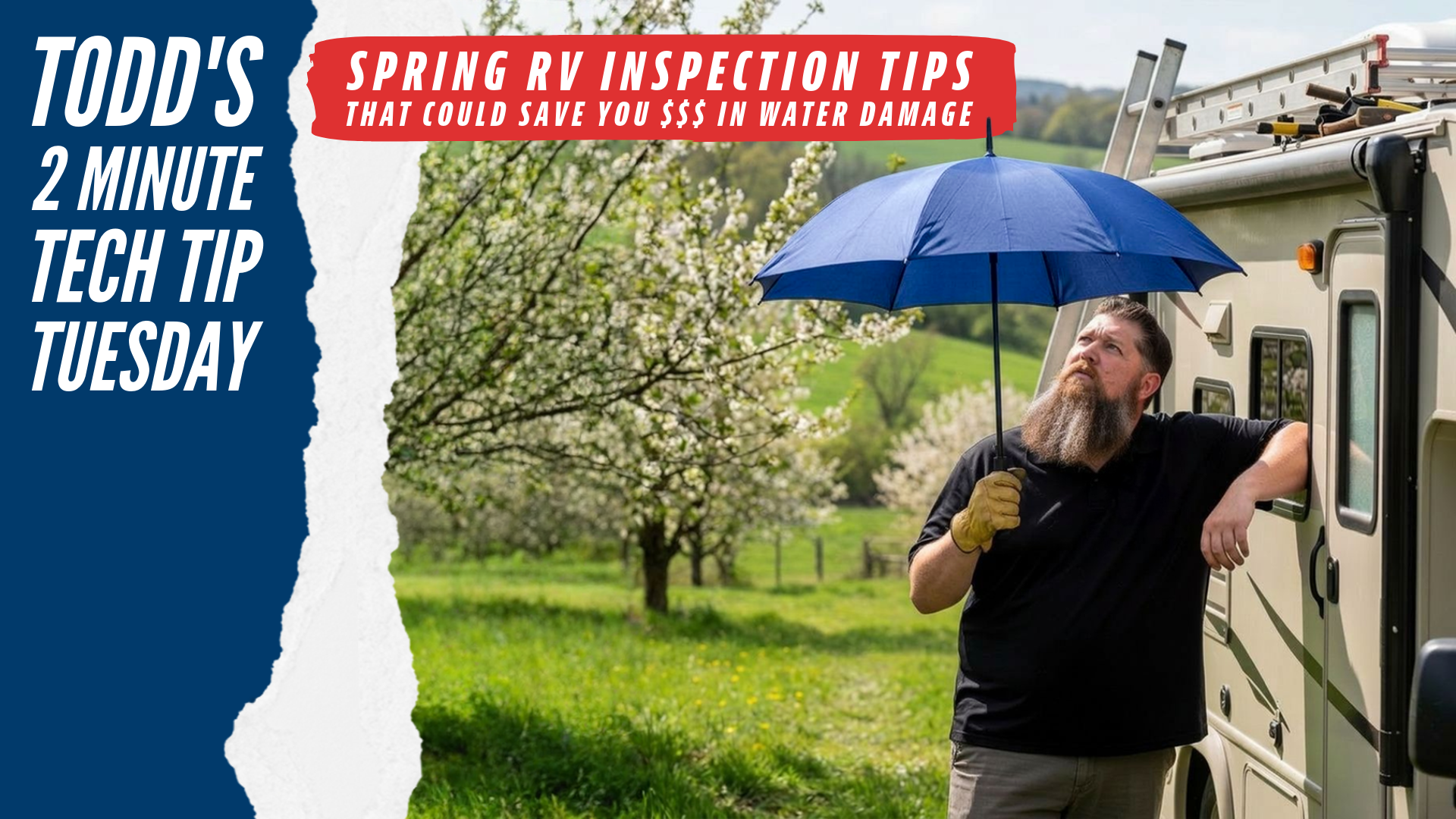
As winter comes to an end and temperatures begin to rise, many RV owners start preparing for the travel season. If your RV has been sitting in storage or parked outside for months, now is the time to take a closer look at one of the most common and expensive problems in the industry: water intrusion.
Water damage is not always obvious. In fact, the most dangerous type is the slow leak. By the time you notice it, the damage has often already spread. That is why a thorough inspection before spring travel is one of the most important steps you can take as an RV owner.
Start With the Roof Inspection
Your first step should always be the roof. Climb up carefully and inspect the entire surface on your hands and knees. This position helps distribute your weight and reduces the risk of damaging the structure.
Focus on the sealant areas. You are not looking for major gaps. Instead, look closely for tiny holes or small imperfections that could allow water to enter over time. Even a small opening can lead to significant damage if left untreated.
If you do find areas that need attention, it may be time to contact a certified RV technician who can properly reseal the roof and prevent future issues.
Check Your Seals and Slide Areas
After inspecting the roof, move on to your slide outs and seals. These are common entry points for water, especially if they have been sitting closed for an extended period.
When your slides are closed, check to ensure the seals make full contact all the way around. Any gaps can allow water to seep inside. If the slides are open, inspect the sides carefully for any signs of moisture or staining.
Keep in mind that water does not always appear where the leak begins. It often travels before it becomes visible, which makes a detailed inspection even more important.
Inspect the Interior for Warning Signs
Once you have checked the exterior, head inside your RV. Look closely around slide openings, walls, and ceilings for any signs of water intrusion.
Discoloration, soft spots, or unusual textures can all indicate hidden damage. Even if the source is not immediately visible, these signs should not be ignored.
Catching these issues early can save you thousands in repairs and help extend the life of your RV.
Practice Safe Roof Inspection Techniques
Safety matters just as much as maintenance. If your RV does not have a ladder or is built with lightweight materials, take extra precautions before climbing on the roof.
Use a small piece of plywood to help distribute your weight and reduce pressure on any single point. Staying on your hands and knees also helps protect both you and your RV during the inspection process.
These simple steps can make a big difference in preventing accidental damage while you perform routine checks.
Why This Inspection Matters
Taking the time to inspect your RV before the travel season begins can prevent major problems down the road. Water intrusion is one of the leading causes of expensive repairs, and most of it starts with small issues that go unnoticed.
By learning how to identify these early warning signs, you not only protect your investment but also gain confidence in maintaining your RV.
If you want to go further and truly understand how to diagnose and repair these issues yourself, consider exploring RV technician training. Gaining hands-on knowledge can help you avoid costly mistakes and even open the door to new opportunities in the RV industry.



Get Registered Today!
Talk to a student advisor to learn more!